

Disclosure: As an Amazon Associate, Bookish Wisdom earns from qualifying purchases. This doesn't change our picks or your price.
Quick answer: If you liked Utopia for Realists, read Rutger Bregman's Humankind, then try Factfulness, Enlightenment Now, Doughnut Economics and The Dawn of Everything. All argue that the world can be better and look closely at ideas for how to get there.
Bregman argues for a universal basic income, a shorter workweek and open borders, using history and research. The books below explore related ideas about progress, fairness and economics. All are nonfiction, and all are real, in-print books. They come from different viewpoints, so read them as a debate.
Table of Contents
Quick Picks at a Glance
| Book | Author | Ages | Best For |
|---|---|---|---|
| Humankind | Rutger Bregman | Adult | more Bregman |
| Factfulness | Hans Rosling, Ola Rosling and Anna Rosling Rönnlund | Adult | data and optimism |
| Enlightenment Now | Steven Pinker | Adult | progress case |
| Doughnut Economics | Kate Raworth | Adult | new economics |
| The Dawn of Everything | David Graeber and David Wengrow | Adult | new history |
| Bullshit Jobs | David Graeber | Adult | work and meaning |
| Poor Economics | Abhijit V. Banerjee and Esther Duflo | Adult | evidence on poverty |
| Give People Money | Annie Lowrey | Adult | basic income |
| The Great Escape | Angus Deaton | Adult | inequality history |
| Abundance | Ezra Klein and Derek Thompson | Adult | housing and growth |
| The Better Angels of Our Nature | Steven Pinker | Adult | history of violence |
| Sapiens | Yuval Noah Harari | Adult | big history |
| The End of Poverty | Jeffrey D. Sachs | Adult | global development |
| Why Nations Fail | Daron Acemoglu and James A. Robinson | Adult | institutions |
| Capital in the Twenty-First Century | Thomas Piketty | Adult | inequality data |
1. Humankind by Rutger Bregman
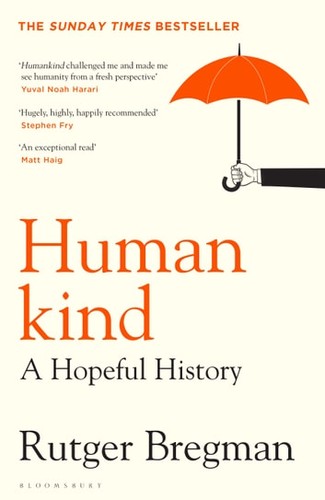
Argues that people are basically decent and revisits famous experiments. Hopeful and readable.
Best for: more Bregman.
2. Factfulness by Hans Rosling, Ola Rosling and Anna Rosling Rönnlund
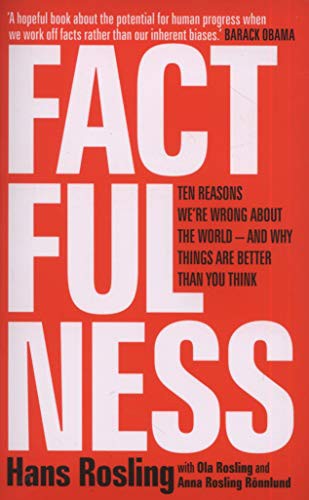
Shows why we get the world wrong and how data tell a better story. Clear and lively.
Best for: data and optimism.
3. Enlightenment Now by Steven Pinker
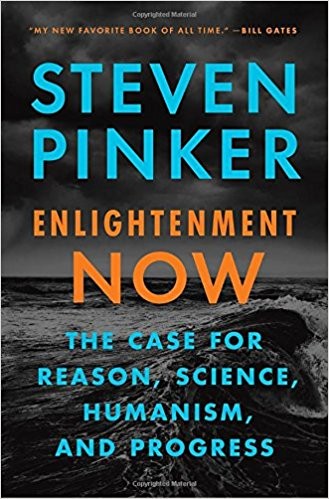
Argues that reason, science and humanism have improved life. Thick with data and often debated.
Best for: progress case.
4. Doughnut Economics by Kate Raworth
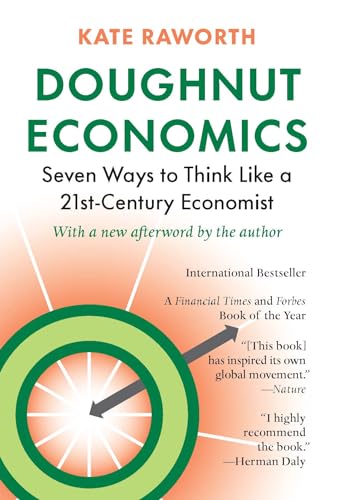
Proposes an economic model that meets human needs within planetary limits. Creative and clear.
Best for: new economics.
5. The Dawn of Everything by David Graeber and David Wengrow
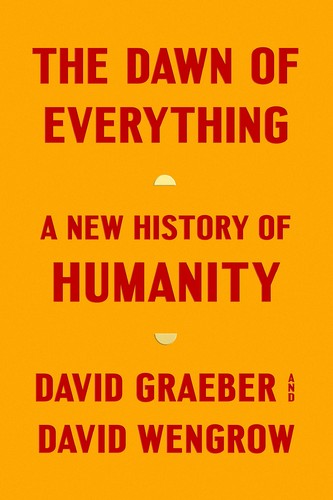
Rethinks human history and argues that early societies were more varied than we thought. Long and provocative.
Best for: new history.
6. Bullshit Jobs by David Graeber
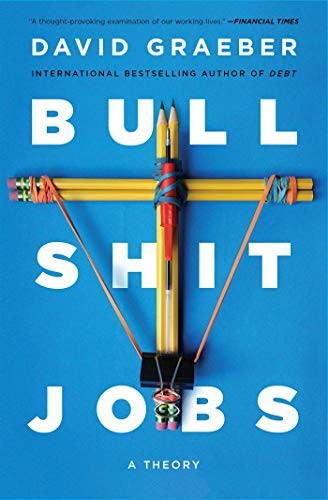
Argues that many jobs are pointless and harmful to the people who hold them. Lively and angry.
Best for: work and meaning.
7. Poor Economics by Abhijit V. Banerjee and Esther Duflo
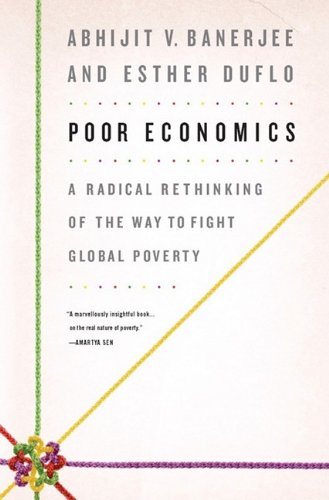
Uses experiments to study poverty and what helps. Practical and humane.
Best for: evidence on poverty.
8. Give People Money by Annie Lowrey
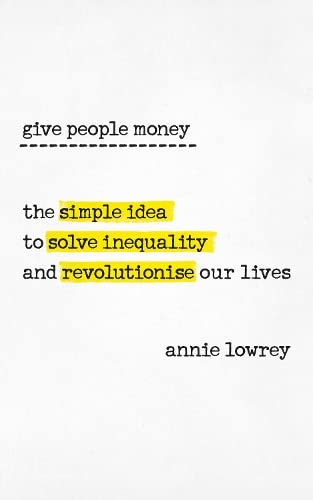
A journalist explores universal basic income and cash transfers. Clear and balanced.
Best for: basic income.
9. The Great Escape by Angus Deaton
A Nobel economist describes how health and wealth improved for many and left others behind. Thoughtful.
Best for: inequality history.
10. Abundance by Ezra Klein and Derek Thompson
Argues that progress needs more building and innovation. Policy-oriented and lively.
Best for: housing and growth.
11. The Better Angels of Our Nature by Steven Pinker

Argues that violence has declined over history. Long and controversial.
Best for: history of violence.
12. Sapiens by Yuval Noah Harari
A brief history of humankind, from the Stone Age to today. Big, bold and readable.
Best for: big history.
13. The End of Poverty by Jeffrey D. Sachs
Argues that extreme poverty can be ended in a generation. Optimistic and detailed.
Best for: global development.
14. Why Nations Fail by Daron Acemoglu and James A. Robinson
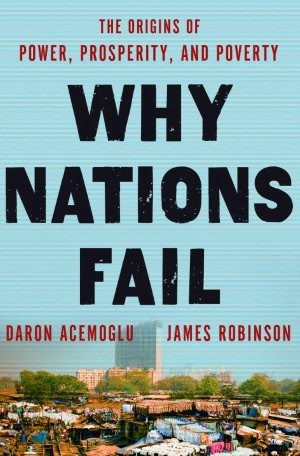
Argues that institutions decide whether countries grow rich or stay poor. Clear and wide-ranging.
Best for: institutions.
15. Capital in the Twenty-First Century by Thomas Piketty
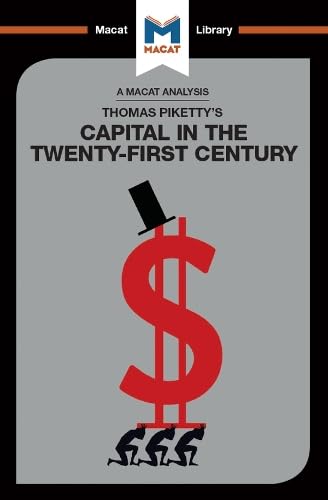
A big study of wealth and inequality over centuries. Dense but famous.
Best for: inequality data.
How to Choose
For a hopeful tone, read Humankind and Factfulness. For economics, Doughnut Economics and Poor Economics. For history, The Dawn of Everything and Sapiens. For policy, Give People Money and Abundance. These authors disagree, so reading two with different views is useful. Idea books like these are best read with a pen. Mark the claims you want to check, then look up the studies or ask a friend to read the same chapter. Reading across the political spectrum helps you see both the strengths and the limits of each argument.
Related: 15 Books Like Wings of Fire Kids Will Love: Dragons, Quests and Animal Adventures · 12 Dystopian Books Like the Hunger Games | Best Books to Read Like Hunger Games
Frequently Asked Questions
What is Utopia for Realists about?
Bregman argues for a universal basic income, a 15-hour workweek and open borders, and explains why they may be more realistic than critics say.
Is Rutger Bregman a famous author?
Yes. He is a Dutch historian and writer who became known after a talk at Davos in 2019.
Is the book optimistic?
Yes, though it relies on pilot projects and history rather than proof.
Is a universal basic income practical?
Experts disagree, and the book presents evidence from pilots such as Mincome in Canada.
What should I read next by Bregman?
Humankind is his other bestseller.
Who are the main authors on this list?
Historians, economists and journalists, including Bregman, Pinker, Raworth, Graeber and Rosling.
What is a universal basic income?
It is a regular payment to every adult with no conditions, and several cities have tested it.
Is Utopia for Realists a short book?
It is about 300 pages and very readable.
Does the book offer proof?
It uses evidence from pilots and history, but it also argues for ideas not fully tested.
Is Utopia for Realists easy to read?
Yes. Bregman writes in short, lively chapters.