

Disclosure: As an Amazon Associate, Bookish Wisdom earns from qualifying purchases. This doesn't change our picks or your price.
Quick answer: If you read Why Nations Fail, read Acemoglu and Robinson's The Narrow Corridor, then Guns, Germs, and Steel, Poor Economics and Capital in the Twenty-First Century. All explain why some societies grow rich and others stay poor, and how power shapes outcomes.
Daron Acemoglu and James A. Robinson argue in Why Nations Fail (2012) that nations succeed when political and economic institutions are inclusive, and fail when elites extract wealth. It is full of historical examples and a clear central idea. The books below offer related explanations from geography, culture, economics and politics.
Table of Contents
Quick Picks at a Glance
| Book | Author | Ages | Best For |
|---|---|---|---|
| The Narrow Corridor | Daron Acemoglu and James A. Robinson | Adult | the follow-up |
| Power and Progress | Daron Acemoglu and Simon Johnson | Adult | technology and inequality |
| Guns, Germs, and Steel | Jared Diamond | Adult | geography and history |
| The Wealth and Poverty of Nations | David S. Landes | Adult | economic history |
| Poor Economics | Abhijit V. Banerjee and Esther Duflo | Adult | fighting poverty |
| The End of Poverty | Jeffrey D. Sachs | Adult | development economics |
| The Bottom Billion | Paul Collier | Adult | why poor countries stay poor |
| Capital in the Twenty-First Century | Thomas Piketty | Adult | inequality |
| The Great Escape | Angus Deaton | Adult | health, wealth and inequality |
| Factfulness | Hans Rosling | Adult | rethinking the world |
| Prisoners of Geography | Tim Marshall | Adult | map-based politics |
| Development as Freedom | Amartya Sen | Adult | human capabilities |
| The Origins of Political Order | Francis Fukuyama | Adult | state building |
| Why the West Rules for Now | Ian Morris | Adult | long-run history |
| The Rise and Fall of the Great Powers | Paul Kennedy | Adult | power and economics |
1. The Narrow Corridor by Daron Acemoglu and James A. Robinson
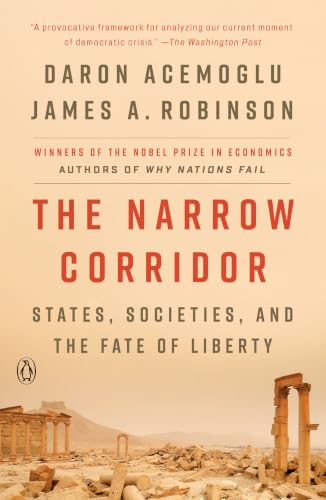
The authors explore how liberty emerges when state and society balance. A natural sequel.
Best for: the follow-up.
2. Power and Progress by Daron Acemoglu and Simon Johnson
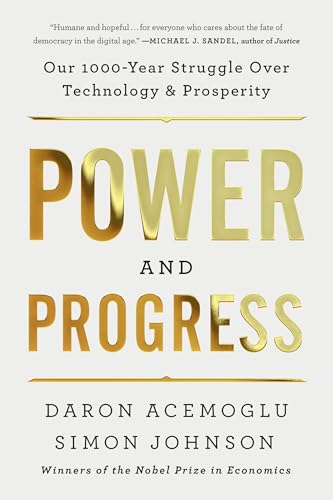
A look at how technology benefits depend on who has power. Timely and thoughtful.
Best for: technology and inequality.
3. Guns, Germs, and Steel by Jared Diamond
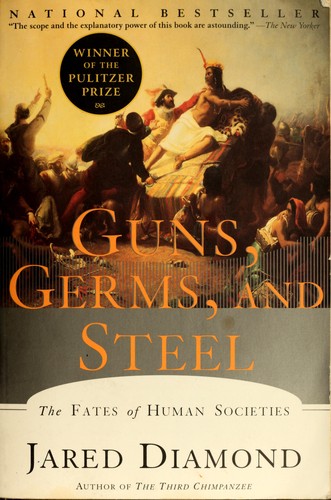
Diamond argues that geography shaped the rise of societies. Controversial but influential.
Best for: geography and history.
4. The Wealth and Poverty of Nations by David S. Landes
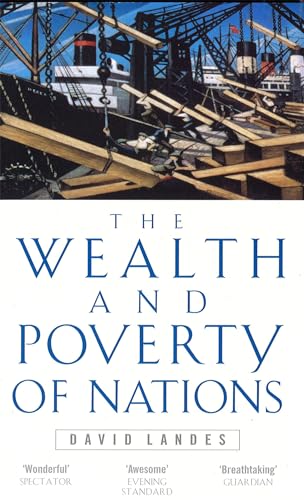
Landes traces why some nations grew rich. Wide-ranging and opinionated.
Best for: economic history.
5. Poor Economics by Abhijit V. Banerjee and Esther Duflo
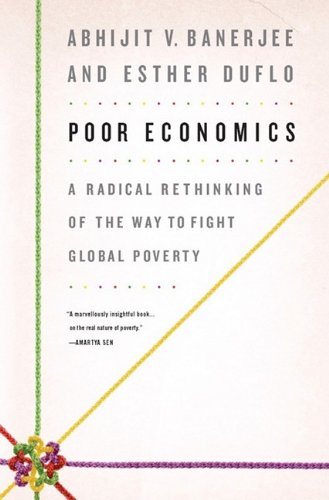
Two Nobel laureates test ideas for helping the poor. Evidence-based and humane.
Best for: fighting poverty.
6. The End of Poverty by Jeffrey D. Sachs
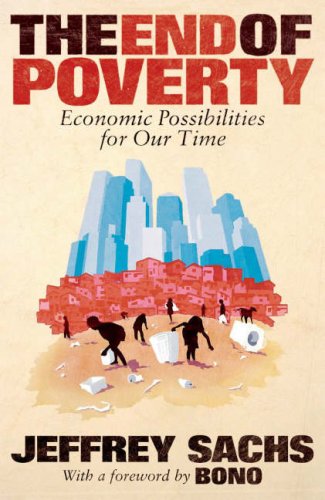
Sachs argues that poverty can be ended with the right investments. Optimistic and debated.
Best for: development economics.
7. The Bottom Billion by Paul Collier
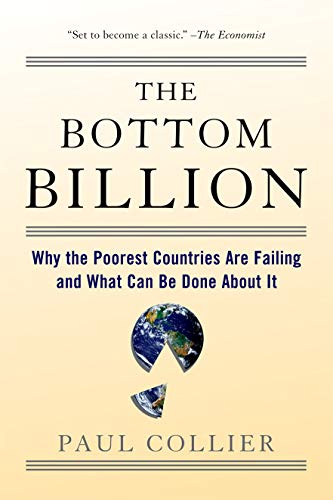
Collier identifies traps that keep countries poor. Clear and provocative.
Best for: why poor countries stay poor.
8. Capital in the Twenty-First Century by Thomas Piketty
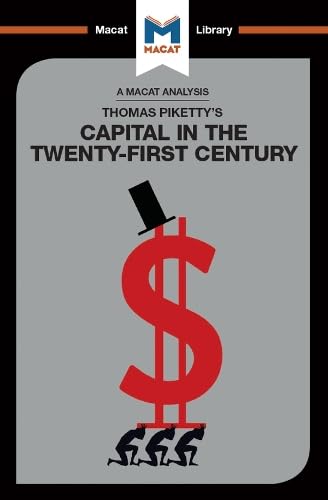
Piketty studies wealth and income over centuries. Long, data-rich and influential.
Best for: inequality.
9. The Great Escape by Angus Deaton
Deaton looks at how humanity has escaped poverty and disease. Balanced and wise.
Best for: health, wealth and inequality.
10. Factfulness by Hans Rosling
Rosling shows that the world is better than we think. Clear and encouraging.
Best for: rethinking the world.
11. Prisoners of Geography by Tim Marshall
Marshall explains how geography shapes politics. Accessible and brisk.
Best for: map-based politics.
12. Development as Freedom by Amartya Sen
Sen argues that development means expanding freedom. Humane and influential.
Best for: human capabilities.
13. The Origins of Political Order by Francis Fukuyama
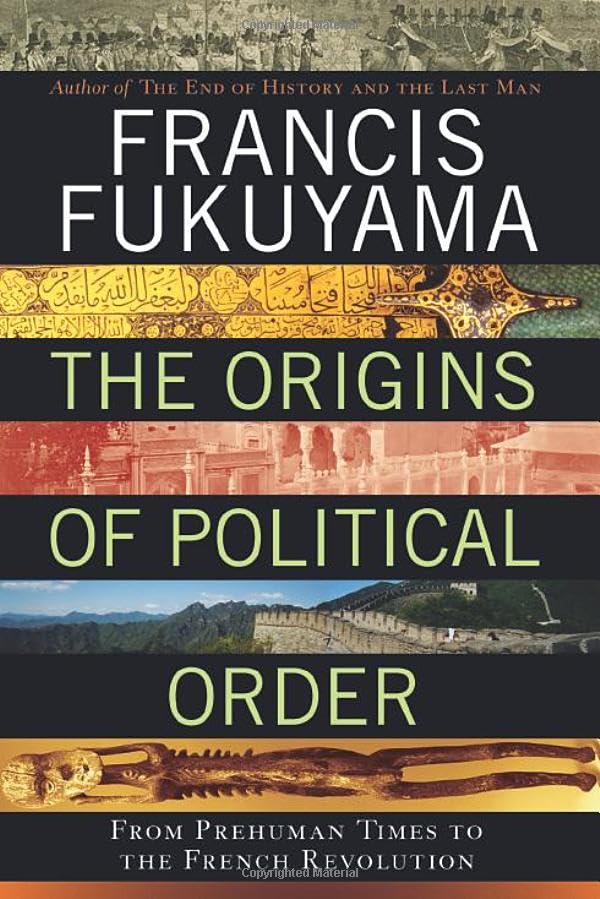
Fukuyama studies how states develop from early times. Scholarly and sweeping.
Best for: state building.
14. Why the West Rules for Now by Ian Morris
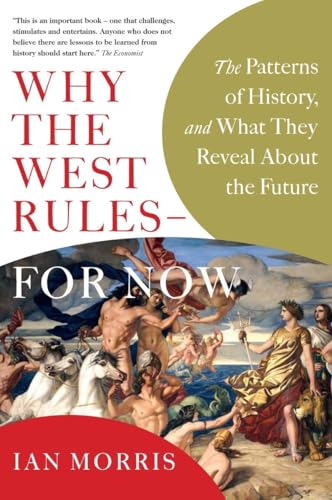
Morris argues geography and history explain the rise of the West. Big and bold.
Best for: long-run history.
15. The Rise and Fall of the Great Powers by Paul Kennedy
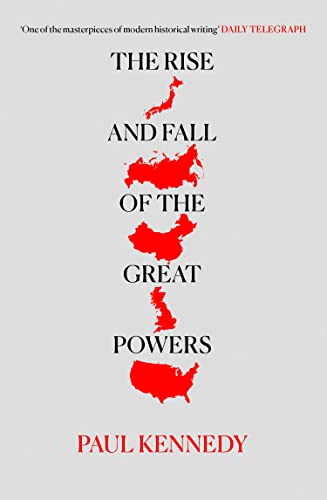
Kennedy explores how economic strength underpins military power. A classic of grand strategy.
Best for: power and economics.
How to Choose
For follow-ups choose The Narrow Corridor or Power and Progress. For big-picture history pick Guns, Germs, and Steel or Why the West Rules for Now. For poverty and development read Poor Economics, The Bottom Billion or The Great Escape. For inequality try Capital in the Twenty-First Century. Many of these books argue with each other, so reading two with opposing views is a good way to test ideas. Acemoglu, Johnson and Robinson received the 2024 Nobel Prize in Economics for their work on institutions, which has increased interest in the book. Readers new to economics may prefer Factfulness or Prisoners of Geography, which are shorter and easier. Those wanting more depth can read Poor Economics or The Narrow Corridor. If you disagree with Acemoglu and Robinson, Guns, Germs, and Steel and The Wealth and Poverty of Nations give alternative explanations, and comparing them is a great way to learn.
Related: Why We Sleep by Matthew Walker: Summary and Key Takeaways · Why People Share Knowledge | The Psychology of Sharing
Frequently Asked Questions
What is Why Nations Fail about?
Why some countries are rich and others poor, with a focus on institutions.
Who wrote it?
Daron Acemoglu and James A. Robinson.
When was it published?
2012.
What is the main argument?
Inclusive institutions create prosperity, while extractive institutions keep nations poor.
Is it hard to read?
No, it is written for general readers.
Does it have critics?
Yes, some argue it underplays geography and culture.
Is it long?
It is around 500 pages.
What should I read next?
Try The Narrow Corridor or Poor Economics.
Is Why Nations Fail about specific countries?
It covers many, from North and South Korea to Botswana and Egypt.
Do the authors blame colonialism?
Partly. The book argues that colonial institutions shaped later outcomes in many places.