
Disclosure: As an Amazon Associate, Bookish Wisdom earns from qualifying purchases. This doesn’t change our picks or your price.
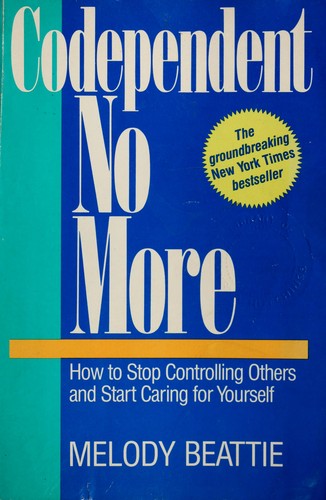
TL;DR: Codependent No More: How to Stop Controlling Others and Start Caring for Yourself by Melody Beattie is a classic on codependency, the pattern of letting another person’s behavior control you while you try to control them. Beattie describes the signs, explains how to detach with love, set boundaries and focus on your own needs, drawing on her experience with addiction and recovery.
First published in 1986, Codependent No More helped bring the word codependency into everyday conversation. Melody Beattie wrote it after years of recovering from addiction and from relationships with people who struggled with alcoholism. She found that many family members and friends of people with addictions organize their lives around the other person’s problems and lose track of themselves. The book mixes personal stories, practical steps and reflective exercises. Here’s a summary of its main ideas. This is educational and not a replacement for professional help.
Table of Contents
Codependent No More at a Glance
| Detail | Info |
|---|---|
| Author | Melody Beattie |
| First published | 1986 |
| Genre | Self-help, recovery, psychology |
| Core idea | You can’t control others, and healing starts with caring for yourself |
| Structure | Chapters on patterns, detachment, boundaries and self-care |
| Best for | People affected by a loved one’s addiction or by controlling, caretaking relationships |
What Is Codependent No More About?
Beattie defines a codependent person as someone who has let another person’s behavior affect them and who is obsessed with controlling that person’s behavior. She stresses that codependents are often caring, responsible people who learned to survive in difficult circumstances.
The book is rooted in the experience of people living with alcoholism, and it uses the language of twelve-step programs such as Al-Anon, but it applies to any relationship in which one person loses themselves while focusing on another.
Key Ideas, Part by Part
What Codependency Looks Like
Beattie lists common characteristics. Codependents may take on too much responsibility, feel guilty when saying no, try to control people, ignore their own needs and find it hard to ask for help. They may be attracted to people who need rescuing, and they often struggle to feel good about themselves unless they are needed.
She describes caretaking, feeling responsible for other people’s feelings and problems, and rescuing them from consequences. These behaviors may start from love but can backfire by enabling harmful patterns and leaving the helper exhausted and resentful.
Detachment and Letting Go
A key idea is detachment, which Beattie calls detaching with love. It means separating yourself emotionally from the other person’s problems without abandoning care for them. You stop trying to control, fix or rescue them, and you focus on what you can do.
She suggests practices such as stepping back from arguments, not taking responsibility for others’ choices and saying what you will do instead of what they must do. Detachment is not coldness; it is a way to protect your own peace and let the other person face their own life.
Boundaries, Feelings and Needs
Another theme is learning to set boundaries. Beattie explains that you have the right to say no, to say how you feel and to protect your time and resources. She encourages readers to identify their feelings and needs, which codependents often ignore.
She also discusses anger, guilt and fear, and suggests ways to process them, such as journaling, talking to supportive friends and joining support groups. Taking care of your health, interests and friendships is part of recovery.
Recovery and Support
Beattie describes recovery as gradual. Some steps include owning your power, accepting what you cannot change and working on self-love. She encourages readers to find support, whether through Al-Anon, Codependents Anonymous, therapy or trusted friends.
She also reminds readers that setbacks happen and that progress is more important than perfection. The closing message is hopeful: you can build a life that does not revolve around anyone else’s problems.
6 Key Takeaways From Codependent No More
- You can’t control others. You can only control your own responses.
- Caretaking can backfire. Rescuing can enable harmful behavior.
- Detach with love. Step back while still caring.
- Set boundaries. You have the right to protect yourself.
- Name your feelings and needs. Self-awareness is part of recovery.
- Get support. Groups and therapy help.
Ideas Worth Remembering
- Taking care of yourself is not selfish. (paraphrased)
- Love and control are not the same. (paraphrased)
- Let people face the consequences of their choices. (paraphrased)
- Recovery is a process. (paraphrased)
How to Apply Codependent No More in Real Life
- List your caretaking habits. Notice where you rescue or over-function.
- Practice saying no. Start with small requests.
- Name what you need. Write one need and one step to meet it.
- Join a support group. Try Al-Anon or a similar group.
- Schedule self-care. Plan time for your own interests.
Criticisms and Limits
Critics note that the concept of codependency is broad and can pathologize normal caring behavior, especially for women. Some mental health professionals argue that it lacks clear scientific definition, and others find the twelve-step language and religious references, such as the Higher Power, not suitable for everyone. The book is also dated in places, and its advice may not fit situations of abuse, where leaving safely is the priority.
Still, many readers feel seen by it and find the exercises helpful. Use it alongside professional guidance if you are dealing with addiction, abuse or serious distress.
Codependent No More in One Minute
Codependency means organizing your life around someone else’s behavior. Detach with love, stop trying to control or rescue, and set boundaries. Name your feelings and needs, care for your health and interests and seek support through groups or therapy. Recovery is gradual and focuses on your own life.
Is Codependency a Diagnosis?
Codependency is not an official diagnosis in the major manuals used by clinicians, and researchers continue to debate how to define it. The term has been used widely in recovery communities and by therapists to describe patterns of over-involvement and self-neglect. Whether or not you adopt the label, the practices of boundaries, self-care and support can be useful.
Supporting Someone Without Rescuing
Supporting a loved one with a problem such as addiction is difficult. You can express care, share information about treatment and encourage them to seek help, while not covering for harmful behavior or taking responsibility for their choices. Decide what you will and won’t do, such as not lending money, and be consistent. In the US, the SAMHSA helpline at 1-800-662-4357 offers free referrals for substance use and mental health.
Common Obstacles in Recovery
People often feel guilty when they first set boundaries, or fear that the relationship will end. Others slip back into old habits under stress. Beattie reminds readers that discomfort does not mean you are doing something wrong. Take it step by step, celebrate small changes and lean on support. If the relationship is unsafe, put your safety first and seek professional or community help.
Signs You Might Benefit From the Book
You may find the book helpful if you often feel responsible for how others feel, if you lose track of your own interests when you are in a relationship or if you stay in situations that hurt because you are afraid to disappoint someone. Other signs include difficulty saying no, anxiety when someone is upset with you and a habit of fixing problems that are not yours. Recognizing these patterns is not a diagnosis, but it can point you to useful support.
Simple Boundary Scripts
Boundaries are easier with words ready. You might say, I care about you, but I can’t lend money right now. Or, I’m not able to talk when you’re yelling; I’ll call you tomorrow. Or, I can listen, but I can’t solve this for you. Keep statements short, calm and focused on your actions. Expect some pushback at first, and stay consistent. Over time, clear boundaries can reduce resentment and make relationships more honest.
Who Should Read Codependent No More?
Read it if you are close to someone with an addiction or controlling behavior, if you often put others first to your own detriment or if you are curious about boundaries. It is a long, reflective read. For a modern take on boundaries, pair it with a contemporary relationship book such as Adult Children of Emotionally Immature Parents.
What to Read Next
- Adult Children of Emotionally Immature Parents by Lindsay C. Gibson healing from childhood emotional neglect
- Boundaries by Henry Cloud and John Townsend a practical guide to setting limits
- Attached by Amir Levine and Rachel Heller understanding attachment in relationships
Related: The Let Them Theory summary and key takeaways and Attached summary and key takeaways.
Frequently Asked Questions
What is the main idea of Codependent No More?
That you can’t control other people, and recovery comes from detaching with love and focusing on your own needs.
What is codependency?
A pattern of letting another person’s behavior control you while you try to control or rescue them.
Is the book only for people with addicted loved ones?
It began there, but it applies to any relationship with over-involvement.
What is detaching with love?
Stepping back from someone’s problems without abandoning care for them.
Where can I find support?
Groups like Al-Anon or Codependents Anonymous, and therapists.