
Disclosure: As an Amazon Associate, Bookish Wisdom earns from qualifying purchases. This doesn't change our picks or your price.
Quick answer: Niccolò Machiavelli wrote around a dozen major works. His most famous is The Prince (written 1513, published 1532), a short guide to gaining and keeping political power. He also wrote Discourses on Livy, The Art of War, Florentine Histories, the comic play The Mandrake, poems and many letters and diplomatic reports from his years as a Florentine official.
Table of Contents
Key Facts
| Item | Detail |
|---|---|
| Author | Niccolò Machiavelli (1469-1527) |
| Most famous work | The Prince |
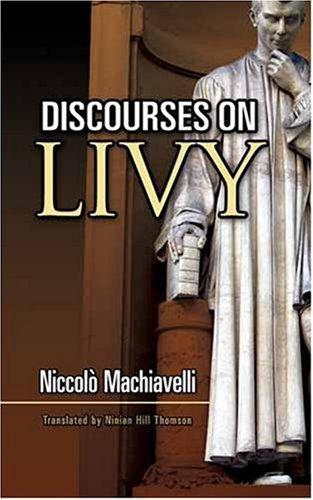
| Major political work | Discourses on Livy |
| Other works | The Art of War, Florentine Histories, The Mandrake |
| Career | Florentine diplomat and official |
Machiavelli's Major Works
1. The Prince
Written after Machiavelli lost his government post, it advises rulers on how to win and hold power, famously arguing that it is safer to be feared than loved if one cannot be both.
2. Discourses on Livy
A longer study of the Roman Republic that reveals Machiavelli's admiration for republics and civic freedom.
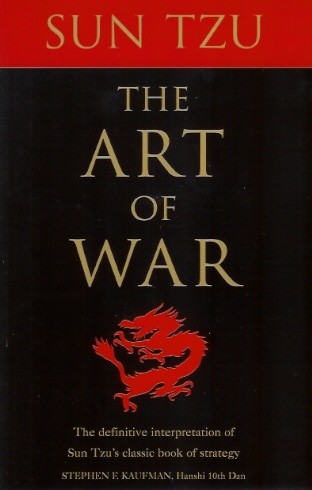
3. The Art of War
A dialogue about military organization and the value of citizen armies.
4. Florentine Histories
A history of Florence commissioned by the Medici family.
5. The Mandrake
A sharp, funny stage comedy still performed today.
6. Letters
His letters, especially to his friend Francesco Vettori, show his wit and describe how he wrote The Prince.
Things That Confuse Readers
- Thinking Machiavelli praised cruelty for its own sake. He wrote about effective power, not cruelty as a goal.
- Reading only The Prince. The Discourses show a different side of his thinking.
- Confusing his Art of War with Sun Tzu's. They are different books.
- Ignoring historical context. He wrote during violent Italian politics.
- Assuming Machiavellian equals Machiavelli. The term exaggerates his ideas.
Making Reading Part of Everyday Life
Small habits make the biggest difference. Keep a book where you naturally spend idle minutes, such as by the bed, in a bag or on your phone through a library app. Set a gentle goal, like ten pages a day, rather than a large number that feels like pressure. Mix formats, since audiobooks count too and can fit into commutes and chores. Let yourself stop reading books you do not enjoy, because forcing your way through them is one of the fastest ways to lose the habit. And talk about what you read with friends or a book club, since sharing a story is one of the best reasons to finish it.
If you want to read more, track what you finish in a notebook or app. Seeing a growing list is motivating, and it helps you notice what you enjoy most, so you can choose better books next time.
Finally, be patient with yourself. Reading habits grow slowly, and a few pages most days will add up to many books over a year.
It also helps to keep a list of books you want to read next. When you finish one book, you will already know what to pick up, which keeps the habit going without a gap.
Above all, choose books that match your mood and interests. Reading should feel like a reward, not a test, and the right book at the right time makes the habit easy.
Libraries are the best free resource for any reader. Librarians can suggest books, help you find formats that suit you and introduce you to digital lending apps.
Helpful Books and Resources
- The Prince by Niccolo Machiavelli
-
Discourses on Livy by Niccolo Machiavelli
-
The Art of War by Sun Tzu
Related: The Prince by Niccolo Machiavelli: Summary and Key Takeaways · The Art of War by Sun Tzu: Summary and Key Takeaways
Frequently Asked Questions
How many books did Machiavelli write?
Around a dozen major works.
What is Machiavelli's most famous book?
The Prince.
When was The Prince published?
In 1532, after his death.
What does Machiavellian mean?
Cunning and scheming, a term that simplifies his ideas.
Did Machiavelli write plays?
Yes, including The Mandrake.
What is Discourses on Livy?
A study of the Roman Republic.
Is The Prince hard to read?
It is short and readable in a modern translation.
What should I read next?
Try The Art of War by Sun Tzu or The 48 Laws of Power by Robert Greene.
Where did Machiavelli live?
In Florence, Italy.
What was his job?
A diplomat and official of the Florentine Republic.
What did Machiavelli mean by fortune?
Luck and circumstance, which he believed a skilled leader must prepare for.
Why is The Prince still read?
It is a frank look at power that still shapes political thought.