
Disclosure: As an Amazon Associate, Bookish Wisdom earns from qualifying purchases. This doesn't change our picks or your price.
Quick answer: Most people read only a few hundred books in their lifetime. If an adult reads around a dozen books a year for 60 years, that adds up to roughly 700 books. A typical reader who finishes about five books a year reads around 300, while avid readers who finish 50 books a year can reach 3,000 or more. Childhood books add to the total.
Table of Contents
Key Facts
| Item | Detail |
|---|---|
| Average reader | Roughly 300-700 books in adulthood |
| Avid reader | 3,000 or more |
| Typical survey average | About a dozen books a year |
| Typical survey median | About five books a year |
| Biggest factor | Daily reading habit |
How Lifetime Reading Adds Up
1. Do the math
Multiply the books you read a year by the number of reading years left. Even small changes, like two extra books a year, add up over decades.
2. Use reading time
Reading 20 minutes a day can finish about one average book a month, or twelve a year.
3. Mix formats
Audiobooks during commutes and chores can add many books over a lifetime.
4. Read more as a child
Children's books add hundreds to the total, especially early readers and picture books.
5. Choose wisely
Since the total is limited, many readers choose books they truly want to read and quit those they do not.
6. Track your reading
Keeping a reading log shows how much you have read and helps you plan.
Myths About Lifetime Reading
- Thinking the number is fixed. Habits can change at any age.
- Racing to raise the count. Enjoyment and understanding matter more.
- Forgetting rereads. Rereading favorites is valuable.
- Ignoring audiobooks. They count.
- Comparing with others. Every reader is different.
Making Reading Part of Everyday Life
Small habits make the biggest difference. Keep a book where you naturally spend idle minutes, such as by the bed, in a bag or on your phone through a library app. Set a gentle goal, like ten pages a day, rather than a large number that feels like pressure. Mix formats, since audiobooks count too and can fit into commutes and chores. Let yourself stop reading books you do not enjoy, because forcing your way through them is one of the fastest ways to lose the habit. And talk about what you read with friends or a book club, since sharing a story is one of the best reasons to finish it.
If you want to read more, track what you finish in a notebook or app. Seeing a growing list is motivating, and it helps you notice what you enjoy most, so you can choose better books next time.
Finally, be patient with yourself. Reading habits grow slowly, and a few pages most days will add up to many books over a year.
It also helps to keep a list of books you want to read next. When you finish one book, you will already know what to pick up, which keeps the habit going without a gap.
Above all, choose books that match your mood and interests. Reading should feel like a reward, not a test, and the right book at the right time makes the habit easy.
Libraries are the best free resource for any reader. Librarians can suggest books, help you find formats that suit you and introduce you to digital lending apps.
Helpful Books and Resources
-
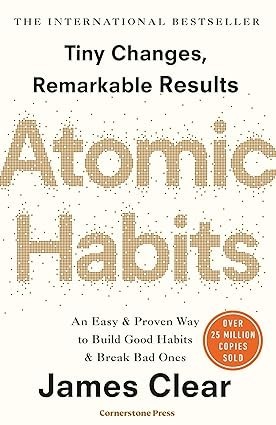
Atomic Habits by James Clear
-
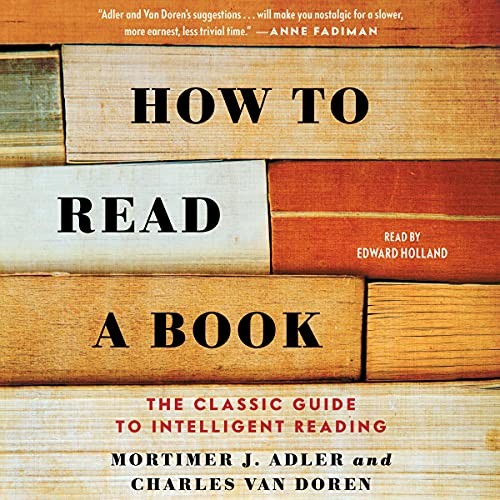
How to Read a Book by Mortimer J. Adler and Charles Van Doren
-
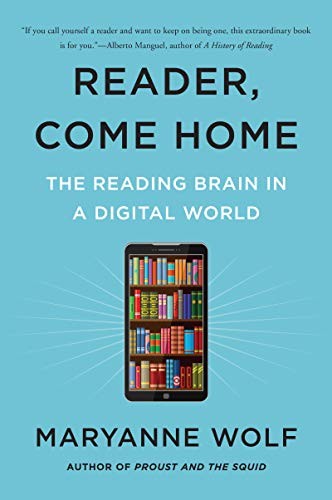
Reader, Come Home by Maryanne Wolf
Related: Atomic Habits by James Clear: Summary and Key Takeaways · How Many People Should Be in a Book Club? The Ideal Size Explained
Frequently Asked Questions
How many books does the average person read in a lifetime?
Often a few hundred.
How many books can an avid reader finish?
Several thousand.
How many books does the average American read a year?
About a dozen on average, five at the median.
How can I read more books in my life?
Read a little every day.
Do children's books count?
Yes.
How long does it take to read a book?
Usually five to ten hours.
Is it worth tracking books?
Many readers enjoy seeing their progress.
Should I finish every book?
No. Quitting books you dislike frees time for better ones.
Do audiobooks count?
Yes.
What is a good yearly goal?
One book a month is a great start.
Does reading more books make you smarter?
It builds knowledge and vocabulary.