

Disclosure: As an Amazon Associate, Bookish Wisdom earns from qualifying purchases. This doesn't change our picks or your price.
TL;DR: Dale Carnegie's classic book gives simple principles for handling people, making others like you, winning people to your way of thinking and leading without causing resentment. It relies on everyday examples and stories.
Table of Contents
How to Win Friends and Influence People at a Glance
| Author | Dale Carnegie |
| First published | 1936 |
| Type | Self-help (communication) |
| Best for | readers who want practical rules for getting along with people |
How to Win Friends and Influence People is a nonfiction book by Dale Carnegie, first published in 1936. The book has sold millions of copies since 1936. Some advice feels dated, but the core ideas about listening and respect still hold. Below you will find a part-by-part summary, five key takeaways, a few ideas worth remembering and a note on who will enjoy it most. The summary paraphrases the author's ideas rather than quoting them at length, so it works as a refresher or a preview, not a replacement for the book.
Key Ideas, Part by Part
Handling people
Carnegie says do not criticize, condemn or complain. He advises giving honest, sincere appreciation and arousing in the other person an eager want.
Making people like you
He suggests becoming genuinely interested in other people, smiling, remembering names and being a good listener.
Talk about their interests
He advises talking in terms of the other person's interests and making them feel important, sincerely.
Winning to your way of thinking
He argues that the best way to win an argument is to avoid it. He says to show respect for opinions, admit mistakes quickly and begin in a friendly way.
Getting them to say yes
He recommends starting with questions that get a yes and letting the other person feel the idea is theirs.
Being a leader
The last part covers how to change people without giving offense, by pointing out mistakes indirectly and praising improvements.
5 Key Takeaways
- People want to feel appreciated.
- Listening is a powerful skill.
- Criticism usually backfires.
- Arguments rarely change minds.
- Sincerity matters more than technique.
Ideas Worth Remembering
These are paraphrased, not direct quotes:
- The principles are simple but not always easy to practice.
- The examples come from the early 20th century.
- The tone can read as manipulative if used without sincerity.
Who Should Read How to Win Friends and Influence People?
Read it if you want to improve work and personal relationships. Take its advice as a guide to respect, not a trick.
Questions to Think About After Reading
These prompts work for solo reading, a book club or a classroom discussion of How to Win Friends and Influence People:
- Which idea could you use this week, and what would the first step be?
- Where do you disagree with the author, and what evidence would change your mind?
- Who in your life would benefit most from this book, and why?
Quick Facts to Remember
- Book: How to Win Friends and Influence People by Dale Carnegie (1936)
- Type: Self-help (communication)
- Best for: readers who want practical rules for getting along with people
- Main idea in one line: People want to feel appreciated.
Reading Time and Format
Nonfiction is easy to read in pieces. Many readers like an audiobook for the commute and a print or e-book copy for notes and highlights. Check the page count of your edition before you plan your reading time. Whichever format you choose, a library copy is a low-cost way to try the book before you buy, and used or digital editions are often cheaper than new print copies.
How to Use This Summary
Use this page as a quick reference before a book club meeting, an exam, or a decision about whether How to Win Friends and Influence People is worth your time. The takeaways are written to stand on their own. If a point interests you, go back to the book for the author's full argument, examples and style, which no short summary can carry.
A simple way to get the most from it: first read the TL;DR and the takeaways to decide if the book fits your interests, then read the part-by-part section for the structure, and finally write down one idea you want to remember or one question you want answered by the full text.
A Note on Accuracy and Spoilers
This summary is based on the published text of How to Win Friends and Influence People, not on any film, series or stage adaptation, which often change the story. Details are kept at the level of the main events so that nothing is invented. Editions differ slightly in length and wording, so page numbers and small details may vary from your copy.
Should You Read the Book?
If you decide to read it, skim the contents page first and read the sections that match your goal. Take notes in your own words, because ideas stick better when you rephrase them. If you are still unsure, read a free sample or the first chapter, because the opening pages usually show whether the voice and subject suit you. Reviews from readers with tastes like yours can help too, but your own reaction to a few pages is the best test.
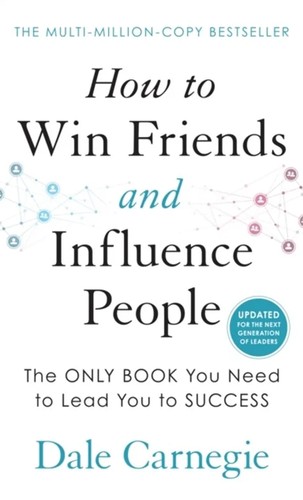
Check price of How to Win Friends and Influence People on Amazon
What to Read Next
- Influence by Robert Cialdini: a study of persuasion
- Crucial Conversations by Kerry Patterson and Joseph Grenny: how to talk when the stakes are high
- Never Split the Difference by Chris Voss: negotiation lessons from the FBI
Related: How to Win Friends and Influence People by Dale Carnegie: Summary and Key Takeaways · 15 Books Like How to Win Friends and Influence People You’ll Love
Frequently Asked Questions
Is How to Win Friends and Influence People still relevant?
Many of its ideas on listening and respect remain useful.
How long is it?
About 250 pages.
Is it manipulative?
It can be if used insincerely, but Carnegie stresses sincerity.
Is How to Win Friends and Influence People worth reading?
It depends on what you want. The book is best for readers who want practical rules for getting along with people. If that describes you, it is likely a good fit. If not, the titles under What to Read Next may suit you better.
Can this summary replace reading How to Win Friends and Influence People?
No. A summary covers the main events and ideas, but it cannot carry the author's voice, detail or pacing. Use it to decide whether to read the book, to refresh your memory or to prepare for a discussion.