
Disclosure: As an Amazon Associate, Bookish Wisdom earns from qualifying purchases. This doesn't change our picks or your price.
Quick answer: To write a book as a teenager, choose an idea you are excited about, read widely in that genre, make a simple outline, and write a little most days, even 200 words. Finish a full draft before editing, ask trusted readers for feedback, and revise. Teens can publish through school magazines, writing contests or self-publishing, ideally with a parent's help for contracts and money.
Table of Contents
Key Facts
| Item | Detail |
|---|---|
| Best first step | Pick an idea you care about |
| Daily goal | Even 200-500 words helps |
| Helpful programs | NaNoWriMo-style challenges, school clubs and contests |
| Publishing options | Contests, school magazines, self-publishing |
| Adult help | Parents or guardians usually needed for contracts |
How to Write a Book as a Teenager
1. Find your idea
Write the kind of story you love to read, whether fantasy, romance, mystery or real life. Your own interests and experiences give your writing a fresh voice.
2. Read like a writer
Notice how your favorite authors open chapters, build suspense and write dialogue, and try those techniques yourself.
3. Make a simple plan
Write a short outline with the beginning, main problem, turning points and ending. You can change it later.
4. Build a routine around school
Write in short sessions, such as before school or after homework. A few hundred words a day can finish a draft in months.
5. Finish, then revise
Get to the end of the story before rewriting. Then fix the big problems first, like plot and character, and polish sentences last.
6. Share and learn
Join a writing club, enter contests or share with trusted friends and teachers. Feedback helps you grow faster.
Mistakes Teen Writers Often Make
- Starting over too often. Many teens restart with each new idea. Finish one draft first.
- Comparing yourself to published authors. They have had years of practice.
- Hiding your work. Feedback is how writers improve.
- Rushing to publish. Focus on learning and finishing first.
- Ignoring safety online. Be careful about sharing personal information on writing sites.
Building a Writing Habit That Lasts
Most books are finished by people who write regularly, not by people who wait for inspiration. Pick a time you can protect, even if it is only twenty minutes, and treat it like an appointment. Keep a running document of ideas so you never start from a blank page. Set a small, measurable goal, such as three hundred words a session, and track it. When you get stuck, skip ahead to a scene or section you are excited about and come back later. Finally, separate drafting from editing: write the rough version first, and fix it afterward, because trying to do both at once slows most writers down.
It also helps to know who the book is for. Write a one-sentence description of your reader and keep it beside your desk. Every time you are unsure about a scene, a word or a chapter, ask whether it serves that reader. This simple check keeps a draft focused and makes later editing much easier.
Finally, ask for feedback early. A trusted reader, writing group or teacher can spot problems you are too close to see, and fixing them in an early draft is much easier than in a finished one.
Keep every draft. Saving old versions lets you experiment freely, because you can always go back if a change does not work.
Most importantly, enjoy the process. Writing a book is a long project, and the writers who finish are usually the ones who find something to love in the daily work.
Helpful Books and Resources
- Spilling Ink by Anne Mazer and Ellen Potter
-
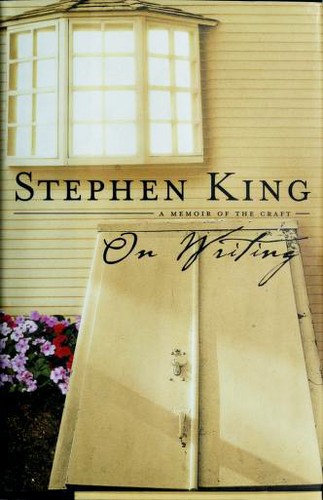
On Writing by Stephen King
-
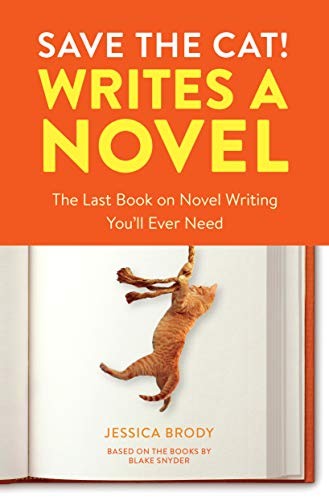
Save the Cat! Writes a Novel by Jessica Brody
Related: On Writing by Stephen King: Summary and Key Takeaways · 15 Best Books to Read as a Teenager
Frequently Asked Questions
Can a teenager write a book?
Yes. Many teens have written and published books.
How do teens get published?
Through contests, school publications, small presses or self-publishing.
How long should my book be?
Young adult novels are usually 50,000 to 90,000 words.
Do I need an agent?
For traditional publishing, usually yes, and a parent will need to help with contracts.
What should I write about?
Write the story you most want to read.
How can I find time?
Write in short sessions and keep a regular schedule.
Are there writing contests for teens?
Yes. Many schools, libraries and organizations run them.
What books can help?
Spilling Ink by Anne Mazer and Ellen Potter is written especially for young writers.
Should I use a pen name?
Some teens use a pen name for privacy, which is a sensible choice when sharing work online.