
Disclosure: As an Amazon Associate, Bookish Wisdom earns from qualifying purchases. This doesn't change our picks or your price.
Quick answer: To write a book based on a true story, first decide whether you are writing narrative nonfiction, which must stick to verifiable facts, or a novel inspired by real events, which can invent scenes and characters. Then research thoroughly, organize a timeline, choose a point of view, write the draft, and check facts and legal risks before publishing, especially if real people are named.
Table of Contents
Key Facts
| Item | Detail |
|---|---|
| Two main approaches | Narrative nonfiction or fiction inspired by real events |
| Most important task | Research and fact-checking |
| Key legal risks | Defamation and privacy |
| Useful sources | Interviews, records, newspapers and archives |
| Common label | Based on a true story or inspired by true events |
How to Write a Book Based on a True Story
1. Choose fiction or nonfiction
Nonfiction promises readers that events happened as described. Fiction gives you freedom to invent dialogue and combine characters, but you should say it is inspired by real events.
2. Research deeply
Gather interviews, letters, court records, newspapers and photographs. Note sources as you go so you can check facts later.
3. Build a timeline
Lay out events in order, then decide where your story should begin and end. Many strong books start at a dramatic moment and fill in the background later.
4. Pick a point of view
Decide whose eyes the reader will see through, such as one main person, several people or an outside narrator.
5. Write scenes, not reports
Bring events to life with setting, action and dialogue drawn from your research, so the book reads like a story.
6. Check facts and legal issues
Verify names, dates and claims, get permission where needed, and consider changing names or details to protect privacy. Some writers ask a lawyer to review the manuscript.
Common Mistakes With True Stories
- Inventing facts in nonfiction. Readers trust nonfiction to be accurate.
- Ignoring living people's rights. Be careful about defamation and private details.
- Including too much research. Choose details that serve the story.
- Starting at the beginning of everything. Begin where the story gets interesting.
- Skipping permissions. Get consent for interviews and private documents when possible.
Building a Writing Habit That Lasts
Most books are finished by people who write regularly, not by people who wait for inspiration. Pick a time you can protect, even if it is only twenty minutes, and treat it like an appointment. Keep a running document of ideas so you never start from a blank page. Set a small, measurable goal, such as three hundred words a session, and track it. When you get stuck, skip ahead to a scene or section you are excited about and come back later. Finally, separate drafting from editing: write the rough version first, and fix it afterward, because trying to do both at once slows most writers down.
It also helps to know who the book is for. Write a one-sentence description of your reader and keep it beside your desk. Every time you are unsure about a scene, a word or a chapter, ask whether it serves that reader. This simple check keeps a draft focused and makes later editing much easier.
Finally, ask for feedback early. A trusted reader, writing group or teacher can spot problems you are too close to see, and fixing them in an early draft is much easier than in a finished one.
Keep every draft. Saving old versions lets you experiment freely, because you can always go back if a change does not work.
Most importantly, enjoy the process. Writing a book is a long project, and the writers who finish are usually the ones who find something to love in the daily work.
Helpful Books and Resources
-
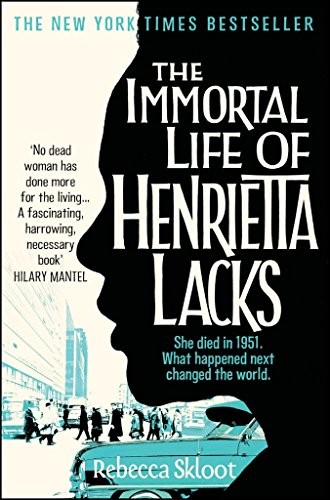
The Immortal Life of Henrietta Lacks by Rebecca Skloot
-
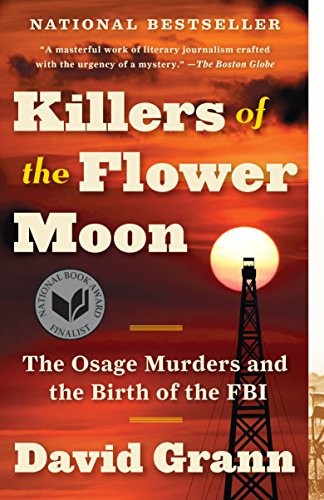
Killers of the Flower Moon by David Grann
-
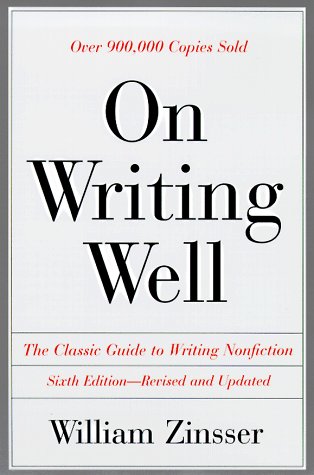
On Writing Well by William Zinsser
Related: The Immortal Life of Henrietta Lacks by Rebecca Skloot: Summary and Key Takeaways · Killers of the Flower Moon by David Grann: Summary and Key Takeaways
Frequently Asked Questions
Can I write a book about real events?
Yes, as long as you are accurate and fair, especially about living people.
Do I need permission to write about real people?
Not always, but you must avoid false or damaging claims.
What is narrative nonfiction?
True stories told with the techniques of fiction.
Can I change names?
Yes. Many authors change names to protect privacy.
What does inspired by true events mean?
The story is based on real events but includes invented elements.
How much research do I need?
Enough to describe events accurately and confidently.
Should I interview people?
Interviews add rich detail and accuracy.
What books can I learn from?
In Cold Blood by Truman Capote and The Immortal Life of Henrietta Lacks by Rebecca Skloot are classic examples.