
Disclosure: As an Amazon Associate, Bookish Wisdom earns from qualifying purchases. This doesn't change our picks or your price.
Quick answer: To write a book for readers aged 12 to 14, focus on a main character who is about the same age or slightly older, with real challenges like friendship, family, identity and independence. Keep the pace brisk, the voice authentic and the content appropriate for upper middle grade or young teen readers, usually 40,000 to 70,000 words.
Table of Contents
Key Facts
| Item | Detail |
|---|---|
| Audience | Upper middle grade and young teens |
| Typical length | 40,000-70,000 words |
| Main character age | About 12-15 |
| Common themes | Friendship, family, identity, growing up |
| Content level | Honest but age-appropriate |
How to Write for Readers Aged 12-14
1. Know your reader
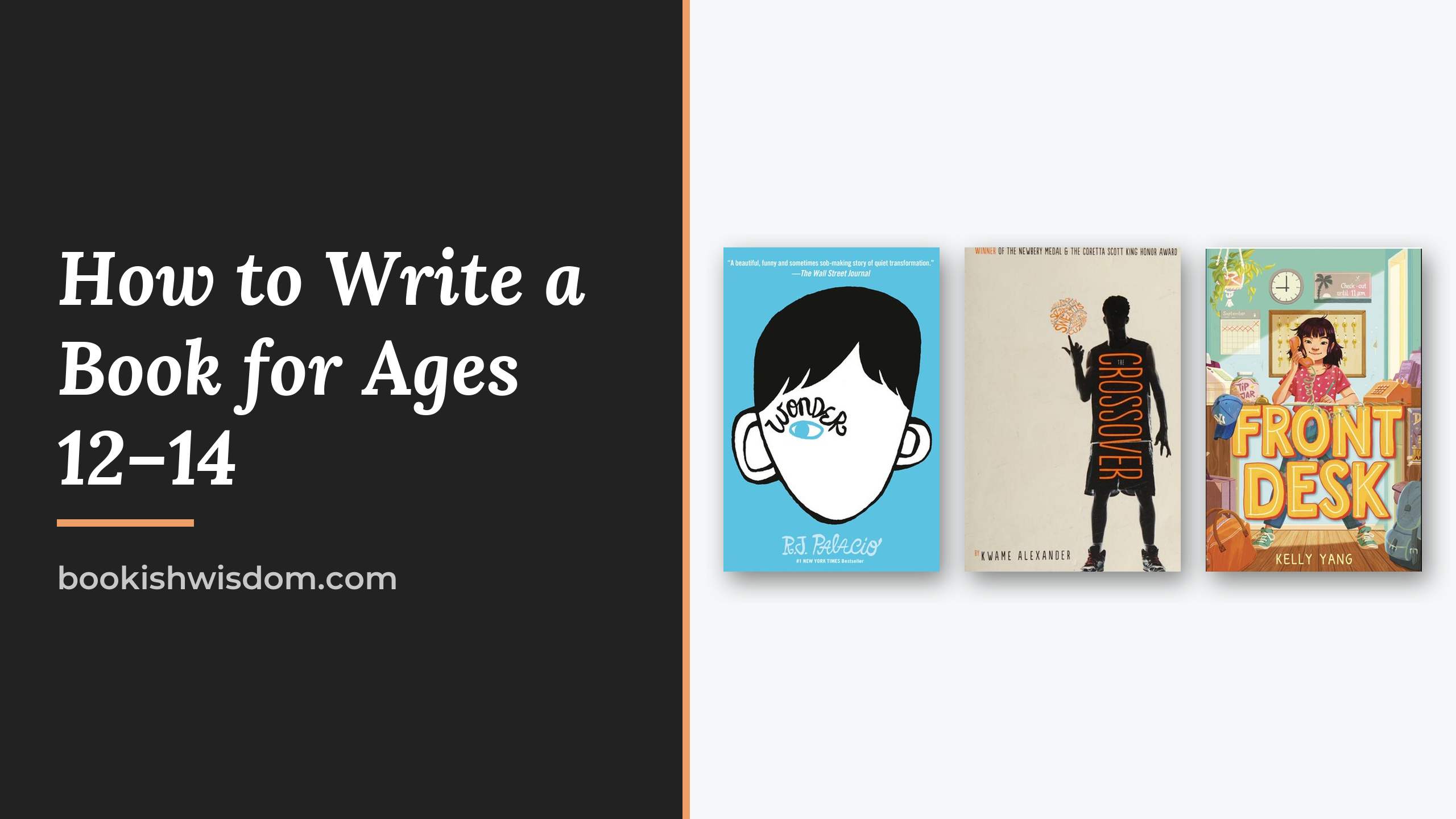
Read popular books for this age, such as Wonder, Front Desk and Hatchet, and notice what keeps readers turning pages.
2. Create a relatable hero
Make your main character slightly older than your readers, with clear goals and flaws.
3. Use an authentic voice
Avoid preaching or slang that will date quickly. Listen to how young teens actually talk.
4. Keep the pace moving
Short chapters, strong hooks and clear stakes hold attention.
5. Handle tough topics carefully
Readers this age can handle real issues, but keep content suitable for upper middle grade.
6. Get feedback from teens
Ask young readers or teachers to read drafts and tell you what works.
Common Mistakes When Writing for Young Teens
- Writing down to readers. Teens notice condescension.
- Too much adult perspective. Keep the focus on the young character.
- Overly long books. Keep length appropriate.
- Forgetting humor. Even serious stories benefit from lighter moments.
- Ignoring diversity. Readers want to see many experiences.
Building a Writing Habit That Lasts
Most books are finished by people who write regularly, not by people who wait for inspiration. Pick a time you can protect, even if it is only twenty minutes, and treat it like an appointment. Keep a running document of ideas so you never start from a blank page. Set a small, measurable goal, such as three hundred words a session, and track it. When you get stuck, skip ahead to a scene or section you are excited about and come back later. Finally, separate drafting from editing: write the rough version first, and fix it afterward, because trying to do both at once slows most writers down.
It also helps to know who the book is for. Write a one-sentence description of your reader and keep it beside your desk. Every time you are unsure about a scene, a word or a chapter, ask whether it serves that reader. This simple check keeps a draft focused and makes later editing much easier.
Finally, ask for feedback early. A trusted reader, writing group or teacher can spot problems you are too close to see, and fixing them in an early draft is much easier than in a finished one.
Keep every draft. Saving old versions lets you experiment freely, because you can always go back if a change does not work.
Most importantly, enjoy the process. Writing a book is a long project, and the writers who finish are usually the ones who find something to love in the daily work.
Reading widely in the form you are writing is one of the best teachers. Notice how other writers open, structure and end their work, and borrow techniques that suit your own voice.
Helpful Books and Resources
-
Wonder by R. J. Palacio
-
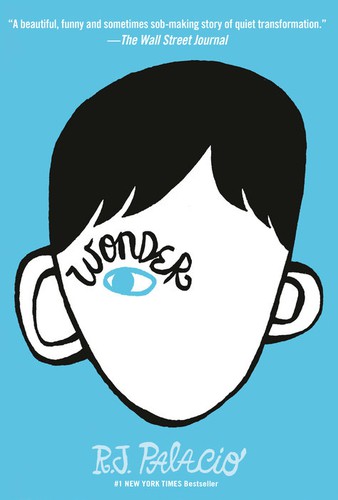
The Crossover by Kwame Alexander
-
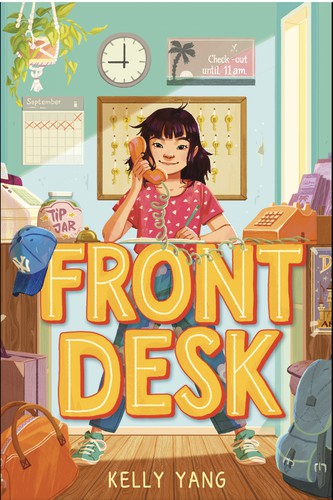
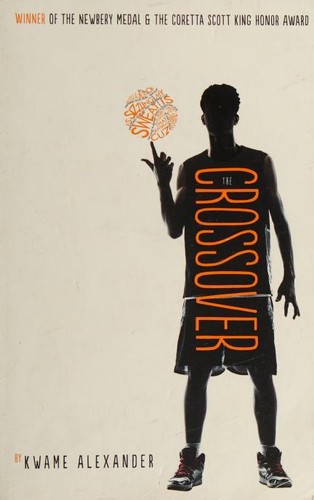
Front Desk by Kelly Yang
Related: The Crossover by Kwame Alexander: Summary and Key Takeaways · Front Desk by Kelly Yang: Summary and Key Takeaways
Frequently Asked Questions
How long should a book for 12-14 year olds be?
Usually 40,000 to 70,000 words.
How old should the main character be?
About 12 to 15.
Is this middle grade or young adult?
It sits between, often called upper middle grade.
Can I include romance?
Light crushes are common.
What topics work best?
Friendship, family, identity and independence.
Should I use slang?
Sparingly, since it dates quickly.
How do I get feedback?
Ask teachers, librarians and young readers.
What books are good models?
Wonder, Front Desk and The Crossover.
Should I write in first person?
Many books for this age use first person for intimacy.
Do I need an agent?
For traditional publishing, usually yes.
What genres sell well for this age?
Fantasy, mystery and realistic fiction are all popular.
How long does writing take?
Often a year.