
Disclosure: As an Amazon Associate, Bookish Wisdom earns from qualifying purchases. This doesn't change our picks or your price.
Quick answer: You can write and publish a book for free by drafting in a free tool like Google Docs, using free editing aids and beta readers, designing a simple cover with free tools, and publishing through platforms such as Amazon KDP, Kobo Writing Life, Barnes and Noble Press or Draft2Digital, which charge no upfront fees and take a share of each sale instead.
Table of Contents
Key Facts
| Item | Detail |
|---|---|
| Writing tools | Google Docs or LibreOffice |
| Publishing platforms | Amazon KDP, Kobo Writing Life, Barnes and Noble Press, Draft2Digital |
| Upfront cost | None on these platforms |
| How platforms earn | A percentage of each sale |
| Print option | Print-on-demand paperbacks |
How to Write and Publish a Book for Free
1. Write with free tools
Google Docs and LibreOffice are free and save your work automatically. Write a complete draft first.
2. Get free feedback
Join writing groups, swap manuscripts with other writers or ask trusted readers to review your draft.
3. Edit carefully
Use free grammar checkers and read your book aloud to catch errors. Several rounds of self-editing make a big difference.
4. Format the book
Free tools from publishing platforms, such as Kindle Create, help format e-books and print books.
5. Create a cover
Free design tools can produce a simple, clean cover. Study covers in your genre so yours fits.
6. Publish and promote
Upload to platforms like KDP or Draft2Digital at no cost, then share your book on social media, newsletters and local libraries.
Mistakes When Publishing on a Budget
- Skipping editing. Errors hurt reviews.
- Ignoring the cover. Readers judge books by covers.
- Paying vanity presses. Avoid companies that charge large fees to publish.
- Forgetting the free ISBN rules. Free ISBNs from platforms list them as publisher.
- Not marketing. Even free publishing needs promotion.
Building a Writing Habit That Lasts
Most books are finished by people who write regularly, not by people who wait for inspiration. Pick a time you can protect, even if it is only twenty minutes, and treat it like an appointment. Keep a running document of ideas so you never start from a blank page. Set a small, measurable goal, such as three hundred words a session, and track it. When you get stuck, skip ahead to a scene or section you are excited about and come back later. Finally, separate drafting from editing: write the rough version first, and fix it afterward, because trying to do both at once slows most writers down.
It also helps to know who the book is for. Write a one-sentence description of your reader and keep it beside your desk. Every time you are unsure about a scene, a word or a chapter, ask whether it serves that reader. This simple check keeps a draft focused and makes later editing much easier.
Finally, ask for feedback early. A trusted reader, writing group or teacher can spot problems you are too close to see, and fixing them in an early draft is much easier than in a finished one.
Keep every draft. Saving old versions lets you experiment freely, because you can always go back if a change does not work.
Most importantly, enjoy the process. Writing a book is a long project, and the writers who finish are usually the ones who find something to love in the daily work.
Reading widely in the form you are writing is one of the best teachers. Notice how other writers open, structure and end their work, and borrow techniques that suit your own voice.
Helpful Books and Resources
- The Business of Being a Writer by Jane Friedman
-
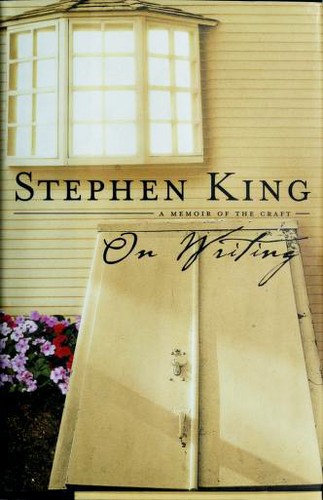
On Writing by Stephen King
-
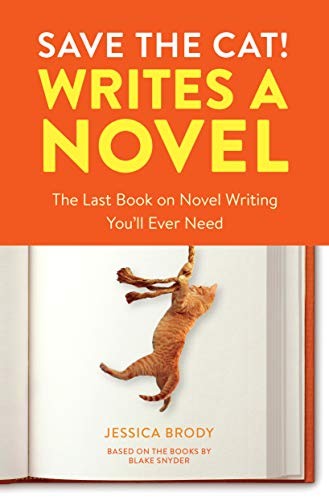
Save the Cat! Writes a Novel by Jessica Brody
Related: On Writing by Stephen King: Summary and Key Takeaways · How to Write a Book Review
Frequently Asked Questions
Can I publish a book for free?
Yes, through platforms like Amazon KDP and Kobo Writing Life.
Do I need an ISBN?
Platforms can provide a free one for some formats.
How do free platforms make money?
They take a share of each sale.
Can I print paperbacks for free?
Print-on-demand lets readers order copies without upfront printing costs.
What is a vanity press?
A company that charges authors to publish, often with poor results.
Should I hire an editor?
It helps if you can afford it, but self-editing and beta readers can work.
How do I get reviews?
Ask early readers and offer advance copies.
Can I publish on several platforms?
Yes, unless you enroll in an exclusive program.
Do I keep my rights?
Yes, on most self-publishing platforms.
What books can help?
The Business of Being a Writer by Jane Friedman.