
Disclosure: As an Amazon Associate, Bookish Wisdom earns from qualifying purchases. This doesn't change our picks or your price.
Quick answer: You can use AI tools to help write a book by using them for brainstorming, outlining, research questions and editing suggestions, while writing the book in your own words and checking every fact. Be open about AI use, follow your publisher's rules, and on Amazon KDP you must disclose AI-generated text, images or translations when you publish. Readers and publishers value original human voice.
Table of Contents
Key Facts
| Item | Detail |
|---|---|
| Good uses | Brainstorming, outlining, feedback and grammar checks |
| Risky uses | Writing full chapters or inventing facts |
| Disclosure | Amazon KDP asks authors to disclose AI-generated content |
| Copyright | Purely AI-generated text may not be protected in some countries |
| Best approach | Use AI as an assistant, not the author |
How to Use AI Tools Responsibly
1. Brainstorm ideas
Ask an AI tool for possible plot twists, titles or chapter ideas, then choose and change them in your own way.
2. Build an outline
Use AI to suggest structures, but adjust the order and content to fit your vision.
3. Research carefully
Use AI to generate questions or summaries, then verify every fact with reliable sources, since AI can make up information.
4. Write in your own voice
Draft scenes and chapters yourself. Your experiences and style are what make the book worth reading.
5. Edit with help
Grammar tools and AI feedback can catch errors and suggest clearer sentences.
6. Disclose and follow rules
Check publisher policies and platform rules, and disclose AI-generated content where required.
Mistakes Writers Make With AI
- Publishing unedited AI text. It often reads flat and repetitive.
- Trusting AI facts. Always verify.
- Ignoring copyright. AI-generated text may not be fully protected.
- Hiding AI use. Platforms and readers expect honesty.
- Copying other authors' styles too closely. It raises ethical and legal concerns.
Building a Writing Habit That Lasts
Most books are finished by people who write regularly, not by people who wait for inspiration. Pick a time you can protect, even if it is only twenty minutes, and treat it like an appointment. Keep a running document of ideas so you never start from a blank page. Set a small, measurable goal, such as three hundred words a session, and track it. When you get stuck, skip ahead to a scene or section you are excited about and come back later. Finally, separate drafting from editing: write the rough version first, and fix it afterward, because trying to do both at once slows most writers down.
It also helps to know who the book is for. Write a one-sentence description of your reader and keep it beside your desk. Every time you are unsure about a scene, a word or a chapter, ask whether it serves that reader. This simple check keeps a draft focused and makes later editing much easier.
Finally, ask for feedback early. A trusted reader, writing group or teacher can spot problems you are too close to see, and fixing them in an early draft is much easier than in a finished one.
Keep every draft. Saving old versions lets you experiment freely, because you can always go back if a change does not work.
Most importantly, enjoy the process. Writing a book is a long project, and the writers who finish are usually the ones who find something to love in the daily work.
Reading widely in the form you are writing is one of the best teachers. Notice how other writers open, structure and end their work, and borrow techniques that suit your own voice.
Helpful Books and Resources
-
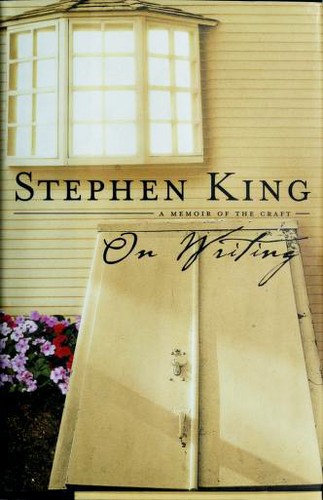
On Writing by Stephen King
-
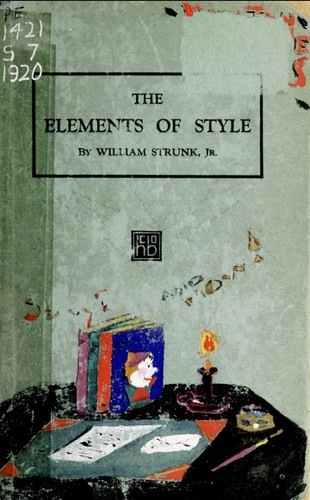
The Elements of Style by William Strunk Jr. and E. B. White
-
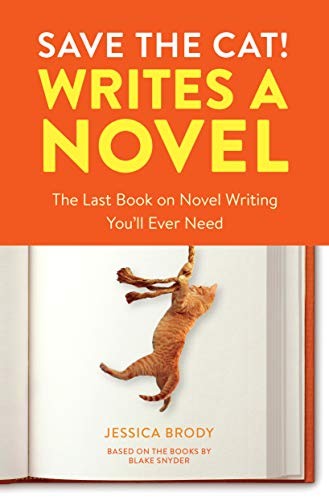
Save the Cat! Writes a Novel by Jessica Brody
Related: On Writing by Stephen King: Summary and Key Takeaways · How to Run a Virtual Book Club: Tools, Tips and Etiquette
Frequently Asked Questions
Can I write a book with AI?
You can use AI to assist, but the best books are written in your own words.
Do I have to disclose AI use on Amazon?
KDP asks you to disclose AI-generated content.
Is AI-written text copyrighted?
In some countries, purely AI-generated text is not protected.
What are good AI uses for writers?
Brainstorming, outlining and editing feedback.
Can AI make mistakes?
Yes. It can invent facts.
Do publishers accept AI-assisted books?
Policies vary, so ask first.
Will readers notice?
Readers often notice generic, AI-sounding prose.
What books help writers improve?
On Writing by Stephen King is a classic.
Can AI design my book cover?
It can, but you must disclose AI-generated images on KDP and check licensing.
Is using a grammar checker considered AI use?
Basic grammar tools are widely accepted.