
Disclosure: As an Amazon Associate, Bookish Wisdom earns from qualifying purchases. This doesn’t change our picks or your price.
TL;DR: In Outlive, physician Peter Attia argues that medicine waits too long to treat the chronic diseases that kill most people. He calls for Medicine 3.0: a proactive, personalized approach focused on healthspan, not just lifespan. Its main tools are exercise (which he calls the most powerful longevity drug), nutrition, sleep and emotional health.
Note: This summary is for general information and isn’t medical advice. Talk to your doctor before making changes to your exercise, diet or medications.
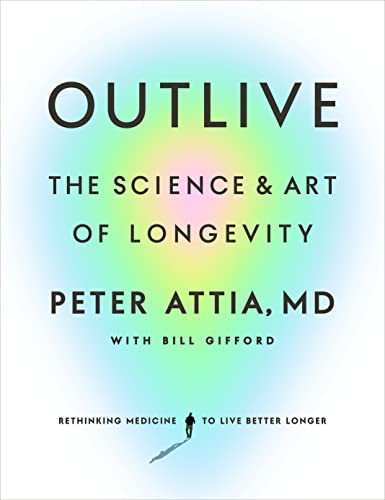
Published in 2023 and written with science journalist Bill Gifford, Outlive: The Science and Art of Longevity became a major bestseller. Attia, a physician known for his podcast The Drive, trained in surgery at Johns Hopkins before shifting his focus to preventive medicine and longevity. The book combines scientific explanation, practical strategies and personal story.
Table of Contents
Outlive at a Glance
| Detail | Info |
|---|---|
| Author | Peter Attia, MD, with Bill Gifford |
| Published | 2023 |
| Genre | Health / longevity / science |
| Structure | Three parts: the longevity mindset, the four horsemen of chronic disease, and tactics |
| Best for | Adults of any age who want to stay healthy and active for longer |
Part 1: A New Way of Thinking About Health
Medicine 2.0 vs. Medicine 3.0
Attia describes Medicine 1.0 as pre-scientific medicine and Medicine 2.0 as today’s system, which excels at acute problems like infections and injuries but often intervenes in chronic disease only after it’s diagnosed. Medicine 3.0 focuses on prevention, personalization and starting much earlier.
Healthspan and the Marginal Decade
Lifespan is how long you live; healthspan is how long you live in good health. Attia urges readers to think about their marginal decade, their last ten years of life, and what they want to be able to do then, like carrying groceries, playing with grandchildren or hiking.
The Centenarian Decathlon
He suggests making a list of physical tasks you want to be able to do in your final decade, then training now to preserve the strength and fitness those tasks require, since fitness declines with age.
Part 2: The Four Horsemen
Attia identifies four chronic diseases that cause most deaths in non-smokers in wealthy countries:
- Atherosclerotic cardiovascular disease (heart disease and stroke). He emphasizes managing risk factors early, including apoB-containing lipoproteins, blood pressure and smoking.
- Cancer. He stresses avoiding known risks, considering appropriate screening with your doctor, and the value of early detection.
- Neurodegenerative disease, such as Alzheimer’s. He discusses risk factors and lifestyle strategies that may reduce risk.
- Metabolic dysfunction and type 2 diabetes, which he sees as a foundation for the other three.
Part 3: Tactics
Exercise
Attia calls exercise the most potent longevity tool available. He focuses on four pillars: stability, strength, zone 2 aerobic training (steady effort where you can still talk) and VO2 max (high-intensity work that raises peak fitness). He highlights research linking higher cardiorespiratory fitness and muscle strength to lower risk of death.
Nutrition
Rather than promoting one diet, he talks about nutritional biochemistry: managing energy balance, getting enough protein to maintain muscle, and adjusting based on your own data and response.
Sleep
Poor sleep raises the risk of metabolic problems, heart disease and cognitive decline. He offers practical guidance for better sleep habits.
Emotional Health
One of the most personal parts of the book describes Attia’s own struggles with emotional health and his time in treatment. He argues that a long life isn’t worth much without emotional well-being and connection.
5 Key Takeaways From Outlive
- Prevention starts early. Chronic diseases develop over decades.
- Focus on healthspan. Quality of life in later years matters as much as length.
- Exercise is the top tool. Strength, stability and cardio fitness all matter.
- Personalize your approach. Work with your doctor using your own data.
- Don’t neglect emotional health. Connection and well-being make long life worthwhile.
Ideas Worth Remembering
- Exercise is the most powerful longevity drug we have. (paraphrased)
- Train today for the life you want in your final decade. (paraphrased)
- Living longer only matters if you’re living well. (paraphrased)
What Do Critics Say?
Some doctors say parts of Attia’s approach, such as extensive testing and advanced imaging, are expensive or not well supported for everyone. Others note that some recommendations rely on early research. Many readers still find its focus on exercise, sleep and early prevention practical and motivating.
Who Should Read Outlive?
It’s useful for adults of any age interested in staying healthy, and especially for people in their thirties to sixties who want to prevent chronic disease. Some scientific sections are detailed, so expect to skim or reread.
What to Read Next
- Why We Sleep by Matthew Walker on the science of sleep.
- Born to Run by Christopher McDougall for running inspiration.
- Atomic Habits by James Clear for building healthy routines.
Related: Same as Ever summary and summaries of the best self-help books ever written.
Frequently Asked Questions
What is the main idea of Outlive?
The main idea is that we should prevent chronic diseases early through a proactive approach called Medicine 3.0, with a focus on exercise, nutrition, sleep and emotional health to extend healthspan.
What are the four horsemen in Outlive?
The four horsemen are atherosclerotic cardiovascular disease, cancer, neurodegenerative diseases like Alzheimer’s, and metabolic dysfunction including type 2 diabetes.
What is zone 2 training?
Zone 2 is steady aerobic exercise at a moderate intensity where you can still hold a conversation. Attia recommends it as a foundation for cardiovascular and metabolic health.