
Disclosure: As an Amazon Associate, Bookish Wisdom earns from qualifying purchases. This doesn’t change our picks or your price.
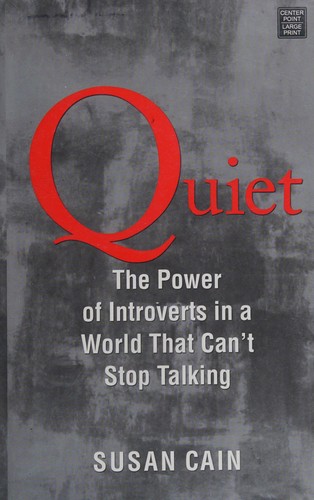
TL;DR: Quiet: The Power of Introverts in a World That Can’t Stop Talking argues that modern culture overvalues boldness and constant talking, which Susan Cain calls the “Extrovert Ideal.” Introverts, who make up roughly a third to a half of people, bring real strengths: deep focus, careful thinking and good listening. Workplaces, schools and families work better when they make room for both temperaments.
When Quiet came out in 2012, it gave millions of introverts a sense of relief: there was nothing wrong with preferring a quiet evening to a loud party. Susan Cain, a former corporate lawyer and negotiation consultant, combines research in psychology and neuroscience with stories about real people to show how introversion works and why it matters. Her TED talk on the same topic became one of the most-watched of all time. Here’s a complete summary of the book, its key ideas and what you can take from it.
Table of Contents
Quiet at a Glance
| Detail | Info |
|---|---|
| Author | Susan Cain |
| Published | 2012 |
| Genre | Psychology / nonfiction |
| Structure | Four parts plus a conclusion |
| Best for | Introverts, managers, teachers and parents of quiet kids |
What Is Quiet About?
Cain defines introverts broadly as people who feel most energized in calmer, less stimulating environments, while extroverts feel energized by more stimulation and social activity. Neither is better. But schools and offices are often designed for extroverts, with group projects, open-plan offices and constant meetings. Cain shows how this bias developed, what science says about temperament, and how introverts and extroverts can work and live together more effectively.
Key Ideas, Part by Part
Part One: The Extrovert Ideal
Cain traces how American culture shifted in the early twentieth century from a “culture of character,” which valued integrity and quiet virtue, to a “culture of personality,” which prized charm and charisma. Self-help pioneers like Dale Carnegie taught people to be more outgoing to succeed. She also challenges the popularity of group brainstorming and open offices, citing research showing that people often think more creatively when working alone first.
Part Two: Your Biology, Your Self?
This section explores the science of temperament, including psychologist Jerome Kagan’s research on “high-reactive” infants who responded strongly to new stimuli and often grew into more cautious, introverted adults. Cain explains that temperament is partly inborn but that people can stretch their personalities within limits.
Part Three: Do All Cultures Have an Extrovert Ideal?
Cain compares Western and East Asian cultural attitudes, noting that some cultures place more value on reflection, listening and humility. This part shows that the Extrovert Ideal is cultural, not universal.
Part Four: How to Love, How to Work
The final part offers practical advice. Cain discusses psychologist Brian Little’s “free trait” idea: introverts can act extroverted for causes they care about, as long as they have “restorative niches” to recharge. She also covers how introverted and extroverted couples can resolve conflicts and how parents can support quiet children.
5 Key Takeaways From Quiet
- Introversion isn’t shyness. Shyness is fear of social judgment; introversion is a preference for less stimulation.
- Solitude fuels creativity. Many people do their best thinking alone before sharing ideas with a group.
- You can stretch, but recharge. Act outside your comfort zone for important goals, then protect time to recover.
- Quiet leaders are effective. Introverted leaders often listen well and let proactive teams take initiative.
- Design for both types. Good workplaces and classrooms offer both collaboration and quiet space.
Ideas Worth Remembering
- The loudest voice in the room doesn’t necessarily have the best ideas. (paraphrased)
- Spend your energy on what matters to you, and save it by protecting quiet time. (paraphrased)
- Introversion is a temperament to understand, not a flaw to fix. (paraphrased)
Who Should Read Quiet?
Introverts who’ve been told to “come out of their shell” will feel seen. Managers and teachers will find practical ideas for designing better meetings and classrooms. Parents of quiet children get compassionate advice on helping kids thrive without forcing them to change who they are. Extroverts will also gain a better understanding of the quieter people in their lives.
What to Read Next
- Quiet Power by Susan Cain, a version for kids and teens.
- The Highly Sensitive Person by Elaine N. Aron on a related temperament trait.
- Bittersweet by Susan Cain on how sorrow and longing make us whole.
Related: Mindset summary and key takeaways and summaries of the best self-help books ever written.
Frequently Asked Questions
What is the main idea of Quiet by Susan Cain?
The main idea is that society overvalues extroversion, and that introverts have valuable strengths such as deep focus, careful thinking and listening, which deserve more respect at work, school and home.
Is introversion the same as shyness?
No. Cain explains that shyness is a fear of social disapproval, while introversion is a preference for environments with less stimulation. Some extroverts are shy, and many introverts aren’t.
What is a restorative niche?
A restorative niche is a place or time where introverts can recharge after acting more outgoing than feels natural, such as a quiet walk, a closed office or time alone at home.