
Disclosure: As an Amazon Associate, Bookish Wisdom earns from qualifying purchases. This doesn’t change our picks or your price.
Quick answer: If you loved Quiet by Susan Cain, try Bittersweet by Susan Cain, The Introvert Advantage by Marti Olsen Laney, Introvert Power by Laurie Helgoe, The Highly Sensitive Person by Elaine N. Aron, Quiet Power by Susan Cain and Deep Work by Cal Newport.
Quiet argues that modern culture overvalues extroversion, and that introverts, who make up roughly a third to half of the population, bring strengths such as deep thinking, careful listening and creativity. Susan Cain, a former lawyer, combines research with stories of workplaces, schools and famous introverts such as Rosa Parks and Steve Wozniak. The book started a movement and made many readers feel seen. The picks below share its focus on temperament, sensitivity, solitude and working in a world built for talkers. They are adult nonfiction, plus one young readers’ adaptation.
Table of Contents
Why Readers Love Quiet
Readers love Quiet because it reframes something they were told was a flaw. Cain explains that introversion is not shyness: introverts are energized by solitude and overstimulated by too much social input, while shyness is fear of judgment. She challenges the open-plan office, the group brainstorm and the school group project, and shows how quiet leaders and thinkers have changed the world. The book also includes practical advice for parents, teachers and managers, and a gentle call to find your own balance. Many readers say it helped them stop apologizing for who they are.
How We Chose These Books
Every pick below shares at least one thing readers loved about Quiet: its characters, its mood, its setting or the questions it raises. We mixed well-known favorites with a few less obvious choices, and we noted the genre and who each book suits best in the table, so you can scan for the right fit before you read the blurbs.
We kept every description spoiler-free and flagged mature content where it matters, since some of these books are written for adults and others suit teens. If you’re not sure where to start, the tips near the end of this list match each pick to what you loved most. The FAQ at the bottom answers the questions readers ask most often.
Quick Picks at a Glance
| Book | Author | Type | Best For |
|---|---|---|---|
| Bittersweet | Susan Cain | Psychology | More Susan Cain |
| Quiet Power | Susan Cain | Young adult nonfiction | Teens and younger readers |
| The Introvert Advantage | Marti Olsen Laney | Psychology | Practical strategies |
| Introvert Power | Laurie Helgoe | Psychology | Embracing inner life |
| The Highly Sensitive Person | Elaine N. Aron | Psychology | Sensitivity as a trait |
| The Introvert’s Way | Sophia Dembling | Self-help | Living a quiet life |
| Quiet Influence | Jennifer B. Kahnweiler | Business | Introverts at work |
| Solitude | Anthony Storr | Psychology | The value of being alone |
| Deep Work | Cal Newport | Productivity | Focus and concentration |
| Essentialism | Greg McKeown | Productivity | Saying no gracefully |
| The Gifts of Imperfection | Brené Brown | Self-help | Self-acceptance |
| Self-Compassion | Kristin Neff | Psychology | Being kind to yourself |
| Daring Greatly | Brené Brown | Self-help | Courage in connection |
| Dare to Lead | Brené Brown | Leadership | Leading with empathy |
| Give and Take | Adam Grant | Psychology | Generosity and success |
1. Bittersweet by Susan Cain
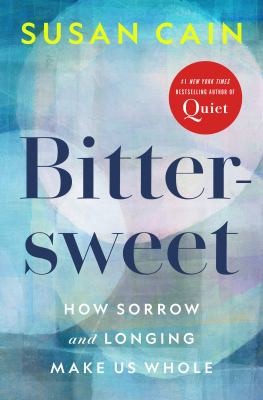
Cain explores why sorrow and longing can fuel creativity and connection, and how embracing a bittersweet outlook can bring meaning. It’s reflective and moving.
2. Quiet Power by Susan Cain
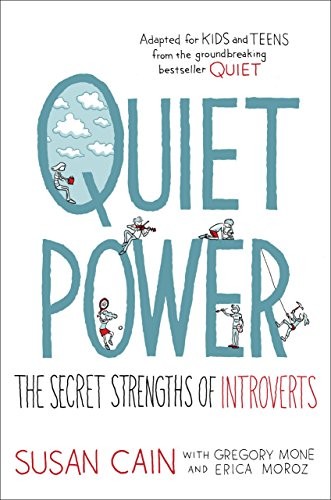
An adaptation of Quiet for teens, with stories of young introverts and practical tips for school and friendships. It’s friendly and reassuring.
3. The Introvert Advantage by Marti Olsen Laney
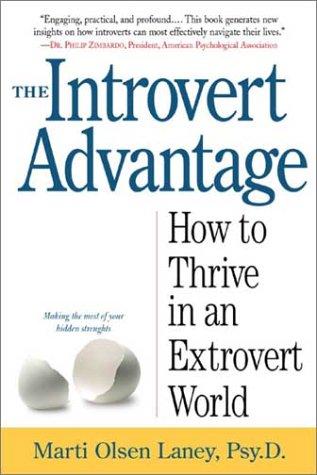
Laney explains the introvert brain and gives tips on managing energy, relationships and work. It’s an early classic of the genre.
4. Introvert Power by Laurie Helgoe
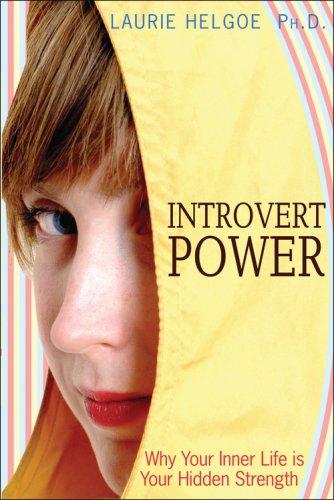
Helgoe argues that introverts have a rich inner life and offers ways to claim it instead of apologizing. It’s thoughtful and encouraging.
5. The Highly Sensitive Person by Elaine N. Aron
The psychologist who identified high sensitivity explains the trait and how to live well with it. It’s a foundational book for sensitive readers.
6. The Introvert’s Way by Sophia Dembling
Dembling offers a friendly guide to understanding and enjoying introversion, with humor and examples. It’s reassuring and light.
7. Quiet Influence by Jennifer B. Kahnweiler
Kahnweiler describes how introverts can lead and influence others using strengths such as listening and preparation. It’s practical for the workplace.
8. Solitude by Anthony Storr
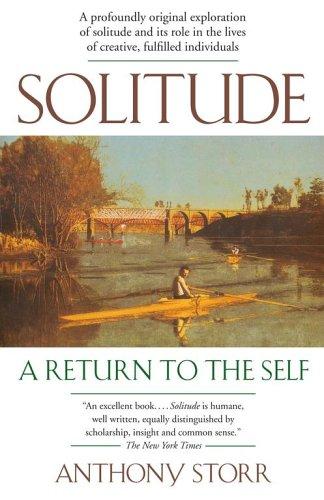
A psychiatrist argues that solitude can be essential for creativity and well-being. It’s a classic and a counterweight to the idea that we need constant company.
9. Deep Work by Cal Newport
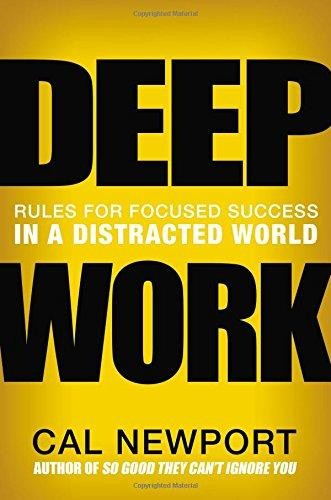
Newport argues that the ability to focus without distraction is valuable and rare, and gives strategies to build it. It’s a natural companion to Quiet.
10. Essentialism by Greg McKeown
McKeown shows how to focus on what matters most and decline the rest. It’s short and clear.
11. The Gifts of Imperfection by Brené Brown
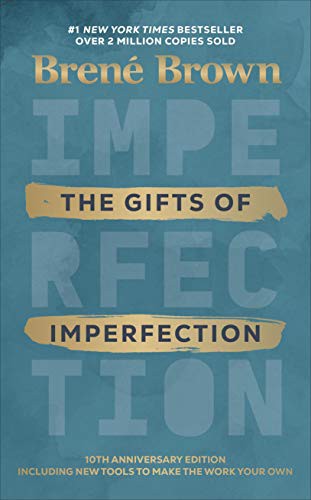
Brown explores how to let go of what other people think and embrace who you are. It’s gentle and practical.
12. Self-Compassion by Kristin Neff
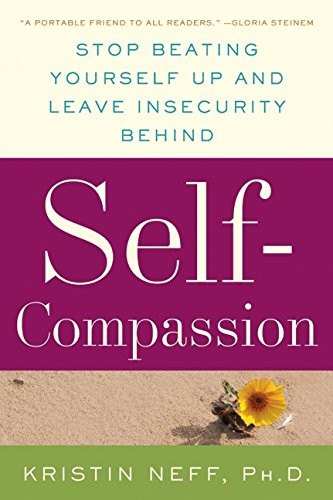
Neff explains why self-compassion beats self-criticism and offers exercises. It’s research-based and warm.
13. Daring Greatly by Brené Brown
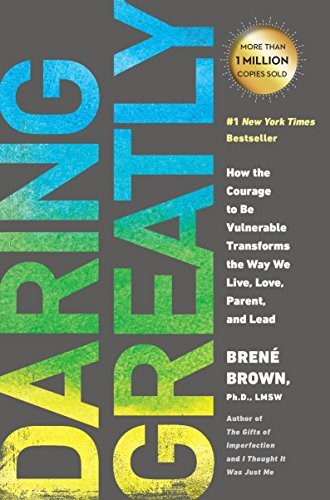
Brown describes how vulnerability leads to deeper connection. It’s helpful for quiet people who find openness difficult.
14. Dare to Lead by Brené Brown
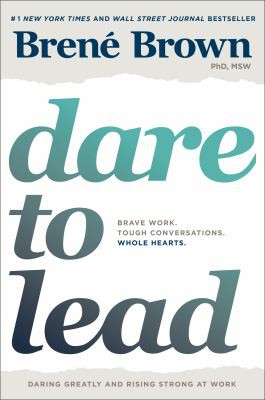
Brown applies her research to leadership and shows that bold, caring leaders don’t have to be loud. It’s practical.
15. Give and Take by Adam Grant
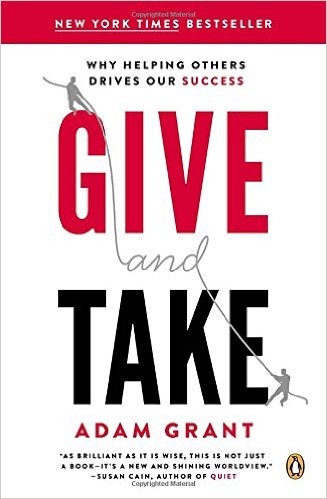
Grant argues that givers can succeed when they set boundaries, and that quiet contributors often shine. It’s well researched and encouraging.
How to Pick Your Next Read After Quiet
- Want more Susan Cain? Bittersweet and Quiet Power.
- Want sensitivity? The Highly Sensitive Person.
- Want workplace help? Quiet Influence and Deep Work.
- Want to say no? Essentialism and Set Boundaries, Find Peace.
- Want self-acceptance? The Gifts of Imperfection.
- Want solitude? Solitude by Anthony Storr.
Introversion, Shyness and Sensitivity
These traits overlap but are different. Introversion is about where you get energy: from alone time rather than crowds. Shyness is about anxiety around social judgment, and extroverts can be shy too. High sensitivity, described by psychologist Elaine Aron, means processing sensory and emotional input more deeply, and about a fifth of people are thought to have it, including both introverts and extroverts. Understanding which describes you can guide the kind of support and strategies that help most.
Introverts at Work
Many workplaces reward constant talk, but research suggests that introverts often excel at listening, preparing and focused work. Practical steps include asking for agendas in advance, preparing thoughts before meetings, scheduling quiet time and writing instead of speaking when possible. Managers can help by offering several ways to contribute, such as written feedback and one-on-one conversations. Books like Deep Work and Quiet Influence show how introverts can lead without pretending to be someone else.
Introverted Kids and Parents
If you’re raising or teaching an introverted child, give them time to warm up in new situations and respect their need for downtime. Avoid labeling them shy, and praise their strengths such as depth of interest and loyal friendships. Cain’s Quiet Power is written for teens and explains these ideas in a friendly way. Reading a book together can start conversations about how each family member recharges, and a plan for balancing social events with rest.
Recharging and Setting Boundaries
Introverts often need to plan their energy. Build in recovery time after social events, choose smaller gatherings where possible and learn to say no without guilt. Books such as Set Boundaries, Find Peace and Essentialism help with saying no kindly. Many introverts also find that nature, journaling or creative hobbies restore them. Experiment to find what fills your own tank, and communicate it to friends and family so they understand it isn’t rejection.
Extroverts Can Read These Books Too
Quiet isn’t only for introverts. Extroverts who read it often gain empathy for quieter colleagues and family members, and they learn how to include everyone in meetings and social plans. It can also help extroverts see their own need for stimulation without judging introverts for lacking it. Many book clubs enjoy mixed groups, since the conversation reveals how different people experience the same situations.
A Reading Plan for the Quiet Reader
A good sequence is Quiet for the big picture, Bittersweet for a reflective look at longing and creativity, Deep Work for practical focus, and The Highly Sensitive Person if you recognize yourself in the descriptions. Finish with a memoir or novel in which the narrator is thoughtful and reserved, for example Eleanor Oliphant Is Completely Fine or The Remains of the Day. Read in a comfortable corner, with tea and no phone, and you’ll have the perfect introvert’s weekend.
Questions for Book Clubs
Quiet is a strong choice for mixed groups of introverts and extroverts. Questions to try: Where do you recharge best? Have you ever felt pressured to act more outgoing, and how did it feel? How do your workplace or school reward talkative people? Which of Cain’s examples surprised you? What would a quiet-friendly meeting look like? Invite each member to share one small change they could make, such as sending an agenda ahead or leaving time for silence, and you’ll leave with ideas as well as a good conversation.
Podcasts, Talks and Next Steps
Susan Cain’s TED talk, The Power of Introverts, is one of the most-watched ever and a good way to share the book’s ideas with friends. Her organization, Quiet Revolution, offers articles and resources for workplaces and schools. If you like audio, many of the books on this list are available as audiobooks, which can be a comfortable way to read at your own pace. And if you want to try something practical, pick one situation that drains you and design a small change, such as attending half of a social event.
Related: Quiet summary and key takeaways and books like Deep Work.
Frequently Asked Questions
What book is most like Quiet?
The Introvert Advantage and Introvert Power are the closest, while Bittersweet is Susan Cain’s own follow-up.
Is introversion the same as shyness?
No. Introversion is about where you get energy, while shyness is fear of social judgment.
Is Quiet only for introverts?
No. Extroverts, parents, teachers and managers can all benefit.
What is a highly sensitive person?
Someone who processes sensory and emotional input more deeply, as described by Elaine Aron.
What should I read after Quiet?
Try Bittersweet for reflection or Deep Work for practical focus.