

Disclosure: As an Amazon Associate, Bookish Wisdom earns from qualifying purchases. This doesn’t change our picks or your price.
Quick answer: If you loved Attached by Amir Levine and Rachel S.F. Heller, try Hold Me Tight by Sue Johnson, Wired for Love by Stan Tatkin, The Seven Principles for Making Marriage Work by John M. Gottman, Nonviolent Communication by Marshall B. Rosenberg, Mating in Captivity by Esther Perel and Set Boundaries, Find Peace by Nedra Glover Tawwab.
Attached explains adult relationships through attachment theory, the idea from child psychology that our early bonds shape how we connect later. Psychiatrist Amir Levine and psychologist Rachel Heller describe three attachment styles, secure, anxious and avoidant, and show how they play out in dating and marriage. Millions of readers have used it to understand patterns such as chasing, withdrawing and fear of closeness. The picks below share its focus on relationships, emotional needs and communication, from clinical guides to practical advice. They are adult nonfiction written for couples and singles.
Table of Contents
Why Readers Love Attached
Readers love Attached because it gives them language and a map. Instead of labeling people as good or bad partners, it explains that different attachment styles have different needs, and that understanding yours can reduce conflict and shame. The authors use clear examples, quizzes and tips for finding a compatible partner, and they emphasize that style is not destiny: people can grow toward security. The book is also short and accessible, which has helped it spread through friend groups and social media.
How We Chose These Books
Every pick below shares at least one thing readers loved about Attached: its characters, its mood, its setting or the questions it raises. We mixed well-known favorites with a few less obvious choices, and we noted the genre and who each book suits best in the table, so you can scan for the right fit before you read the blurbs.
We kept every description spoiler-free and flagged mature content where it matters, since some of these books are written for adults and others suit teens. If you’re not sure where to start, the tips near the end of this list match each pick to what you loved most. The FAQ at the bottom answers the questions readers ask most often.
Quick Picks at a Glance
| Book | Author | Type | Best For |
|---|---|---|---|
| Hold Me Tight | Sue Johnson | Couples therapy | Emotionally focused therapy |
| Love Sense | Sue Johnson | Relationships | Science of love |
| Wired for Love | Stan Tatkin | Relationships | Brain-based relationship tips |
| The Seven Principles for Making Marriage Work | John M. Gottman | Relationships | Research-based advice for couples |
| Eight Dates | John M. Gottman and Julie Schwartz Gottman | Relationships | Conversation starters |
| Nonviolent Communication | Marshall B. Rosenberg | Communication | Speaking from needs |
| Set Boundaries, Find Peace | Nedra Glover Tawwab | Self-help | Healthy limits |
| Mating in Captivity | Esther Perel | Relationships | Desire in long-term love |
| The State of Affairs | Esther Perel | Relationships | Understanding infidelity |
| Come as You Are | Emily Nagoski | Health | Sexual wellbeing |
| Getting the Love You Want | Harville Hendrix | Relationships | Understanding patterns |
| How to Be an Adult in Relationships | David Richo | Relationships | Maturity in love |
| Adult Children of Emotionally Immature Parents | Lindsay C. Gibson | Self-help | Family patterns |
| The Dance of Anger | Harriet Lerner | Self-help | Understanding anger in relationships |
| Maybe You Should Talk to Someone | Lori Gottlieb | Memoir | What therapy is like |
1. Hold Me Tight by Sue Johnson
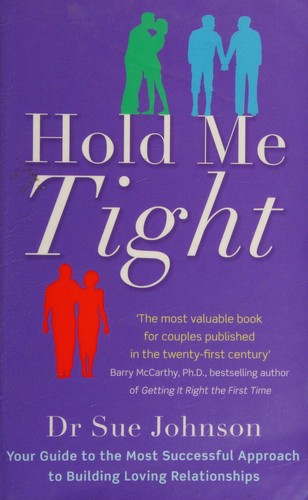
Johnson explains the science of attachment in adult love and offers seven conversations to strengthen a relationship. It’s warm and evidence-based.
2. Love Sense by Sue Johnson
A follow-up that explores how attachment, bonding and neuroscience explain romantic love. It’s more research-focused than Hold Me Tight.
3. Wired for Love by Stan Tatkin
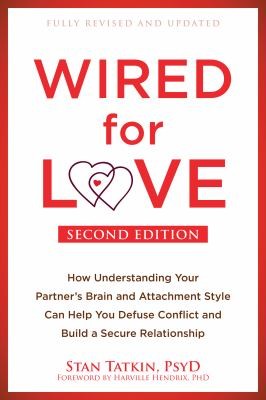
Tatkin, a couples therapist, uses neuroscience and attachment to explain how partners can create a secure relationship. It’s practical and easy to read.
4. The Seven Principles for Making Marriage Work by John M. Gottman
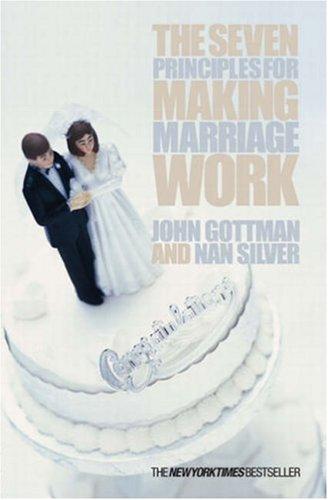
Gottman distills decades of research on couples into seven principles, such as building love maps and turning toward each other. It’s a classic.
5. Eight Dates by John M. Gottman and Julie Schwartz Gottman
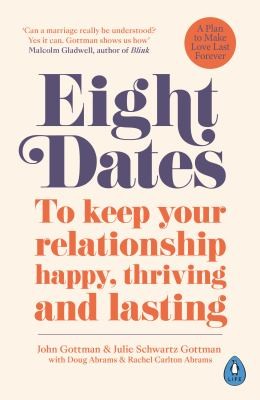
Eight conversation topics for couples, with questions and exercises. It’s an easy way to build intimacy.
6. Nonviolent Communication by Marshall B. Rosenberg
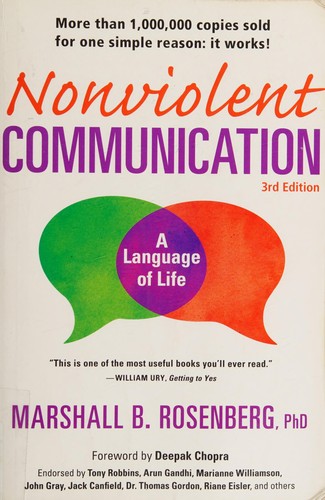
Rosenberg describes a method of communicating with empathy by separating observations from judgments. It’s widely used in therapy and mediation.
7. Set Boundaries, Find Peace by Nedra Glover Tawwab
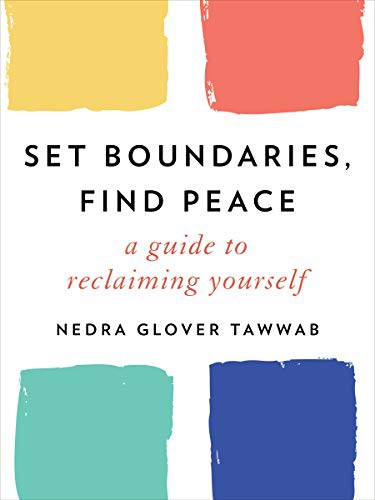
A therapist explains how to set and keep boundaries, with scripts and examples. It’s practical and easy to read.
8. Mating in Captivity by Esther Perel
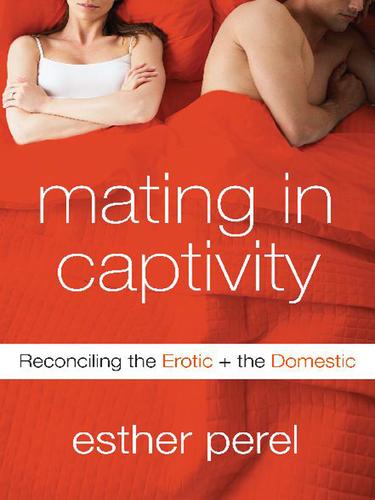
Perel explores why desire can fade in committed relationships and how to keep it alive. It’s insightful and sometimes provocative.
9. The State of Affairs by Esther Perel
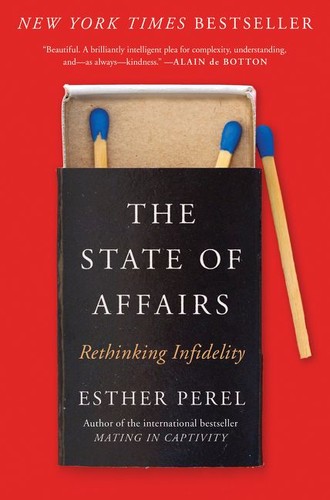
Perel examines why people cheat and how couples can heal, from a nonjudgmental view. It’s nuanced and thought-provoking.
10. Come as You Are by Emily Nagoski
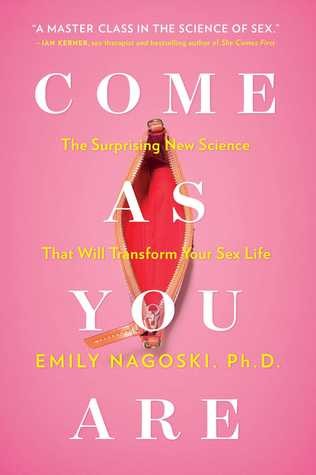
Nagoski explains the science of sexual response and encourages women to understand their own bodies. It’s scientific and kind.
11. Getting the Love You Want by Harville Hendrix
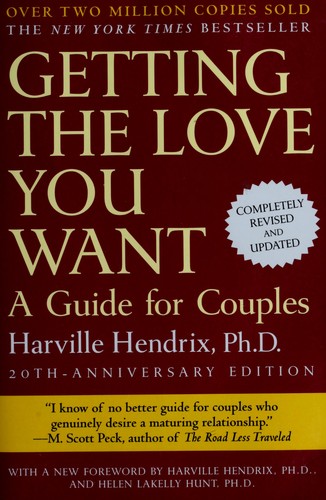
Hendrix describes how childhood experiences shape our choice of partners and offers exercises. It’s a long-running favorite.
12. How to Be an Adult in Relationships by David Richo
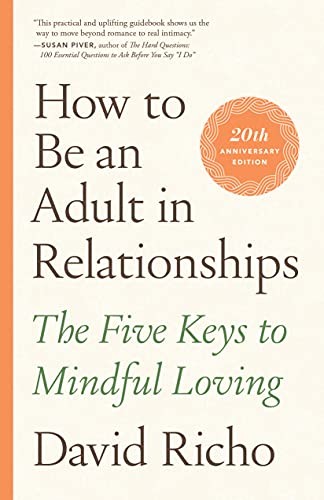
Richo describes the five A’s of mature loving: attention, acceptance, appreciation, affection and allowing. It’s brief and wise.
13. Adult Children of Emotionally Immature Parents by Lindsay C. Gibson
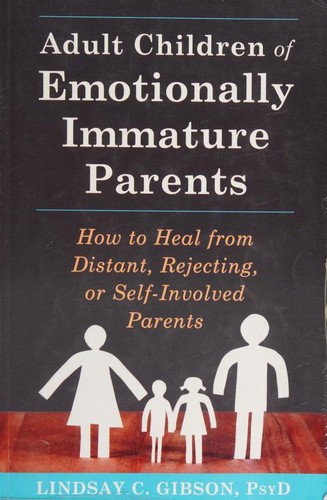
Gibson describes emotionally immature parenting and offers a way to heal and set boundaries. It’s practical and validating.
14. The Dance of Anger by Harriet Lerner
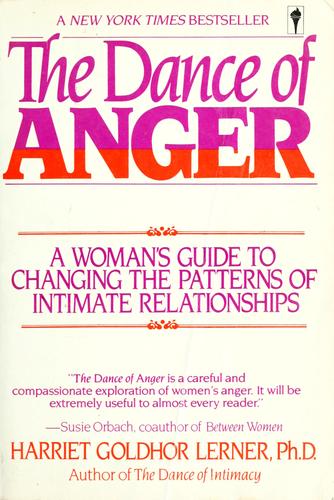
Lerner explains how women can use anger as a signal for change without losing connection. It’s a classic of relationship psychology.
15. Maybe You Should Talk to Someone by Lori Gottlieb
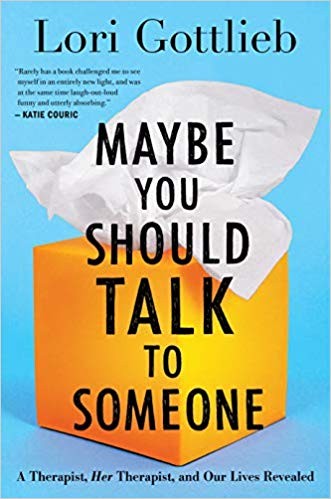
A therapist becomes a patient and shares stories about her clients and herself. It’s warm, funny and wise.
How to Pick Your Next Relationship Read
- Want couples tools? Hold Me Tight and The Seven Principles.
- Want to understand yourself? Wired for Love and Set Boundaries, Find Peace.
- Want communication skills? Nonviolent Communication.
- Want desire and intimacy? Mating in Captivity and Come as You Are.
- Want family patterns? Adult Children of Emotionally Immature Parents.
- Read together. Many couples read one chapter a week.
The Three Attachment Styles
In Attached, secure people are comfortable with intimacy and independence. Anxious people crave closeness and worry about being abandoned. Avoidant people value independence and may pull away when relationships get close. Researchers add a fourth style, fearful-avoidant, which mixes anxiety and avoidance. Each style is a pattern, not a diagnosis, and many people show different styles in different relationships. Knowing yours can help you communicate your needs, choose partners and ask for what you need.
Criticisms and Cautions
Some psychologists note that Attached simplifies attachment theory and that online quizzes can mislabel people. Attachment is influenced by many things, including culture, trauma and context, and styles can change over time. The book is a useful starting point, not a complete guide to compatibility. If you see yourself in the anxious or avoidant description, treat it as information rather than a verdict, and consider speaking with a therapist if patterns cause real distress.
Books for Couples and Singles
If you’re in a relationship, books such as Hold Me Tight and The Seven Principles for Making Marriage Work give practical tools for connection. If you’re single, books such as Wired for Love and Set Boundaries, Find Peace help you understand your own patterns before you start dating. For families, Adult Children of Emotionally Immature Parents looks at how parents shape adult relationships. Reading with a partner and talking about each chapter can be a gentle way to open hard conversations.
Communication Skills Worth Practicing
Many relationship problems come from how we speak under stress. Try pausing before you respond, naming your feeling and your need without blame, and asking your partner what they heard. Nonviolent Communication by Marshall Rosenberg offers a four-step model: observe, feel, need, request. Gottman’s research shows that couples who start conversations gently and repair quickly after conflicts tend to last. Practicing these skills in low-stakes moments makes them easier to use in difficult ones.
Healing Insecure Patterns
If you recognize insecure patterns, you can work toward earned security. This often involves being in a relationship with a safe, consistent person, doing therapy and learning to soothe yourself. Self-compassion helps: notice your reactions without judging them, and remind yourself that old fears are not the same as present danger. Small steps, such as telling a friend how you feel or asking for reassurance directly, build trust over time. Change is slow but real, and many readers report feeling calmer and more connected after months of practice.
Using the Book on Dates and With Friends
Some readers use Attached as a way to talk with partners about needs, asking questions such as how do you feel when I need space? Others share the concepts with friends to better understand their patterns. A word of caution: avoid using attachment labels as weapons or excuses. The aim is empathy and clearer communication, not diagnosing each other. If a conversation gets heated, take a break and return when you’re calm.
Questions to Reflect On After Reading
After finishing Attached, take a few minutes to reflect. Which style do you recognize in yourself, and which in past partners? When do you feel most secure, and what helps? What do you need in a relationship that you’ve found hard to ask for? Which habits, such as sending many messages when anxious or going quiet when overwhelmed, might you try to change? Writing short answers can reveal patterns, and sharing them with a trusted friend or counselor can turn insight into action. These reflections often matter more than the quiz results.
Related: books like The Body Keeps the Score and Nonviolent Communication summary and key takeaways.
Frequently Asked Questions
What book is most like Attached?
Hold Me Tight and Wired for Love are the closest matches in their use of attachment theory.
What are the attachment styles?
Secure, anxious, avoidant and, in some models, fearful-avoidant.
Can your attachment style change?
Yes. With supportive relationships and often therapy, many people move toward more secure patterns.
Is Attached scientifically accurate?
It’s based on real attachment research but simplifies it. Treat it as a starting point.
What should I read after Attached?
Try Hold Me Tight for couples or Set Boundaries, Find Peace for practical tools.