

Disclosure: As an Amazon Associate, Bookish Wisdom earns from qualifying purchases. This doesn’t change our picks or your price.
Quick answer: If you loved The Body Keeps the Score by Bessel van der Kolk, try What Happened to You? by Oprah Winfrey and Bruce D. Perry, Trauma and Recovery by Judith Herman, Waking the Tiger by Peter A. Levine, It Didn’t Start with You by Mark Wolynn, Complex PTSD: From Surviving to Thriving by Pete Walker and The Myth of Normal by Gabor Maté.
The Body Keeps the Score is psychiatrist Bessel van der Kolk’s landmark book on how trauma reshapes the brain and body, and how people can heal. Drawing on decades of clinical work and research, he explains why trauma survivors often feel trapped in the past and describes approaches from EMDR and yoga to neurofeedback and theater. The book spent years on bestseller lists and changed how many people talk about trauma. The picks below share its science, case stories and healing approaches. They are adult nonfiction on difficult topics, and they’re not a substitute for professional help.
Table of Contents
Why Readers Love The Body Keeps the Score
Readers love The Body Keeps the Score because it validates experiences they’ve struggled to name. Van der Kolk describes how traumatic memories can be stored as sensations and reactions, not just stories, which helps explain flashbacks, numbness and chronic tension. His case studies of veterans and abuse survivors make the science human, and his chapters on treatments give hope. The book also argues that trauma is not rare or a sign of weakness but a common human response. It has been influential for therapists, teachers and general readers alike.
How We Chose These Books
Every pick below shares at least one thing readers loved about The Body Keeps the Score: its characters, its mood, its setting or the questions it raises. We mixed well-known favorites with a few less obvious choices, and we noted the genre and who each book suits best in the table, so you can scan for the right fit before you read the blurbs.
We kept every description spoiler-free and flagged mature content where it matters, since some of these books are written for adults and others suit teens. If you’re not sure where to start, the tips near the end of this list match each pick to what you loved most. The FAQ at the bottom answers the questions readers ask most often.
Quick Picks at a Glance
| Book | Author | Type | Best For |
|---|---|---|---|
| What Happened to You? | Oprah Winfrey and Bruce D. Perry | Trauma and healing | A gentler, conversational start |
| Trauma and Recovery | Judith Herman | Clinical classic | The foundational text |
| Waking the Tiger | Peter A. Levine | Somatic healing | Body-focused healing |
| It Didn’t Start with You | Mark Wolynn | Family patterns | Inherited trauma |
| Complex PTSD: From Surviving to Thriving | Pete Walker | Self-help | Practical recovery steps |
| The Myth of Normal | Gabor Maté | Health | Society and trauma |
| When the Body Says No | Gabor Maté | Health | Stress and illness |
| Adult Children of Emotionally Immature Parents | Lindsay C. Gibson | Self-help | Family relationships |
| Running on Empty | Jonice Webb | Self-help | Childhood emotional neglect |
| Why Zebras Don’t Get Ulcers | Robert M. Sapolsky | Science | Stress and the body |
| The Deepest Well | Nadine Burke Harris | Medicine | Childhood adversity and health |
| Self-Compassion | Kristin Neff | Psychology | Gentleness toward yourself |
| Burnout | Emily Nagoski and Amelia Nagoski | Self-help | Completing the stress cycle |
| Maybe You Should Talk to Someone | Lori Gottlieb | Memoir | What therapy is like |
| Set Boundaries, Find Peace | Nedra Glover Tawwab | Self-help | Healthy relationships |
1. What Happened to You? by Oprah Winfrey and Bruce D. Perry
A dialogue between Oprah Winfrey and neuropsychiatrist Bruce Perry that shifts the question from what’s wrong with you to what happened to you. It’s accessible and compassionate.
2. Trauma and Recovery by Judith Herman
Herman describes the aftermath of violence, from abuse to war, and sets out three stages of recovery. It’s a landmark book and influenced van der Kolk.
3. Waking the Tiger by Peter A. Levine
Levine, the founder of Somatic Experiencing, argues that trauma is stored in the body and describes how to release it. It’s easy to read and offers exercises.
4. It Didn’t Start with You by Mark Wolynn
Wolynn explores how trauma can pass through generations and offers exercises to explore family history. It’s thought-provoking and practical.
5. Complex PTSD: From Surviving to Thriving by Pete Walker
A therapist and survivor describes complex trauma and how to heal from childhood abuse and neglect. It’s very practical and widely recommended by readers.
6. The Myth of Normal by Gabor Maté
Maté, a physician, links trauma to physical illness and argues that modern society makes us sick. It’s wide-ranging and sometimes controversial.
7. When the Body Says No by Gabor Maté
Maté explores how repressed emotions and chronic stress can contribute to disease. It’s compassionate, though some of its claims are debated.
8. Adult Children of Emotionally Immature Parents by Lindsay C. Gibson
Gibson describes emotionally immature parenting and offers a way to heal and set boundaries. It’s practical and validating.
9. Running on Empty by Jonice Webb
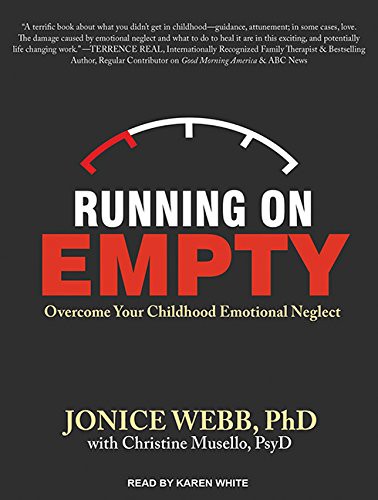
Webb explains emotional neglect, which is about what didn’t happen, and how to recognize and heal it. It’s gentle and clear.
10. Why Zebras Don’t Get Ulcers by Robert M. Sapolsky
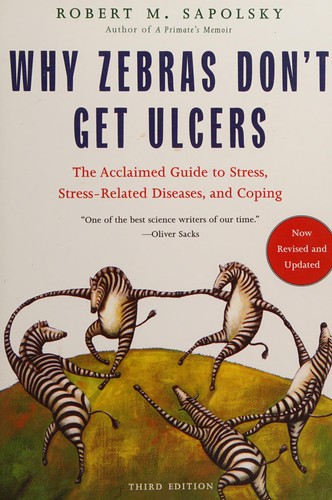
Sapolsky explains how chronic stress affects the body and mind, with humor and clarity. It’s a classic popular science book.
11. The Deepest Well by Nadine Burke Harris
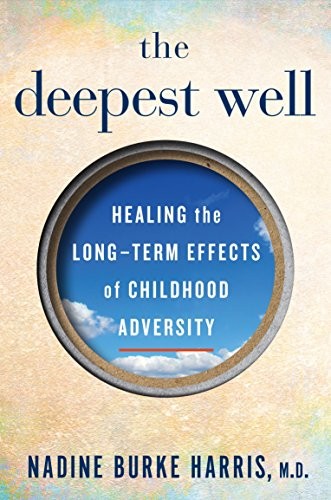
A pediatrician explains how adverse childhood experiences affect lifelong health, and what can be done. It’s compassionate and urgent.
12. Self-Compassion by Kristin Neff
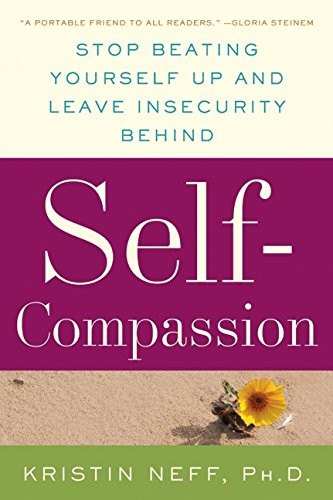
Neff explains why self-compassion is more powerful than self-criticism and offers exercises. It’s research-based and kind.
13. Burnout by Emily Nagoski and Amelia Nagoski
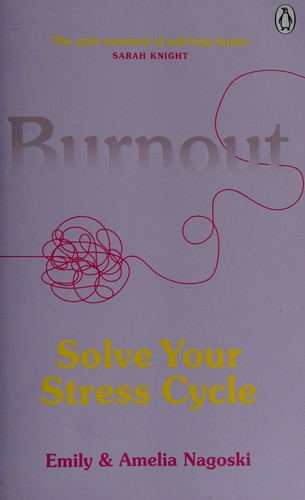
The sisters explain how stress works in the body and how to complete the stress cycle. It’s practical and funny.
14. Maybe You Should Talk to Someone by Lori Gottlieb
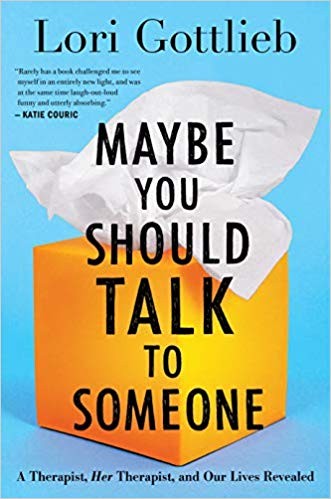
A therapist becomes a patient and shares stories about her clients and herself. It’s warm, funny and wise.
15. Set Boundaries, Find Peace by Nedra Glover Tawwab
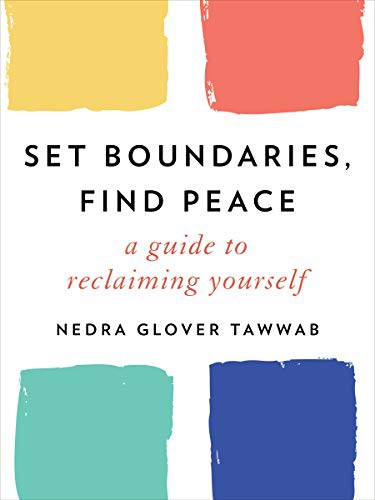
A therapist explains how to set and keep boundaries, with scripts and examples. It’s practical and easy to read.
How to Pick Your Next Healing Read
- Want an easy start? What Happened to You? and Running on Empty.
- Want the clinical classic? Trauma and Recovery.
- Want body-based tools? Waking the Tiger.
- Want practical steps? Complex PTSD and Set Boundaries, Find Peace.
- Want to understand stress? Why Zebras Don’t Get Ulcers and Burnout.
- Pair with professional help. Books support, but don’t replace, therapy.
Important Note on Safety and Support
Books about trauma can bring up painful memories. If you feel overwhelmed, pause and ground yourself by noticing your surroundings, breathing slowly or talking to someone you trust. Reading is not a replacement for therapy, and a licensed trauma-informed therapist can offer much more support. If you are in crisis, call or text 988 in the US to reach the 988 Suicide and Crisis Lifeline. In other countries, search for your local crisis line. You are not alone, and help is available.
Criticisms and Limits of the Book
The Body Keeps the Score is widely praised, but some researchers have raised concerns. They note that some of the claims about brain imaging and treatment effectiveness are stronger than the evidence, and that not every method he recommends is equally supported. The book is a valuable introduction and a source of ideas, but it is best read alongside other sources and in consultation with professionals. Reading books such as Trauma and Recovery and Complex PTSD offers additional perspectives that help you judge what resonates.
Types of Trauma Books
Trauma books fall into several types. Clinical overviews, such as Trauma and Recovery, explain the science and history. Self-help guides, such as Complex PTSD, offer practical steps for recovery. Body-based approaches, such as Waking the Tiger, focus on physical sensations. Family and generational perspectives, such as It Didn’t Start with You, explore inherited patterns. Memoirs, such as Maybe You Should Talk to Someone, show what therapy feels like. Choosing by type helps you find the book that fits your needs.
How Therapists Use These Books
Many therapists recommend trauma books to clients and use them to explain what’s happening. A book can provide language and reassurance between sessions, especially when it normalizes reactions such as hypervigilance or shutdown. Some therapists suggest reading slowly or choosing specific chapters. If you’re in therapy, ask your therapist which of these books they find helpful. If you aren’t, a book can be a first step toward seeking help, and a reminder that healing is possible.
Self-Care While Reading
Create a safe reading environment. Choose a comfortable place and time of day, keep water nearby and set a limit on how long you read at once. Notice your body as you read: if your heart races or you feel numb, take a break. Journaling, gentle movement or talking with a friend can help process what comes up. It’s perfectly fine to skip chapters or return later. Healing is not a race, and the pace that feels safe is the right pace.
Supporting Someone Else
Many readers pick up these books to understand a loved one’s experience. Listening without judgment, believing their story and respecting their pace are the most important things you can do. Avoid pushing them to talk before they’re ready. Books like What Happened to You? and Adult Children of Emotionally Immature Parents can help you understand how early experiences shape adults. Remember that caring for someone with trauma can be hard, and it’s okay to seek support for yourself too.
Related: best memoir books for book clubs and best literary fiction books for book clubs.
Frequently Asked Questions
What book is most like The Body Keeps the Score?
What Happened to You? is the most accessible companion, and Trauma and Recovery is the classic clinical text.
Is The Body Keeps the Score hard to read?
It’s thorough but readable, and it includes distressing case stories, so many readers go slowly.
Is The Body Keeps the Score scientifically accurate?
It’s influential, though some researchers say a few claims are stronger than the evidence. It’s best read as a starting point.
Should I read trauma books without a therapist?
Many people do, but if you feel overwhelmed, a licensed therapist can help. In a crisis, call or text 988 in the US.
What should I read after The Body Keeps the Score?
Try Complex PTSD for practical steps or Waking the Tiger for body-based approaches.