

Disclosure: As an Amazon Associate, Bookish Wisdom earns from qualifying purchases. This doesn’t change our picks or your price.
Quick answer: If you loved Man’s Search for Meaning by Viktor E. Frankl, try The Choice by Edith Eger, Tuesdays with Morrie by Mitch Albom, When Breath Becomes Air by Paul Kalanithi, The Diary of a Young Girl by Anne Frank, The Last Lecture by Randy Pausch and Letters from a Stoic by Seneca.
Man’s Search for Meaning is Viktor Frankl’s short account of his years in Nazi concentration camps, followed by an introduction to logotherapy, the school of psychology he founded. Frankl, a Viennese psychiatrist, observed that those who found a reason to live were more likely to survive, and he concluded that the main human drive is not pleasure or power but meaning. First published in 1946, the book has sold over ten million copies. The picks below share its themes of suffering, purpose and resilience. They include memoirs, philosophy and psychology, and many deal with death and trauma, so check content notes.
Table of Contents
Why Readers Love Man’s Search for Meaning
Readers love Man’s Search for Meaning because it is brief, honest and life-changing. Frankl’s descriptions of camp life are matter-of-fact rather than sensational, and his central message, that we can’t always choose our circumstances but we can choose our response, has comforted readers facing illness, loss and crisis. The book’s second half introduces ideas such as finding meaning through work, love and unavoidable suffering, which many therapists still teach. Because it is short, it’s often read in a single sitting and returned to many times.
How We Chose These Books
Every pick below shares at least one thing readers loved about Man’s Search for Meaning: its characters, its mood, its setting or the questions it raises. We mixed well-known favorites with a few less obvious choices, and we noted the genre and who each book suits best in the table, so you can scan for the right fit before you read the blurbs.
We kept every description spoiler-free and flagged mature content where it matters, since some of these books are written for adults and others suit teens. If you’re not sure where to start, the tips near the end of this list match each pick to what you loved most. The FAQ at the bottom answers the questions readers ask most often.
Quick Picks at a Glance
| Book | Author | Type | Best For |
|---|---|---|---|
| The Choice | Edith Eger | Memoir | A survivor and therapist |
| The Gift | Edith Eger | Self-help memoir | Practical wisdom from survival |
| Tuesdays with Morrie | Mitch Albom | Memoir | Lessons from a dying teacher |
| When Breath Becomes Air | Paul Kalanithi | Memoir | Facing mortality |
| The Happiness Hypothesis | Jonathan Haidt | Psychology | Ancient wisdom and science |
| Flow | Mihaly Csikszentmihalyi | Psychology | Absorbed, meaningful activity |
| Letters from a Stoic | Seneca | Philosophy | Ancient resilience |
| The Courage to Be Disliked | Ichiro Kishimi and Fumitake Koga | Philosophy | Freedom and responsibility |
| The Diary of a Young Girl | Anne Frank | Diary | A teenage voice in hiding |
| Option B | Sheryl Sandberg and Adam Grant | Self-help | Resilience after loss |
| Ikigai | Héctor García and Francesc Miralles | Self-help | Finding purpose |
| The Denial of Death | Ernest Becker | Psychology | A deeper, tougher read |
| The Last Lecture | Randy Pausch | Memoir | A short, cheerful goodbye |
| Maybe You Should Talk to Someone | Lori Gottlieb | Memoir | Stories of change |
| Unbroken | Laura Hillenbrand | Biography | Survival and forgiveness |
1. The Choice by Edith Eger
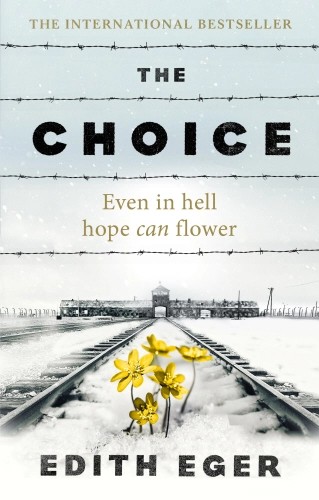
Eger survived Auschwitz as a teenager and became a clinical psychologist, and she describes how she learned to free herself from trauma. It’s moving, direct and strongly influenced by Frankl.
2. The Gift by Edith Eger
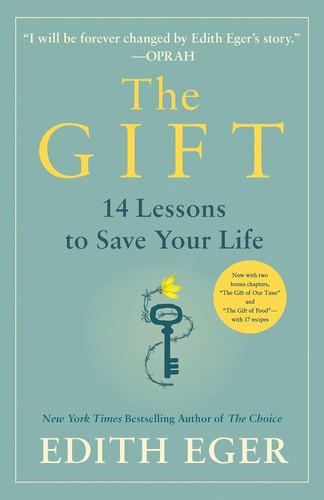
Eger’s follow-up offers twelve lessons for healing, drawn from her life and her patients. It’s warm and practical.
3. Tuesdays with Morrie by Mitch Albom
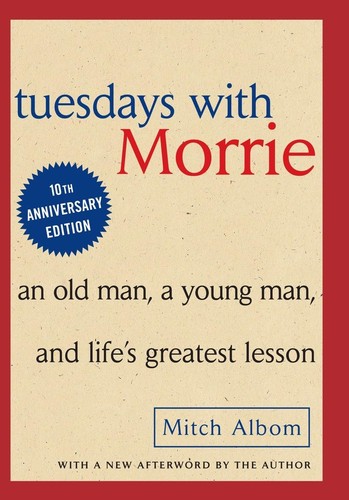
Albom visits his former professor, who is dying of ALS, every Tuesday and records their conversations about life. It’s simple and heartwarming.
4. When Breath Becomes Air by Paul Kalanithi
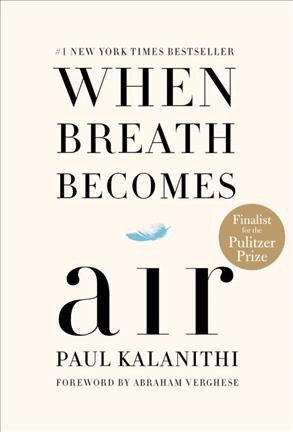
A young neurosurgeon is diagnosed with terminal cancer and writes about what makes life meaningful. It’s lyrical and heartbreaking.
5. The Happiness Hypothesis by Jonathan Haidt
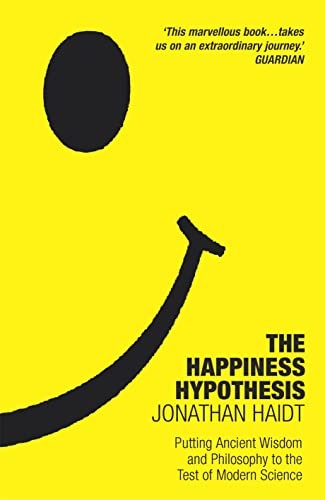
Haidt examines ten ideas from the world’s great thinkers and tests them against modern psychology. It’s thoughtful and readable.
6. Flow by Mihaly Csikszentmihalyi
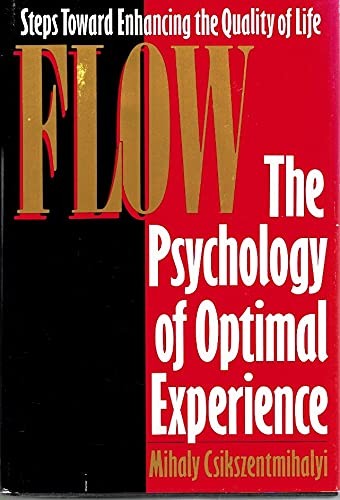
The psychologist who named flow explains how deeply engaging activities lead to happiness. It complements Frankl’s emphasis on purpose.
7. Letters from a Stoic by Seneca
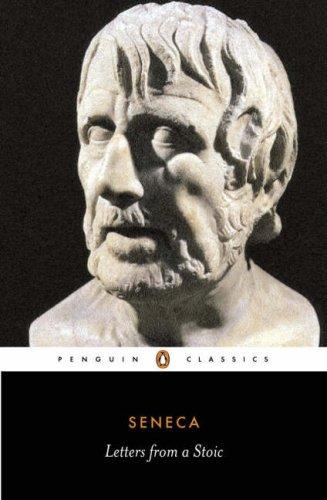
Seneca’s letters to a friend offer practical advice on facing adversity, time and death. They’re short, direct and still fresh.
8. The Courage to Be Disliked by Ichiro Kishimi and Fumitake Koga
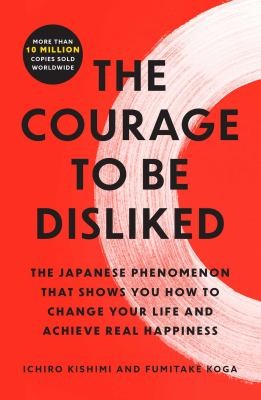
A dialogue between a philosopher and a young man about Adlerian psychology, which holds that we are not determined by our past. It’s conversational and provocative.
9. The Diary of a Young Girl by Anne Frank
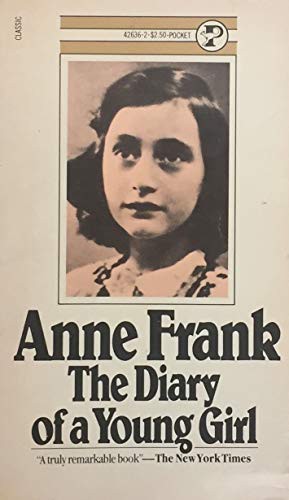
Anne Frank’s diary of the two years her family spent hiding from the Nazis in Amsterdam. It’s one of the most-read books about the Holocaust.
10. Option B by Sheryl Sandberg and Adam Grant
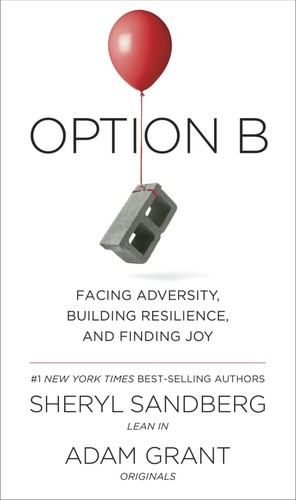
After the sudden death of her husband, Sandberg writes with psychologist Adam Grant about how to build resilience. It’s honest and practical. Content note: grief.
11. Ikigai by Héctor García and Francesc Miralles
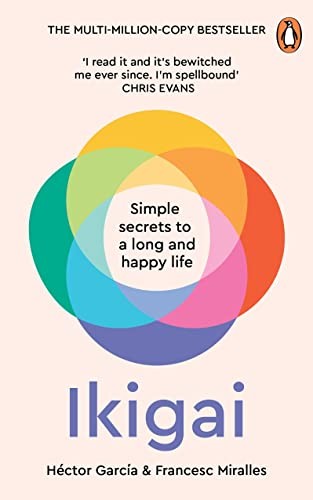
A short book about the Japanese concept of ikigai and the habits of long-lived people in Okinawa. It’s simple and gentle.
12. The Denial of Death by Ernest Becker
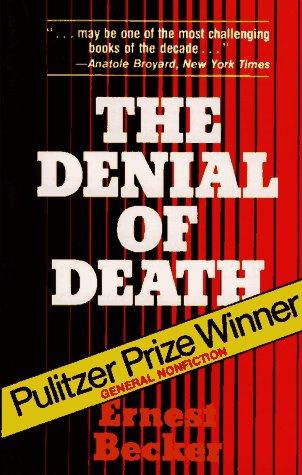
Becker argues that much human behavior is driven by the fear of death. It won a Pulitzer Prize and is dense but influential.
13. The Last Lecture by Randy Pausch
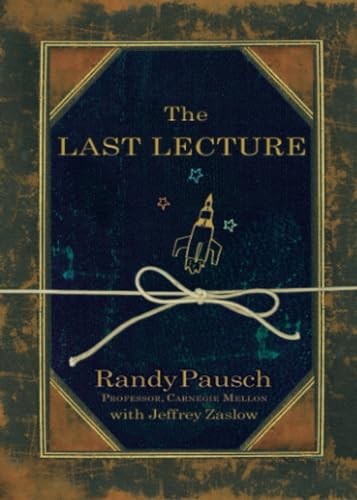
A computer science professor with terminal cancer gives a final lecture about achieving childhood dreams and then turns it into a book. It’s uplifting and moving.
14. Maybe You Should Talk to Someone by Lori Gottlieb
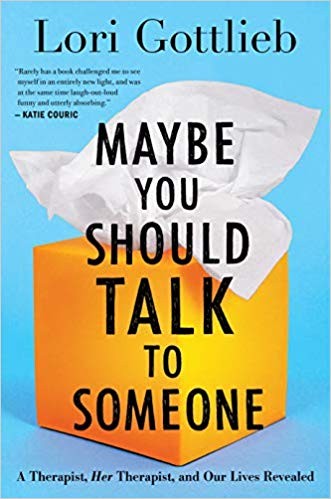
A therapist becomes a patient and shares stories about her clients and herself. It’s warm, funny and wise.
15. Unbroken by Laura Hillenbrand
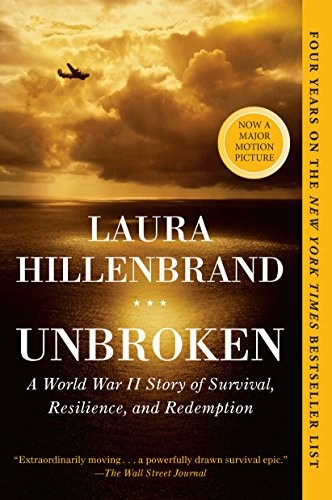
Louis Zamperini survives a plane crash, a raft and prison camps in World War II and later finds forgiveness. It’s inspiring and harrowing.
How to Pick Your Next Read After Man’s Search for Meaning
- Want survivor memoirs? The Choice and The Diary of a Young Girl.
- Want warm, short reads? Tuesdays with Morrie and The Last Lecture.
- Want philosophy? Letters from a Stoic and The Courage to Be Disliked.
- Want psychology? Flow and The Happiness Hypothesis.
- Want grief and loss? When Breath Becomes Air and Option B.
- Pace yourself. Alternate heavy and light reads.
What Is Logotherapy?
Logotherapy, from the Greek logos meaning meaning, is Frankl’s approach to psychology. It holds that the main motivation of human beings is the search for meaning, and that therapy can help people find it even in suffering. Frankl suggested three ways to find meaning: by creating a work or doing a deed, by experiencing something or loving someone, and by the attitude we take toward unavoidable suffering. Counselors and coaches still use these ideas, and several books on this list, such as The Choice, are shaped by them.
A Note on Content
Man’s Search for Meaning describes starvation, brutality and death in concentration camps. Books on this list, such as The Diary of a Young Girl and The Choice, also discuss the Holocaust, while When Breath Becomes Air and The Last Lecture deal with terminal illness and the death of a parent. If you’re feeling fragile, choose a gentler title such as Flow or The Happiness Hypothesis first. If you or someone you know is struggling, you can call or text 988 to reach the 988 Suicide and Crisis Lifeline in the US.
Books on Resilience Across Genres
Frankl’s themes appear in many kinds of books. Memoirs like The Choice show real survival. Philosophical works such as Letters from a Stoic offer a long tradition of coping with hardship. Psychology books such as The Happiness Hypothesis and Flow examine what makes life worth living. Readers often find that mixing genres keeps the subject fresh: a personal story, a philosophical essay and a research summary each offer a different angle on the same question.
How to Read Heavy Books Well
Books about suffering can be draining, so pace yourself. Read in short sessions, and take notes on passages that move you. Talk with someone about what you read, since discussion helps process emotion. Balance heavy books with lighter ones, perhaps a funny memoir or a nature book. And remember that finishing is not the goal: if a book becomes too much, set it down. Frankl himself emphasized that choosing your attitude includes choosing what you can handle.
Book Club Questions for Man’s Search for Meaning
Good questions include: What does Frankl mean when he says everything can be taken from a person but the last of the human freedoms? How did the prisoners find meaning in small things? Do you agree that meaning is more important than happiness? How does the second half of the book change your view of the first? What would you say to someone who feels their life has no meaning? Because the book is short, groups can finish it and discuss it in one meeting.
Reading Frankl’s Other Work
If you want more, Frankl wrote many other books, including The Doctor and the Soul, The Will to Meaning and Man’s Search for Ultimate Meaning, though some of these touch on religion and spirituality, so read descriptions first. Many readers find the original short book enough, and instead explore related authors such as Irvin Yalom, whose books on existential therapy, like Love’s Executioner, tell stories of patients facing death and meaning. Podcasts and lectures about logotherapy are also available from universities and institutes.
Related: The Obstacle Is the Way summary and key takeaways and books like The Psychology of Money.
Frequently Asked Questions
What book is most like Man’s Search for Meaning?
The Choice by Edith Eger is the closest, with Tuesdays with Morrie and When Breath Becomes Air as good companions on meaning and mortality.
What is the main message of Man’s Search for Meaning?
That the primary human drive is the search for meaning, and that we can find it even in suffering by choosing our attitude.
Is Man’s Search for Meaning hard to read?
It’s short and clearly written, but the subject matter is heavy.
Is Man’s Search for Meaning appropriate for teens?
It’s often read in high school, though it contains disturbing descriptions of camp life.
What should I read after Man’s Search for Meaning?
Try The Choice for a similar survivor story, or Flow for a more upbeat look at meaning.