

Disclosure: As an Amazon Associate, Bookish Wisdom earns from qualifying purchases. This doesn’t change our picks or your price.
Quick answer: If you loved The 7 Habits of Highly Effective People by Stephen R. Covey, try How to Win Friends and Influence People by Dale Carnegie, Atomic Habits by James Clear, Essentialism by Greg McKeown, Mindset by Carol S. Dweck, Drive by Daniel H. Pink and The Power of Habit by Charles Duhigg.
The 7 Habits of Highly Effective People is one of the best-selling business books of all time, with tens of millions of copies sold since its 1989 release. Stephen Covey argues that lasting success comes from character, not quick tricks, and he lays out seven habits that move a person from dependence to independence to interdependence, from being proactive and beginning with the end in mind to seeking first to understand and sharpening the saw. The picks below share its focus on principles, personal responsibility, leadership and long-term growth. They are adult nonfiction and mostly practical.
Table of Contents
Why Readers Love The 7 Habits of Highly Effective People
Readers love The 7 Habits because it feels both timeless and usable. Covey’s framework is simple to remember, and each habit comes with stories and exercises, including the time-management matrix that sorts tasks into urgent and important. Instead of promising overnight change, the book insists that you build character first and skills second, which resonates with readers tired of hacks. It also covers relationships, with ideas like the emotional bank account and win-win thinking. Many people reread it every few years and notice different lessons at different stages of life.
How We Chose These Books
Every pick below shares at least one thing readers loved about The 7 Habits of Highly Effective People: its characters, its mood, its setting or the questions it raises. We mixed well-known favorites with a few less obvious choices, and we noted the genre and who each book suits best in the table, so you can scan for the right fit before you read the blurbs.
We kept every description spoiler-free and flagged mature content where it matters, since some of these books are written for adults and others suit teens. If you’re not sure where to start, the tips near the end of this list match each pick to what you loved most. The FAQ at the bottom answers the questions readers ask most often.
Quick Picks at a Glance
| Book | Author | Type | Best For |
|---|---|---|---|
| How to Win Friends and Influence People | Dale Carnegie | Self-help | Relationships and influence |
| First Things First | Stephen R. Covey | Time management | Priorities and values |
| The 8th Habit | Stephen R. Covey | Leadership | The sequel |
| Atomic Habits | James Clear | Self-help | Small habits, big results |
| Essentialism | Greg McKeown | Productivity | Focusing on what matters |
| The Compound Effect | Darren Hardy | Self-help | Small choices over time |
| Mindset | Carol S. Dweck | Psychology | Growth and learning |
| Drive | Daniel H. Pink | Motivation | What truly motivates us |
| Getting Things Done | David Allen | Productivity | Organizing tasks |
| Start with Why | Simon Sinek | Leadership | Purpose and inspiration |
| Good to Great | Jim Collins | Business | Research-based leadership |
| Dare to Lead | Brené Brown | Leadership | Courage and empathy |
| Principles | Ray Dalio | Business | Life and work rules |
| Emotional Intelligence | Daniel Goleman | Psychology | Empathy and self-awareness |
| The Power of Habit | Charles Duhigg | Psychology | How habits work |
1. How to Win Friends and Influence People by Dale Carnegie
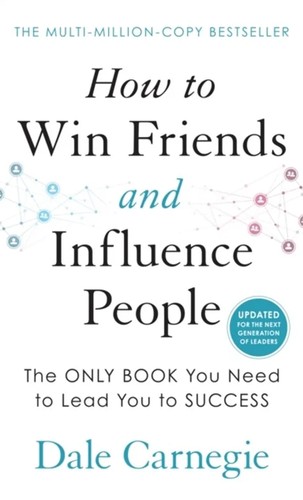
Carnegie’s 1936 classic teaches how to build relationships through genuine interest, listening and appreciation. It’s the earlier cousin of Covey’s win-win thinking.
2. First Things First by Stephen R. Covey
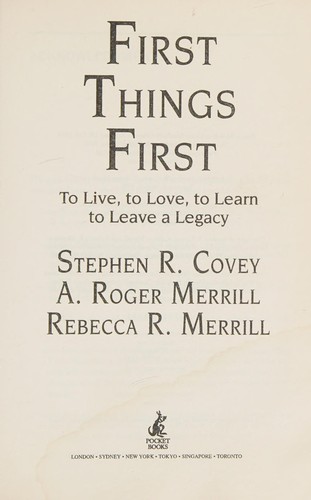
Covey and his co-authors expand the idea of putting first things first, arguing that time management is really about living by what matters. It’s a good companion to the seven habits.
3. The 8th Habit by Stephen R. Covey
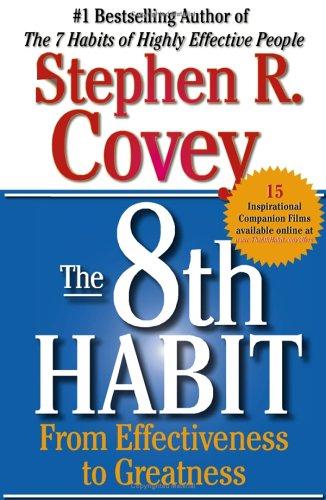
Covey’s follow-up focuses on finding your voice and inspiring others, for individuals and organizations. It’s long and more focused on work and leadership.
4. Atomic Habits by James Clear
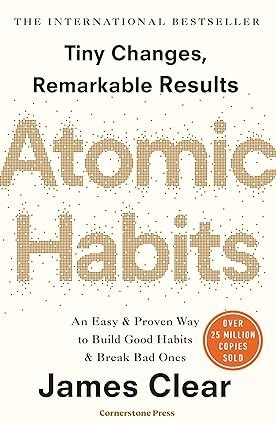
Clear explains how tiny daily changes compound and offers practical steps for building good habits and breaking bad ones. It’s the best-known modern habit book.
5. Essentialism by Greg McKeown
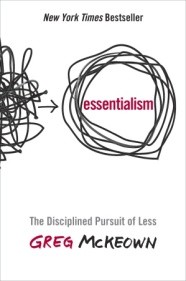
McKeown makes the case for doing less but better, and gives a method for deciding what’s essential. It echoes Covey’s put first things first.
6. The Compound Effect by Darren Hardy
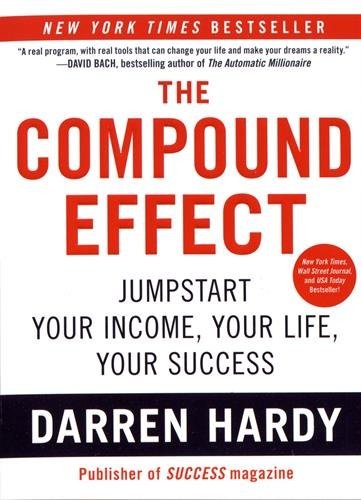
Hardy shows how small, smart choices repeated over time lead to big changes. It’s short and motivational.
7. Mindset by Carol S. Dweck
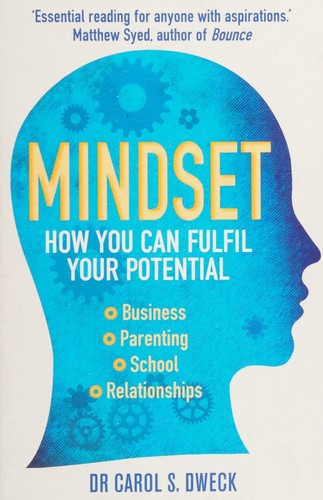
Psychologist Dweck explains the difference between fixed and growth mindsets and how they shape success. It’s research-based and widely used in schools.
8. Drive by Daniel H. Pink
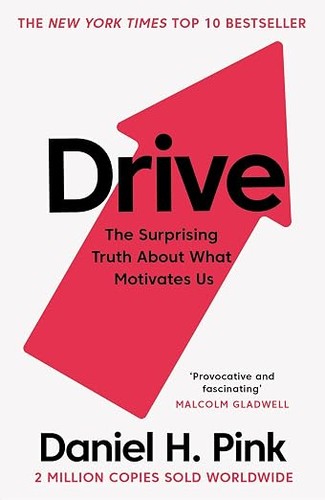
Pink argues that autonomy, mastery and purpose motivate people better than carrots and sticks. It’s clear and influential.
9. Getting Things Done by David Allen

Allen’s system for capturing, clarifying and organizing tasks to reduce mental clutter. It complements Covey’s priorities.
10. Start with Why by Simon Sinek
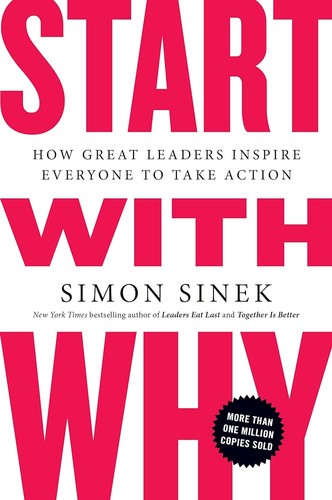
Sinek argues that great leaders and organizations start with why they do what they do, before how or what. It’s popular and often discussed.
11. Good to Great by Jim Collins
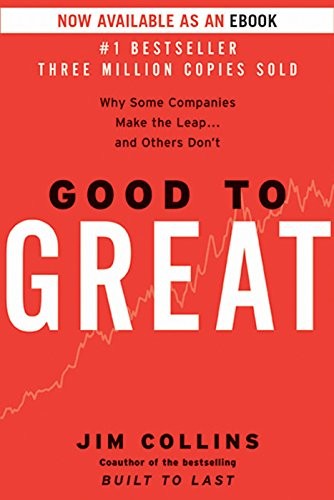
Collins and his team study companies that made a leap in performance, and identify common traits such as humble leaders and a disciplined culture. It’s a staple of business reading.
12. Dare to Lead by Brené Brown
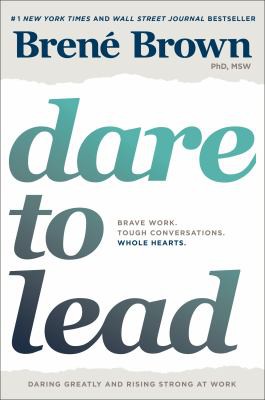
Brown applies her research on vulnerability to leadership and offers practical skills. It’s warm and practical.
13. Principles by Ray Dalio
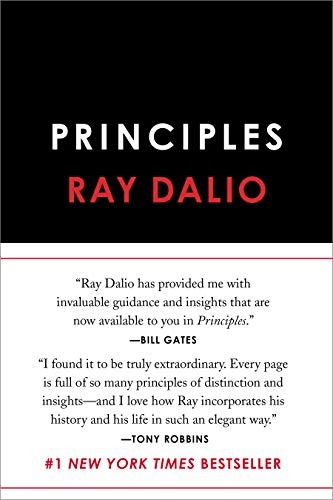
The founder of Bridgewater Associates shares the principles that guided his life and company. It’s long and opinionated but full of ideas.
14. Emotional Intelligence by Daniel Goleman
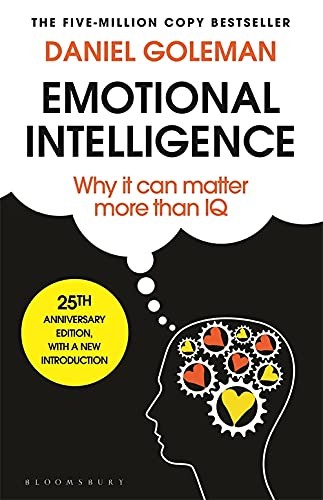
Goleman argues that emotional skills matter as much as IQ for success and describes how to build them. It echoes Covey’s seek first to understand.
15. The Power of Habit by Charles Duhigg
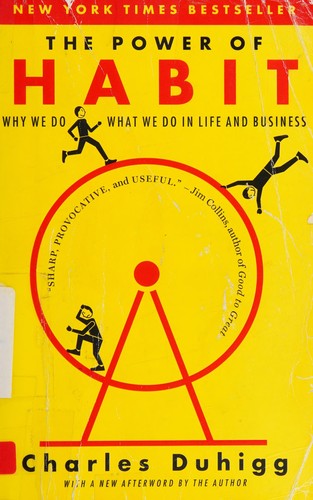
Duhigg explains the habit loop of cue, routine and reward, with stories from sports, business and daily life. It’s readable and full of examples.
How to Pick Your Next Self-Improvement Read After The 7 Habits
- Want more Covey? First Things First and The 8th Habit.
- Want to build routines? Atomic Habits and The Power of Habit.
- Want relationships? How to Win Friends and Influence People.
- Want focus? Essentialism and Getting Things Done.
- Want leadership? Good to Great and Dare to Lead.
- Want motivation? Drive and Mindset.
The Seven Habits in Brief
The seven habits are: be proactive, begin with the end in mind, put first things first, think win-win, seek first to understand then to be understood, synergize, and sharpen the saw. The first three focus on private victory, or mastering yourself. The next three focus on public victory, or working with others. The seventh is about renewal across body, mind, heart and spirit. Covey later added an eighth habit, find your voice and inspire others to find theirs, in The 8th Habit. Knowing the structure makes it easier to see which of the books on this list fits each habit.
How to Read The 7 Habits Without Getting Overwhelmed
The book is long and layered, so approach it in stages. Read one habit at a time over seven weeks and practice it before moving on. Keep a notebook, and write down one concrete action for each habit, such as planning your week on Sunday for habit three or listening without interrupting for habit five. Use the time-management matrix to review your calendar. If you prefer a lighter format, the shorter 7 Habits of Highly Effective Teens or the illustrated edition can serve as an introduction.
Modern Habit Books vs. Principle-Based Books
Covey’s approach differs from many modern habit books. Atomic Habits and The Power of Habit focus on mechanics: cues, routines, rewards and tiny steps. The 7 Habits focuses on values and principles, such as integrity and fairness, and argues that habits flow from character. Reading both gives you a full toolkit: principles to decide what matters, and methods to make it happen. Many readers start with Covey to define their goals, then use Clear or Duhigg to build the daily routines that support them.
Leadership Books Worth Pairing
If you read The 7 Habits for leadership ideas, pair it with books about teams and organizations. Good to Great by Jim Collins looks at what made certain companies excel. Dare to Lead by Brené Brown explores courageous leadership. Start with Why by Simon Sinek explains how purpose inspires action. Principles by Ray Dalio shares one investor’s life and work rules. Each brings a different style, from research to personal stories, and together they show how character and systems shape results.
Using the Book in Teams and Book Clubs
Many companies and schools use The 7 Habits as a shared language. Teams might study one habit a month and discuss how it applies to current projects. Book clubs can focus on questions such as: Which habit do you practice well? Which is hardest? What does proactive mean in your work? Sharing real examples builds trust and makes the ideas stick. If you’re leading a discussion, consider starting with the habits quiz in many editions, which helps people reflect before debating.
A Note on Critiques
Some critics find The 7 Habits dated, long-winded or too focused on corporate language. Others note that Covey’s principles carry the flavor of his own background and values. These criticisms are fair, and worth keeping in mind. Still, the core ideas, such as taking responsibility and listening before speaking, have stood up well. Reading the book critically, taking what’s useful and leaving what isn’t, is a good approach, and the books on this list offer alternative or updated perspectives on the same questions.
Related: books like Atomic Habits and summaries of the best self-help books ever written.
Frequently Asked Questions
What book is most like The 7 Habits of Highly Effective People?
First Things First by Covey is the closest, and How to Win Friends and Influence People and Atomic Habits are the most popular companions.
What are the 7 habits?
Be proactive, begin with the end in mind, put first things first, think win-win, seek first to understand, synergize and sharpen the saw.
Is The 7 Habits still relevant?
Yes. Its focus on responsibility, priorities and listening remains useful, though some examples feel dated.
Is there a teen version?
Yes. The 7 Habits of Highly Effective Teens by Sean Covey adapts the ideas for younger readers.
What should I read after The 7 Habits?
Try Atomic Habits for practical routines, or Essentialism for focus.