

Disclosure: As an Amazon Associate, Bookish Wisdom earns from qualifying purchases. This doesn’t change our picks or your price.
Quick answer: If you loved Deep Work by Cal Newport, try Digital Minimalism by Cal Newport, Indistractable by Nir Eyal, Essentialism by Greg McKeown, Four Thousand Weeks by Oliver Burkeman, Stolen Focus by Johann Hari and Flow by Mihaly Csikszentmihalyi.
Deep Work argues that the ability to focus without distraction on cognitively demanding tasks is becoming rare at exactly the time it’s becoming valuable. Cal Newport, a computer science professor at Georgetown, distinguishes deep work from shallow work such as email and meetings, and offers four strategies for building a deep-work habit, from monastic scheduling to rhythmic routines. The book has become a classic for knowledge workers who feel pulled apart by notifications. The picks below share its focus on attention, priorities and meaningful work. They are adult nonfiction, with practical suggestions.
Table of Contents
Why Readers Love Deep Work
Readers love Deep Work because it names a problem they feel. Newport shows how email, open offices and social media break our attention into fragments, and that the people who can concentrate will do better work in less time. He backs his argument with examples from writers, scientists and executives, and with research on attention and learning. The book is practical, with specific rules such as scheduling every minute, quitting social media for a month and embracing boredom. Many readers say the book helped them reclaim hours each week.
How We Chose These Books
Every pick below shares at least one thing readers loved about Deep Work: its characters, its mood, its setting or the questions it raises. We mixed well-known favorites with a few less obvious choices, and we noted the genre and who each book suits best in the table, so you can scan for the right fit before you read the blurbs.
We kept every description spoiler-free and flagged mature content where it matters, since some of these books are written for adults and others suit teens. If you’re not sure where to start, the tips near the end of this list match each pick to what you loved most. The FAQ at the bottom answers the questions readers ask most often.
Quick Picks at a Glance
| Book | Author | Type | Best For |
|---|---|---|---|
| Digital Minimalism | Cal Newport | Productivity | More Cal Newport |
| Indistractable | Nir Eyal | Productivity | Managing distraction |
| Essentialism | Greg McKeown | Productivity | Doing less, better |
| Four Thousand Weeks | Oliver Burkeman | Time management | A new view of time |
| Stolen Focus | Johann Hari | Attention | Why attention is breaking |
| Flow | Mihaly Csikszentmihalyi | Psychology | The joy of absorption |
| Slow Productivity | Cal Newport | Productivity | A calmer approach |
| A World Without Email | Cal Newport | Productivity | Rethinking work communication |
| So Good They Can’t Ignore You | Cal Newport | Career | Skill over passion |
| Peak | Anders Ericsson and Robert Pool | Expertise | Deliberate practice |
| Make Time | Jake Knapp and John Zeratsky | Productivity | Practical daily experiments |
| Getting Things Done | David Allen | Productivity | Organizing tasks |
| The One Thing | Gary Keller and Jay Papasan | Productivity | Focus on the key task |
| Eat That Frog! | Brian Tracy | Productivity | Tackling hard tasks first |
| Drive | Daniel H. Pink | Motivation | What motivates us |
1. Digital Minimalism by Cal Newport
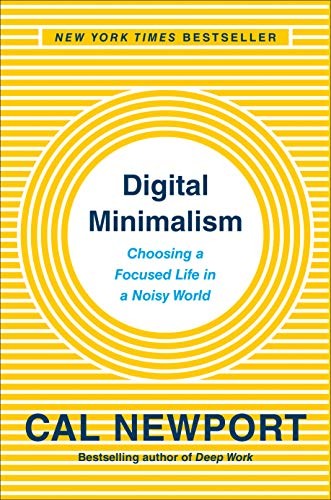
Newport argues for a philosophy of technology use in which you adopt tools only if they clearly support your values, and proposes a thirty-day digital declutter. It pairs well with Deep Work.
2. Indistractable by Nir Eyal
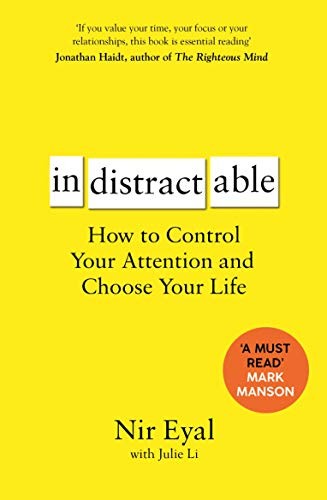
Eyal explains why we get distracted and offers a four-part model to control attention, including making time for traction and hacking back external triggers. It’s practical and clearly written.
3. Essentialism by Greg McKeown
McKeown makes a case for deliberately focusing on the few things that matter most and saying no to the rest. It’s short, clear and persuasive.
4. Four Thousand Weeks by Oliver Burkeman
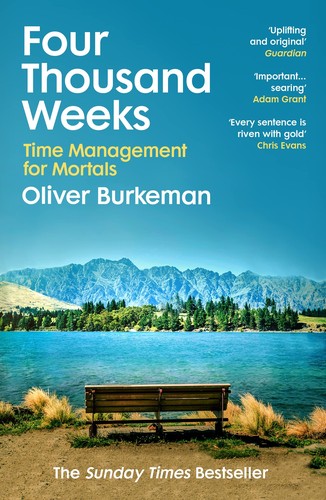
Burkeman argues that the average lifespan is about four thousand weeks and that accepting our limits can free us from the productivity trap. It’s funny and humane.
5. Stolen Focus by Johann Hari
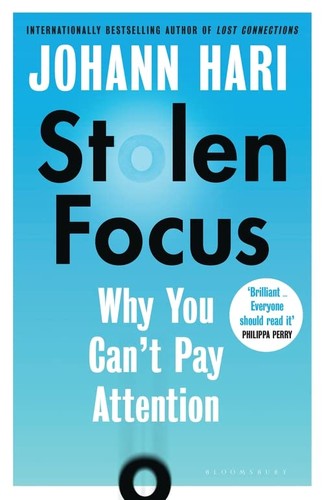
Hari investigates why our ability to focus has collapsed, covering technology, sleep, diet and stress. It’s a wide-ranging, personal and sometimes alarming look at the problem.
6. Flow by Mihaly Csikszentmihalyi
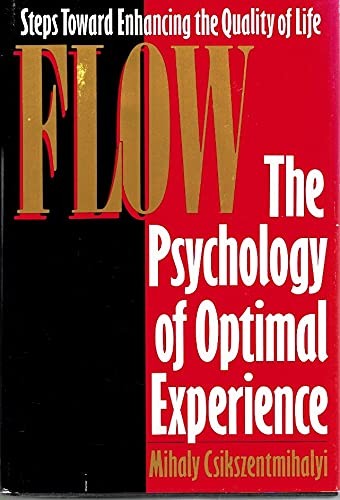
The psychologist who named flow describes the state of complete absorption in a challenging activity and how to create it. It’s a classic of positive psychology.
7. Slow Productivity by Cal Newport
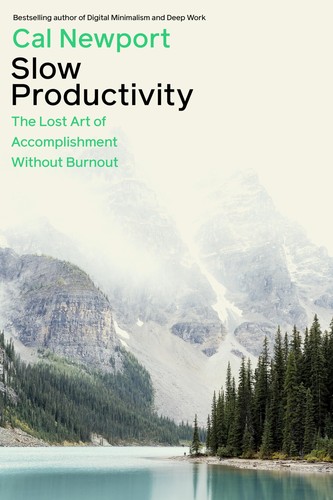
Newport proposes three principles, do fewer things, work at a natural pace and obsess over quality, as an alternative to constant busyness. It’s short and encouraging.
8. A World Without Email by Cal Newport
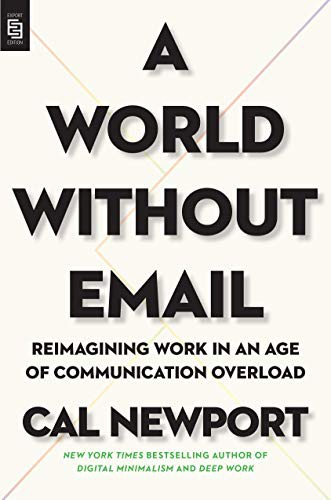
Newport shows how the hyperactive hive mind of email and chat slows work and offers ideas for better systems. It’s useful for managers and teams.
9. So Good They Can’t Ignore You by Cal Newport
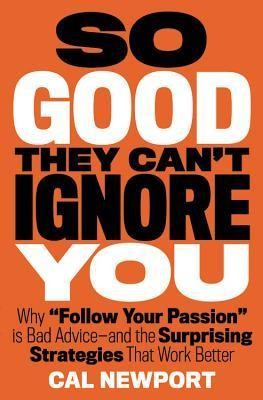
Newport argues that passion follows mastery, and that career capital matters more than following your passion. It’s a thoughtful alternative to common advice.
10. Peak by Anders Ericsson and Robert Pool
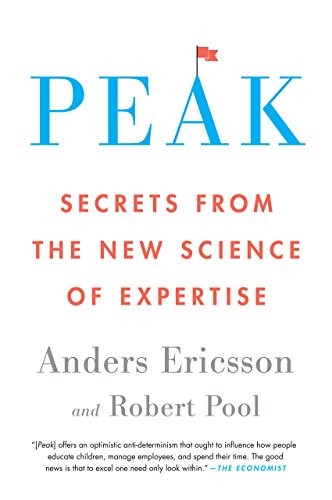
Ericsson, the psychologist behind the 10,000-hour idea, explains what deliberate practice is and how experts improve. It’s rigorous and practical.
11. Make Time by Jake Knapp and John Zeratsky
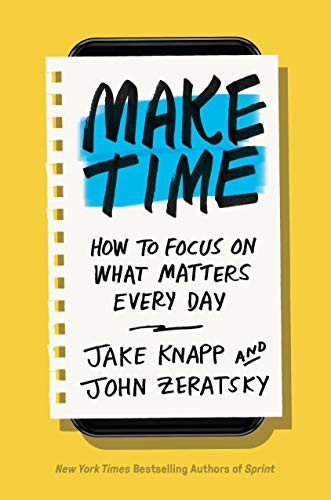
The designers of the Google Ventures design sprint offer a menu of tactics for choosing a daily highlight and protecting attention. It’s playful and flexible.
12. Getting Things Done by David Allen

Allen’s system for capturing, clarifying and organizing tasks to reduce mental clutter. It’s a classic of personal productivity.
13. The One Thing by Gary Keller and Jay Papasan
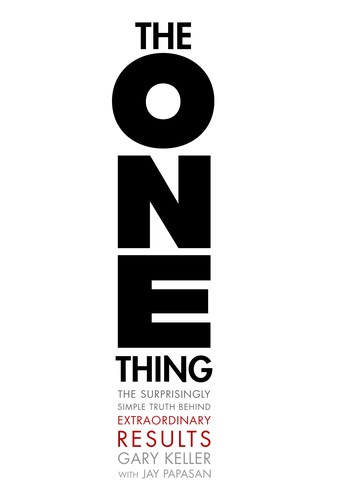
The authors argue that success comes from focusing on one thing at a time, and explain how to choose it. It’s short and motivating.
14. Eat That Frog! by Brian Tracy
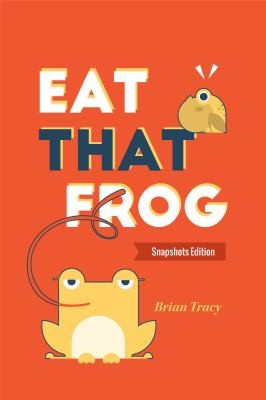
A short collection of 21 methods for beating procrastination, centered on doing your most important task first. It’s quick and practical.
15. Drive by Daniel H. Pink
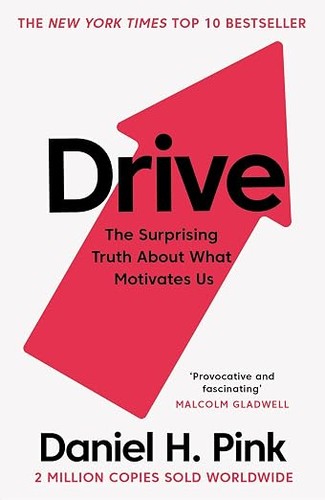
Pink explains that autonomy, mastery and purpose drive motivation better than rewards. It’s clear and influential.
How to Pick Your Next Focus and Productivity Read
- Want more Cal Newport? Digital Minimalism and Slow Productivity.
- Want to manage distractions? Indistractable.
- Want to prioritize? Essentialism and The One Thing.
- Want a calmer view? Four Thousand Weeks.
- Want the science of attention? Stolen Focus and Flow.
- Want quick tactics? Make Time and Eat That Frog!
What Counts as Deep Work?
Newport defines deep work as professional activities performed in a state of distraction-free concentration that push cognitive abilities to their limit. Examples include writing a report, designing a system, studying a hard subject or composing music. Shallow work includes answering email, scheduling meetings and routine tasks that do not create new value. Both matter, but Newport argues that most knowledge workers spend too much time on the latter. A simple test is to ask whether a new employee could do the task with little training. If so, it’s probably shallow.
Four Deep Work Philosophies
Deep Work lays out four ways to build the habit. The monastic approach removes shallow tasks entirely and suits writers or researchers. The bimodal approach splits time into deep and shallow periods, such as a few days a week. The rhythmic approach sets a daily time block, which is often the easiest for beginners. The journalistic approach fits deep work into any gap in your day, which takes practice. Choosing the one that matches your job and personality is the first step. You can switch as your circumstances change.
Quick Wins for Focus
If you want to try the ideas right away, start with small steps. Turn off notifications for an hour, put your phone in another room, and write down a single task for that block. Use a timer, and take a short break afterward. Keep a shutdown ritual at the end of the day, such as reviewing tomorrow’s plan and saying a phrase like shutdown complete. These habits, drawn from Newport and others, take little time and build up over weeks. The aim isn’t to work more, but to work with fuller attention for shorter periods.
Focus Beyond Productivity
Several books on this list argue that focus is about more than output. Four Thousand Weeks reminds us that our time is limited and that trying to do everything is a trap. Stolen Focus shows how attention is shaped by sleep, diet, technology and stress, and suggests changes at the social level. Flow describes the joy of being absorbed in a challenging task. Reading these alongside Deep Work helps keep productivity in perspective: the goal is a life with attention for what matters, not just more tasks completed.
A Sample Deep Work Schedule
Here is one way to start: choose a time of day when you have the most energy and protect ninety minutes for one task. Silence your phone and close email before you begin. Work for the full block, then take a ten-minute break to walk or stretch. If ninety minutes is too long, start with forty-five. After a few weeks, add a second block. Schedule shallow tasks, such as email and errands, into set windows later in the day. Many readers find that even one deep session a day makes a noticeable difference in what they finish.
Common Obstacles and How to Handle Them
The biggest obstacles to deep work are interruptions, a culture of instant replies and your own urge to check things. Tell colleagues when you’ll be available and when you won’t. Use a visible sign, headphones or a closed door to show you’re focused. If your job requires constant responsiveness, negotiate small blocks of protected time. For the internal urge to check, practice noticing it and returning to the task, much as you would in meditation. Over weeks, your tolerance for focus grows, just as a muscle does with exercise.
Related: Digital Minimalism summary and key takeaways and Four Thousand Weeks summary and key takeaways.
Frequently Asked Questions
What book is most like Deep Work?
Digital Minimalism by Cal Newport is closest. Indistractable and Essentialism are the most popular companions.
What is deep work?
Deep work is focused, distraction-free work that stretches your abilities and produces valuable results.
How long can you do deep work in a day?
Most people can sustain about three to four hours at most, in blocks of 60 to 90 minutes.
Is Deep Work only for knowledge workers?
It’s written for them, but students, artists and anyone doing demanding tasks can use its ideas.
What should I read after Deep Work?
Try Digital Minimalism, then Four Thousand Weeks for a broader perspective on time.