
Disclosure: As an Amazon Associate, Bookish Wisdom earns from qualifying purchases. This doesn't change our picks or your price.
Quick answer: The best quotes from Bud, Not Buddy by Christopher Paul Curtis include “Here we go again.” and “Rules and Things to Have a Funner Life and Make a Better Liar Out of Yourself.” Below are 4 of the most memorable lines, with who says them, where they come from and what they mean.
Quick facts
- Book: Bud, Not Buddy by Christopher Paul Curtis
- First published: 1999
- Quotes covered: 4
- Best for: essays, captions, book club talks and rereads
Table of Contents
What Bud, Not Buddy Is About
In 1936, during the Great Depression, ten-year-old Bud Caldwell runs away from a cruel foster home in Flint, Michigan. Carrying a suitcase of his late mother's belongings, including flyers about a jazz bandleader named Herman E. Calloway, Bud sets out to find the man he believes is his father. The novel won the Newbery Medal and the Coretta Scott King Award.
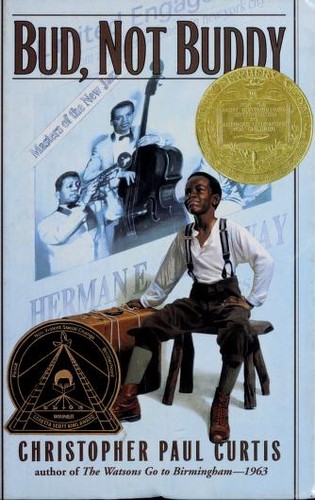
Check price of Bud, Not Buddy on Amazon
The Best Quotes from Bud, Not Buddy, Explained
1. “Here we go again.”
Opening line. Bud has been moved between foster homes so often that he greets bad news with weary humor. The line sets his resilient voice.
2. “Rules and Things to Have a Funner Life and Make a Better Liar Out of Yourself.”
Bud's list. Bud keeps a numbered list of rules he has learned. They are funny but also reveal how he has learned to survive alone.
3. “When one door closes, don't worry, because another door opens.”
Bud's mother's saying. Bud remembers his mother's words and holds on to them. They give him hope through every setback.
4. “I'm Bud, not Buddy.”
Bud. Bud corrects anyone who calls him Buddy, because his mother said Buddy was a dog's name. The line shows his pride in his identity.
Why These Lines Stay With Readers
Bud, Not Buddy is a funny, warm and moving story about a boy searching for family during the Great Depression. Bud's rules and jokes make his hardships easier for young readers to face, and the historical setting opens conversations about poverty, racism and jazz in 1930s America. Curtis based some details on his own grandfathers, which gives the story warmth and authenticity. The ending reveals surprising family connections, which makes Bud's rules and hopes even more meaningful on a second reading.
How to Use These Quotes
- In an essay: introduce the quote, give its context in one sentence, then explain how it supports your point.
- For a book club: read one line aloud and ask whether everyone agrees with the speaker.
- For a caption or card: pick a short line and credit Christopher Paul Curtis and Bud, Not Buddy.
- For a reread: look for the moment each line appears and notice what changes around it.
A Note on Quoting Bud, Not Buddy Accurately
Wording can differ slightly between editions, translations and film versions, and many lines shared online are paraphrased or misattributed. If you need an exact quote for an essay, check it against a printed copy of Bud, Not Buddy and note the edition and page number. The lines above are given as they appear in the book, not as they were changed for later adaptations.
When you quote in an essay, keep the quotation short and let your own explanation do most of the work. A good pattern is to name the speaker, place the line in the story, quote it and then spend two or three sentences on what it shows. Quotes from Bud, Not Buddy work best when they support a clear point about a character or theme, rather than standing alone.
Reading the Lines in Context
A quote often means more once you know where it falls in the story. Before using any of these lines, reread the surrounding page or two and ask what has just happened, who is listening and what the speaker wants. The same words can sound hopeful, ironic or desperate depending on that moment. Noticing this context is what turns a memorable line into real evidence for an argument about the book.
Discussion Questions
- Which quote above best sums up Bud, Not Buddy for you, and why?
- Do any of these lines mean something different once you know how the book ends?
- Which quote would you disagree with, and what would you say back?
If You Love the Writing in Bud, Not Buddy
-
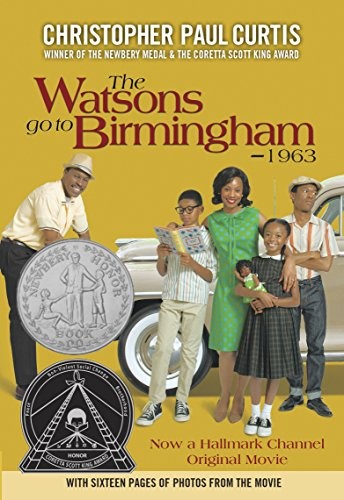
The Watsons Go to Birmingham – 1963 by Christopher Paul Curtis
-
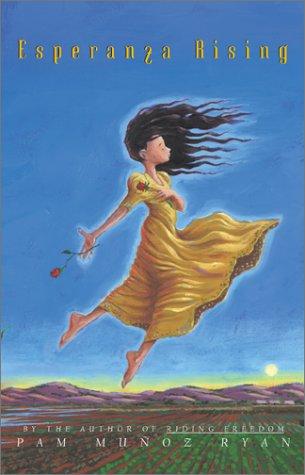
Esperanza Rising by Pam Munoz Ryan
Related: Bud, Not Buddy by Christopher Paul Curtis: Summary and Key Takeaways · Themes in Bud, Not Buddy Explained
Frequently Asked Questions
What is the most famous quote from Bud, Not Buddy?
One of the best-known lines is “Here we go again.” (opening line).
Who wrote Bud, Not Buddy?
Bud, Not Buddy was written by Christopher Paul Curtis and first published in 1999.
Can I use quotes from Bud, Not Buddy in an essay?
Yes. Short quotations with clear credit to Christopher Paul Curtis are standard in essays and reviews. Always explain the quote in your own words.
What should I read after Bud, Not Buddy?
Try The Watsons Go to Birmingham – 1963 by Christopher Paul Curtis or Esperanza Rising by Pam Munoz Ryan.