
Disclosure: As an Amazon Associate, Bookish Wisdom earns from qualifying purchases. This doesn't change our picks or your price.
Quick answer: The best quotes from Dracula by Bram Stoker include “Listen to them, the children of the night. What music they make!” and “Welcome to my house! Enter freely and of your own will!” Below are 5 of the most memorable lines, with who says them, where they come from and what they mean.
Quick facts
- Book: Dracula by Bram Stoker
- First published: 1897
- Quotes covered: 5
- Best for: essays, captions, book club talks and rereads
Table of Contents
What Dracula Is About
Young English solicitor Jonathan Harker travels to Transylvania to help Count Dracula buy a house in England, and soon realizes he is a prisoner in the Count's castle. Dracula sails to England, where he preys on Lucy Westenra and then Jonathan's fiancee, Mina. Lucy's suitors join Professor Abraham Van Helsing to hunt the vampire back to his homeland. The story is told through letters, diaries and newspaper clippings.
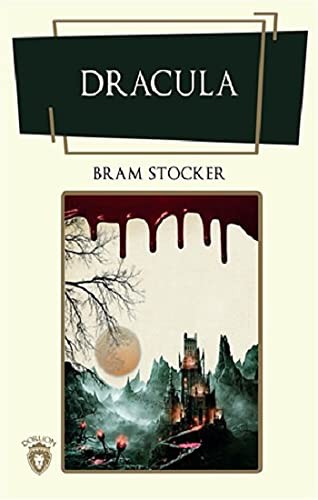
Check price of Dracula on Amazon
The Best Quotes from Dracula, Explained
1. “Listen to them, the children of the night. What music they make!”
Count Dracula, hearing wolves. Dracula delights in the howling wolves outside his castle. The line reveals his kinship with dark, wild creatures and gives Jonathan his first chill.
2. “Welcome to my house! Enter freely and of your own will!”
Count Dracula, greeting Jonathan. The friendly welcome hides a trap. The insistence on free will hints at the rules that bind vampires and makes the invitation sinister.
3. “I am Dracula; and I bid you welcome, Mr. Harker, to my house.”
Count Dracula. This formal introduction is the first time the Count names himself. Its courtesy makes him more frightening than an open threat would.
4. “For the dead travel fast.”
A line Jonathan hears on his journey. A passenger quotes this line from a German ballad as the coach speeds through the night. It foreshadows the danger awaiting Jonathan.
5. “We learn from failure, not from success!”
Van Helsing. Van Helsing reminds the group that mistakes teach lessons. The line shows his scientific mind amid the supernatural horror.
Why These Lines Stay With Readers
Dracula created the modern vampire and is still one of the most influential horror novels. Its lines are atmospheric and theatrical, and its letter-and-diary structure lets readers piece together the horror alongside the characters. Stoker built the story from many voices, so readers see the horror through letters, diaries and newspaper clippings. That structure makes the quotes feel like real testimony and builds suspense as each character learns a little more.
How to Use These Quotes
- In an essay: introduce the quote, give its context in one sentence, then explain how it supports your point.
- For a book club: read one line aloud and ask whether everyone agrees with the speaker.
- For a caption or card: pick a short line and credit Bram Stoker and Dracula.
- For a reread: look for the moment each line appears and notice what changes around it.
A Note on Quoting Dracula Accurately
Wording can differ slightly between editions, translations and film versions, and many lines shared online are paraphrased or misattributed. If you need an exact quote for an essay, check it against a printed copy of Dracula and note the edition and page number. The lines above are given as they appear in the book, not as they were changed for later adaptations.
When you quote in an essay, keep the quotation short and let your own explanation do most of the work. A good pattern is to name the speaker, place the line in the story, quote it and then spend two or three sentences on what it shows. Quotes from Dracula work best when they support a clear point about a character or theme, rather than standing alone.
Reading the Lines in Context
A quote often means more once you know where it falls in the story. Before using any of these lines, reread the surrounding page or two and ask what has just happened, who is listening and what the speaker wants. The same words can sound hopeful, ironic or desperate depending on that moment. Noticing this context is what turns a memorable line into real evidence for an argument about the book.
Discussion Questions
- Which quote above best sums up Dracula for you, and why?
- Do any of these lines mean something different once you know how the book ends?
- Which quote would you disagree with, and what would you say back?
If You Love the Writing in Dracula
-
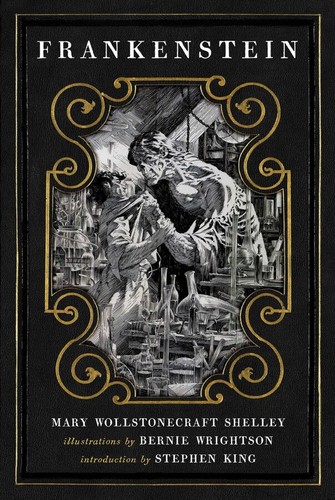
Frankenstein by Mary Shelley
-
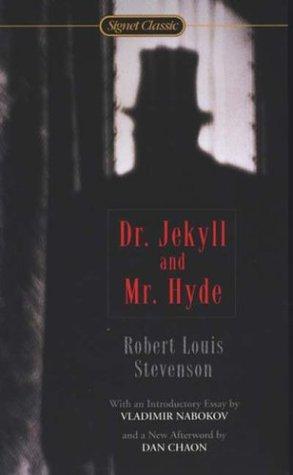
The Strange Case of Dr Jekyll and Mr Hyde by Robert Louis Stevenson
Related: Dracula by Bram Stoker: Summary and Key Takeaways · Themes in Dracula Explained
Frequently Asked Questions
What is the most famous quote from Dracula?
One of the best-known lines is “Listen to them, the children of the night. What music they make!” (count Dracula, hearing wolves).
Who wrote Dracula?
Dracula was written by Bram Stoker and first published in 1897.
Can I use quotes from Dracula in an essay?
Yes. Short quotations with clear credit to Bram Stoker are standard in essays and reviews. Always explain the quote in your own words.
What should I read after Dracula?
Try Frankenstein by Mary Shelley or The Strange Case of Dr Jekyll and Mr Hyde by Robert Louis Stevenson.