
Disclosure: As an Amazon Associate, Bookish Wisdom earns from qualifying purchases. This doesn't change our picks or your price.
Quick answer: The best quotes from Emma by Jane Austen include “Emma Woodhouse, handsome, clever, and rich, with a comfortable home and happy disposition, seemed to unite some of the best blessings of existence; and had lived nearly twenty-one years in the world with very little to distress or vex her.” and “If I loved you less, I might be able to talk about it more.” Below are 6 of the most memorable lines, with who says them, where they come from and what they mean.
Quick facts
- Book: Emma by Jane Austen
- First published: 1815
- Quotes covered: 6
- Best for: essays, captions, book club talks and rereads
Table of Contents
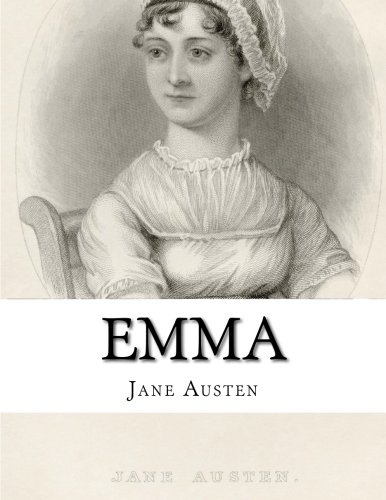
What Emma Is About
Emma Woodhouse is young, rich and clever, and she lives with her anxious father in the village of Highbury. After her governess marries, Emma decides she has a talent for matchmaking. She takes up a sweet, simple girl named Harriet Smith and tries to find her a husband, with disastrous results. Emma misreads almost everyone around her, including the charming Frank Churchill, the quiet Jane Fairfax and her old family friend Mr Knightley, before learning to understand her own heart.
The Best Quotes from Emma, Explained
1. “Emma Woodhouse, handsome, clever, and rich, with a comfortable home and happy disposition, seemed to unite some of the best blessings of existence; and had lived nearly twenty-one years in the world with very little to distress or vex her.”
The opening line. Austen introduces her heroine with a list of advantages, then hints that a life without trouble might not be good for her. The word seemed warns readers that Emma's perfect life is about to be tested.
2. “If I loved you less, I might be able to talk about it more.”
Mr Knightley, proposing to Emma. This is one of Austen's most loved romantic lines. Knightley is a man of few fancy words, and he admits that his feelings are too strong to express well. Readers often find it more honest than a grand speech.
3. “It was badly done, indeed!”
Mr Knightley, after Emma mocks Miss Bates at Box Hill. This short rebuke is the turning point of the novel. Emma has been unkind to a poor, talkative woman, and Knightley tells her so. Emma's shame begins her growth.
4. “One half of the world cannot understand the pleasures of the other.”
Emma. This witty observation is about how differently people enjoy life. Emma means it lightly, but the novel shows how much she herself fails to understand others.
5. “There is no charm equal to tenderness of heart.”
Emma. Here Emma praises kindness above cleverness or beauty. It is a lesson she has to learn for herself, and the line is a favorite with readers for its simple wisdom.
6. “Silly things do cease to be silly if they are done by sensible people in an impudent way.”
Emma, defending Frank Churchill. Emma excuses Frank's odd behavior because she likes him. The line is funny because it is exactly the kind of reasoning that leads Emma astray.
Why These Lines Stay With Readers
Austen once said she was writing a heroine whom no one but herself would much like. Emma is flawed, funny and vain, and her mistakes make the novel feel human. Its quotes about love, kindness and self-knowledge are among Austen's most shared.
How to Use These Quotes
- In an essay: introduce the quote, give its context in one sentence, then explain how it supports your point.
- For a book club: read one line aloud and ask whether everyone agrees with the speaker.
- For a caption or card: pick a short line and credit Jane Austen and Emma.
- For a reread: look for the moment each line appears and notice what changes around it.
Discussion Questions
- Which quote above best sums up Emma for you, and why?
- Do any of these lines mean something different once you know how the book ends?
- Which quote would you disagree with, and what would you say back?
If You Love the Writing in Emma
- Pride and Prejudice by Jane Austen
- Northanger Abbey by Jane Austen
Related: Emma by Jane Austen: Summary and Key Takeaways · Themes in Emma Explained
Frequently Asked Questions
What is the most famous quote from Emma?
One of the best-known lines is “Emma Woodhouse, handsome, clever, and rich, with a comfortable home and happy disposition, seemed to unite some of the best blessings of existence; and had lived nearly twenty-one years in the world with very little to distress or vex her.” (the opening line).
Who wrote Emma?
Emma was written by Jane Austen and first published in 1815.
Can I use quotes from Emma in an essay?
Yes. Short quotations with clear credit to Jane Austen are standard in essays and reviews. Always explain the quote in your own words.
What should I read after Emma?
Try Pride and Prejudice by Jane Austen or Northanger Abbey by Jane Austen.