
Disclosure: As an Amazon Associate, Bookish Wisdom earns from qualifying purchases. This doesn't change our picks or your price.
Quick answer: The best quotes from Sense and Sensibility by Jane Austen include “Know your own happiness. You want nothing but patience—or give it a more fascinating name, call it hope.” and “The more I know of the world, the more I am convinced that I shall never see a man whom I can really love. I require so much!” Below are 5 of the most memorable lines, with who says them, where they come from and what they mean.
Quick facts
- Book: Sense and Sensibility by Jane Austen
- First published: 1811
- Quotes covered: 5
- Best for: essays, captions, book club talks and rereads
Table of Contents
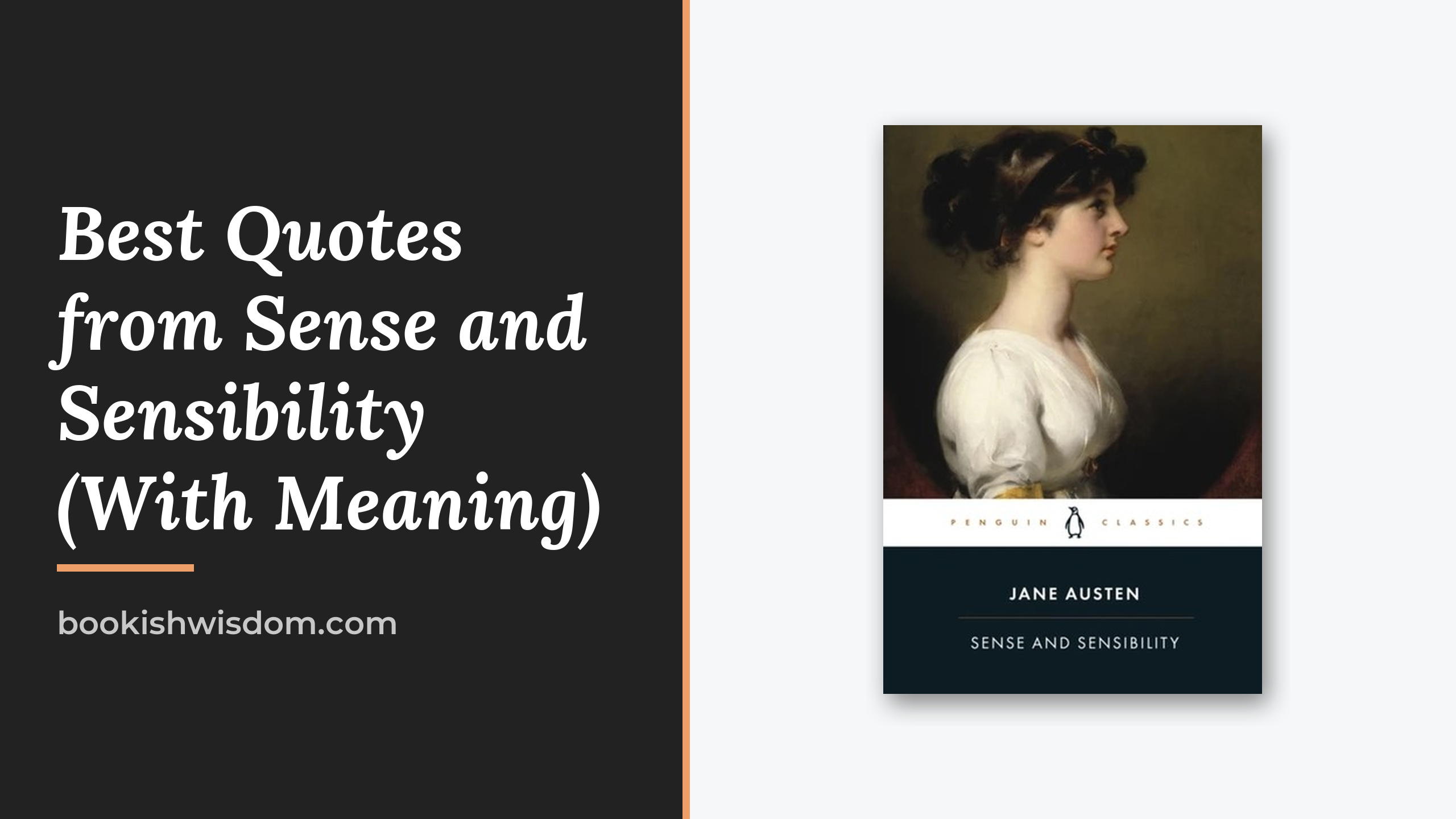
What Sense and Sensibility Is About
When Mr Dashwood dies, his widow and three daughters are left with little money and must move to a small cottage in Devon. The two older sisters could not be more different. Elinor is calm and sensible, keeping her feelings private even when the man she loves, Edward Ferrars, seems out of reach. Marianne is passionate and romantic, falling hard for the dashing John Willoughby. Both sisters suffer heartbreak, and each learns something from the other's way of feeling.
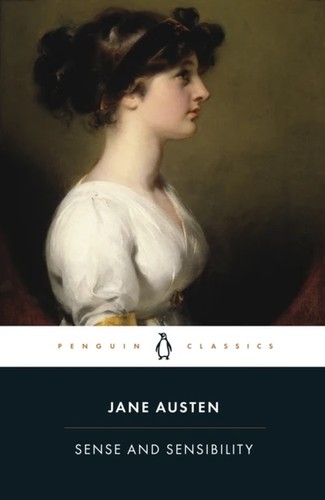
Check price of Sense and Sensibility on Amazon
The Best Quotes from Sense and Sensibility, Explained
1. “Know your own happiness. You want nothing but patience—or give it a more fascinating name, call it hope.”
Mrs Dashwood, to Edward Ferrars. Mrs Dashwood encourages Edward to stop feeling sorry for himself. The line is gentle advice about waiting for good things, and it reminds readers that hope is just patience with a brighter name.
2. “The more I know of the world, the more I am convinced that I shall never see a man whom I can really love. I require so much!”
Marianne, early in the novel. Marianne's high standards are part of her charm, and also part of her problem. She wants a perfect romantic hero, which makes her fall for Willoughby. Austen treats her with both affection and humor.
3. “It is not time or opportunity that is to determine intimacy;—it is disposition alone.”
Marianne, defending her quick bond with Willoughby. Marianne argues that you can know someone deeply in a week if your natures match. The novel tests this idea painfully when Willoughby turns out to be different from what she believed.
4. “I will be calm. I will be mistress of myself.”
Elinor, controlling her feelings. This line sums up Elinor. She feels as deeply as Marianne but chooses self-control. Austen does not say one sister is right, only that both feeling and sense are needed.
5. “What have wealth or grandeur to do with happiness?”
Marianne, to Elinor. Marianne claims money does not matter, but she later admits she would need a decent income. The line starts a sharp, funny conversation about love and practical life, a theme Austen returns to often.
Why These Lines Stay With Readers
Sense and Sensibility was Austen's first published novel. The contrast between the two sisters gives her quotes a balance that readers still find useful, since most people recognize a little Elinor and a little Marianne in themselves.
How to Use These Quotes
- In an essay: introduce the quote, give its context in one sentence, then explain how it supports your point.
- For a book club: read one line aloud and ask whether everyone agrees with the speaker.
- For a caption or card: pick a short line and credit Jane Austen and Sense and Sensibility.
- For a reread: look for the moment each line appears and notice what changes around it.
Discussion Questions
- Which quote above best sums up Sense and Sensibility for you, and why?
- Do any of these lines mean something different once you know how the book ends?
- Which quote would you disagree with, and what would you say back?
If You Love the Writing in Sense and Sensibility
- Pride and Prejudice by Jane Austen
- Persuasion by Jane Austen
Related: Sense and Sensibility by Jane Austen: Summary and Key Takeaways · Themes in Sense and Sensibility Explained
Frequently Asked Questions
What is the most famous quote from Sense and Sensibility?
One of the best-known lines is “Know your own happiness. You want nothing but patience—or give it a more fascinating name, call it hope.” (mrs Dashwood, to Edward Ferrars).
Who wrote Sense and Sensibility?
Sense and Sensibility was written by Jane Austen and first published in 1811.
Can I use quotes from Sense and Sensibility in an essay?
Yes. Short quotations with clear credit to Jane Austen are standard in essays and reviews. Always explain the quote in your own words.
What should I read after Sense and Sensibility?
Try Pride and Prejudice by Jane Austen or Persuasion by Jane Austen.