
Disclosure: As an Amazon Associate, Bookish Wisdom earns from qualifying purchases. This doesn't change our picks or your price.
Quick answer: The best quotes from The 4-Hour Workweek by Timothy Ferriss include “Doing less meaningless work, so that you can focus on things of greater personal importance, is NOT laziness.” and “Being busy is a form of laziness, lazy thinking and indiscriminate action.” Below are 4 of the most memorable lines, with who says them, where they come from and what they mean.
Quick facts
- Book: The 4-Hour Workweek by Timothy Ferriss
- First published: 2007
- Quotes covered: 4
- Best for: essays, captions, book club talks and rereads
Table of Contents
What The 4-Hour Workweek Is About
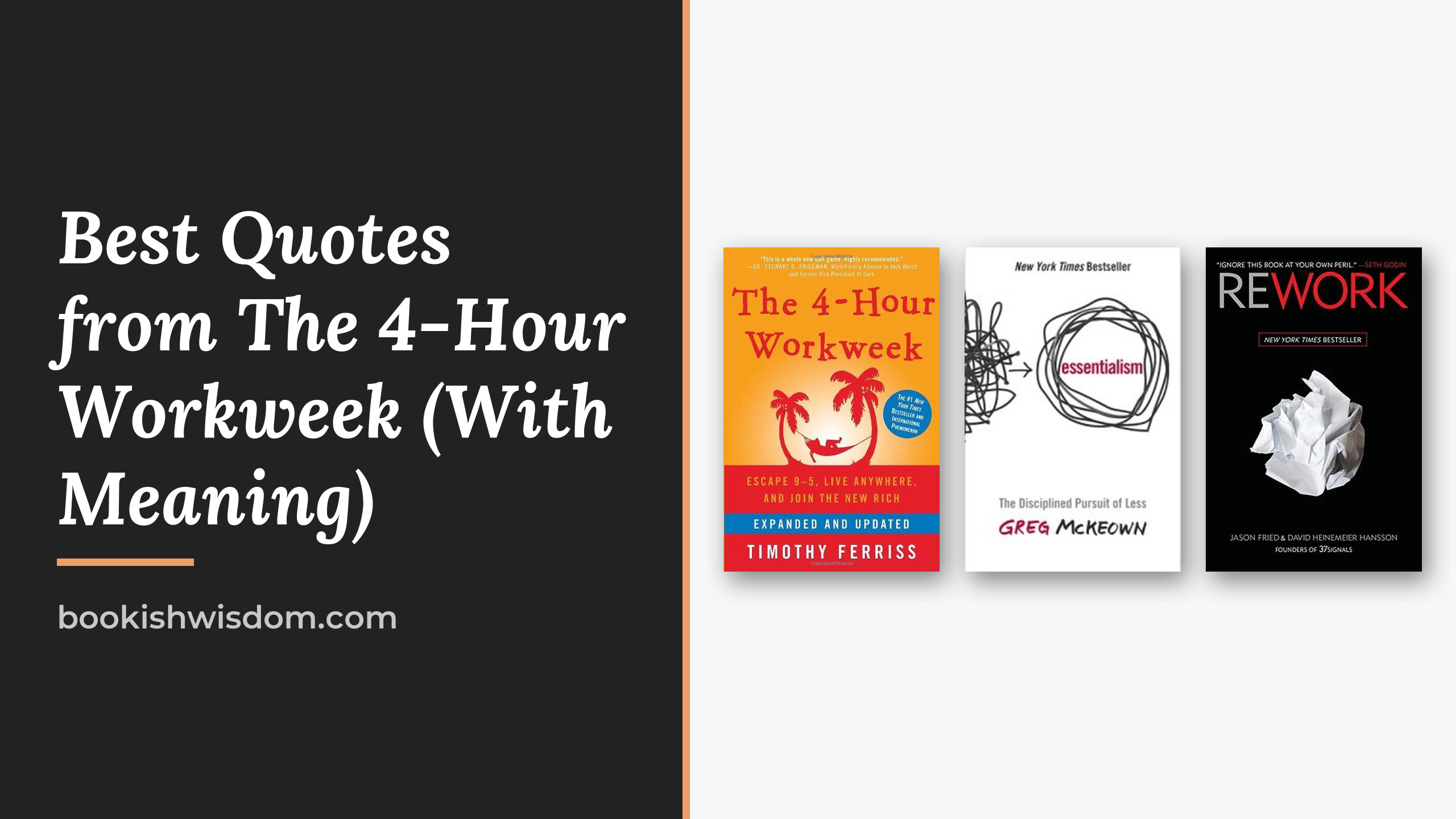
Entrepreneur Timothy Ferriss argues that people do not need to wait until retirement to enjoy life. He lays out a four-step plan he calls DEAL: Definition, Elimination, Automation and Liberation. The book covers cutting low-value work, batching email, outsourcing tasks, building small automated businesses and negotiating remote work so readers can take mini-retirements throughout their lives.
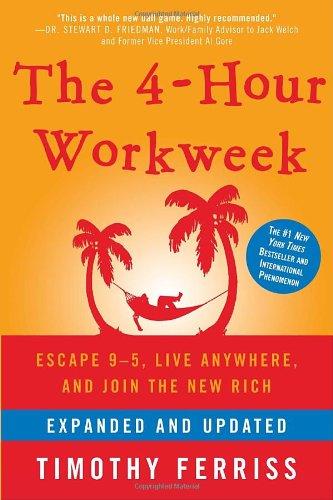
Check price of The 4-Hour Workweek on Amazon
The Best Quotes from The 4-Hour Workweek, Explained
1. “Doing less meaningless work, so that you can focus on things of greater personal importance, is NOT laziness.”
Ferriss. Ferriss argues that cutting busywork is smart, not lazy. The capital letters show how strongly he wants readers to drop their guilt.
2. “Being busy is a form of laziness, lazy thinking and indiscriminate action.”
Ferriss. Ferriss says constant busyness often hides a lack of priorities. The line challenges the habit of treating a full calendar as a badge of honor.
3. “What we fear doing most is usually what we most need to do.”
Ferriss. The tasks we avoid are often the ones that would change our lives. The line encourages readers to face difficult conversations and decisions.
4. “Someday is a disease that will take your dreams to the grave with you.”
Ferriss. Ferriss warns against putting off goals until conditions are perfect. The blunt line pushes readers to act now.
Why These Lines Stay With Readers
The 4-Hour Workweek changed how many people think about work, travel and time. Some of its tactics have dated, but its lines about priorities, fear and busyness are still widely quoted by entrepreneurs and remote workers.
How to Use These Quotes
- In an essay: introduce the quote, give its context in one sentence, then explain how it supports your point.
- For a book club: read one line aloud and ask whether everyone agrees with the speaker.
- For a caption or card: pick a short line and credit Timothy Ferriss and The 4-Hour Workweek.
- For a reread: look for the moment each line appears and notice what changes around it.
A Note on Quoting The 4-Hour Workweek Accurately
Wording can differ slightly between editions, translations and film versions, and many lines shared online are paraphrased or misattributed. If you need an exact quote for an essay, check it against a printed copy of The 4-Hour Workweek and note the edition and page number. The lines above are given as they appear in the book, not as they were changed for later adaptations.
When you quote in an essay, keep the quotation short and let your own explanation do most of the work. A good pattern is to name the speaker, place the line in the story, quote it and then spend two or three sentences on what it shows. Quotes from The 4-Hour Workweek work best when they support a clear point about a character or theme, rather than standing alone.
Discussion Questions
- Which quote above best sums up The 4-Hour Workweek for you, and why?
- Do any of these lines mean something different once you know how the book ends?
- Which quote would you disagree with, and what would you say back?
If You Love the Writing in The 4-Hour Workweek
-
Essentialism by Greg McKeown
-
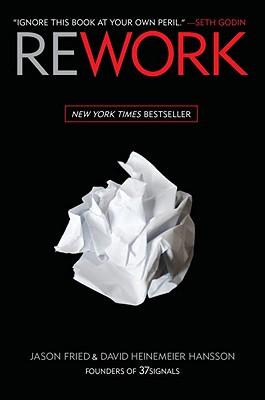
Rework by Jason Fried and David Heinemeier Hansson
Related: The 4-Hour Workweek by Timothy Ferriss: Summary and Key Takeaways · 15 Books Like The 4-Hour Workweek You’ll Love
Frequently Asked Questions
What is the most famous quote from The 4-Hour Workweek?
One of the best-known lines is “Doing less meaningless work, so that you can focus on things of greater personal importance, is NOT laziness.” (ferriss).
Who wrote The 4-Hour Workweek?
The 4-Hour Workweek was written by Timothy Ferriss and first published in 2007.
Can I use quotes from The 4-Hour Workweek in an essay?
Yes. Short quotations with clear credit to Timothy Ferriss are standard in essays and reviews. Always explain the quote in your own words.
What should I read after The 4-Hour Workweek?
Try Essentialism by Greg McKeown or Rework by Jason Fried and David Heinemeier Hansson.