
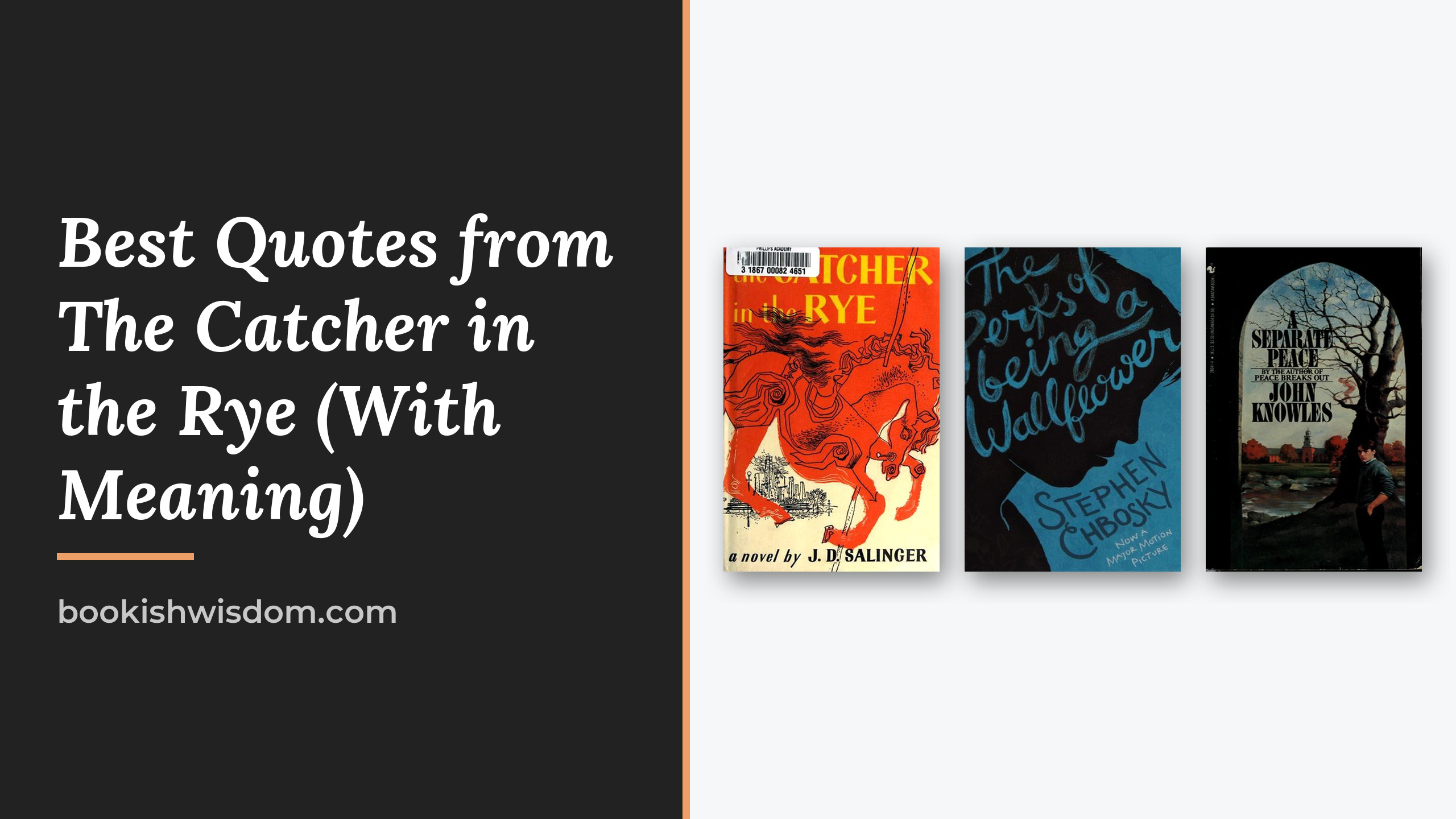
Disclosure: As an Amazon Associate, Bookish Wisdom earns from qualifying purchases. This doesn't change our picks or your price.
Quick answer: The best quotes from The Catcher in the Rye by J. D. Salinger include “If you really want to hear about it, the first thing you'll probably want to know is where I was born, and what my lousy childhood was like.” and “What really knocks me out is a book that, when you're all done reading it, you wish the author that wrote it was a terrific friend of yours.” Below are 5 of the most memorable lines, with who says them, where they come from and what they mean.
Quick facts
- Book: The Catcher in the Rye by J. D. Salinger
- First published: 1951
- Quotes covered: 5
- Best for: essays, captions, book club talks and rereads
Table of Contents
What The Catcher in the Rye Is About
Sixteen-year-old Holden Caulfield has just been expelled from his prep school, Pencey. Instead of going home, he spends three days wandering around New York City, staying in a cheap hotel, meeting old friends and strangers and trying to connect with people he calls phonies. Grieving his younger brother Allie and frightened of growing up, Holden finds comfort only in his little sister, Phoebe.
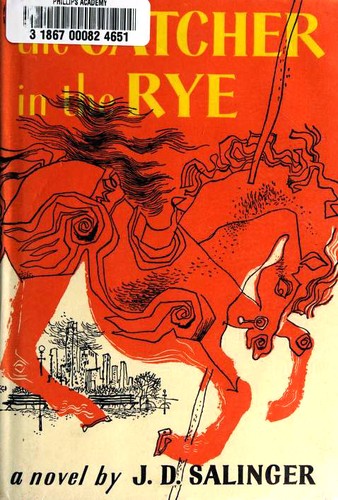
Check price of The Catcher in the Rye on Amazon
The Best Quotes from The Catcher in the Rye, Explained
1. “If you really want to hear about it, the first thing you'll probably want to know is where I was born, and what my lousy childhood was like.”
Opening line. Holden's voice is sarcastic and defensive from the first sentence. It became one of the most imitated narrative voices in American fiction.
2. “What really knocks me out is a book that, when you're all done reading it, you wish the author that wrote it was a terrific friend of yours.”
Holden. Holden explains what he loves in a book. Readers often quote it to describe their own favorite authors.
3. “I'd just be the catcher in the rye and all.”
Holden, to Phoebe. Holden imagines catching children before they fall off a cliff. His fantasy is about protecting innocence, and it gives the book its title.
4. “Certain things they should stay the way they are.”
Holden, about the museum. Holden loves that the museum displays never change. The line shows his fear of growing up.
5. “Don't ever tell anybody anything. If you do, you start missing everybody.”
Final line. Holden ends by admitting he misses the people he has described. The line reveals the loneliness under his tough talk.
Why These Lines Stay With Readers
The Catcher in the Rye has been read by generations of teenagers who see themselves in Holden. Its lines about loneliness, phoniness and growing up are quoted in essays and classrooms everywhere.
How to Use These Quotes
- In an essay: introduce the quote, give its context in one sentence, then explain how it supports your point.
- For a book club: read one line aloud and ask whether everyone agrees with the speaker.
- For a caption or card: pick a short line and credit J. D. Salinger and The Catcher in the Rye.
- For a reread: look for the moment each line appears and notice what changes around it.
Discussion Questions
- Which quote above best sums up The Catcher in the Rye for you, and why?
- Do any of these lines mean something different once you know how the book ends?
- Which quote would you disagree with, and what would you say back?
If You Love the Writing in The Catcher in the Rye
-
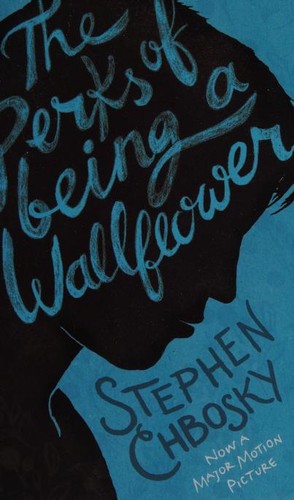
The Perks of Being a Wallflower by Stephen Chbosky
-
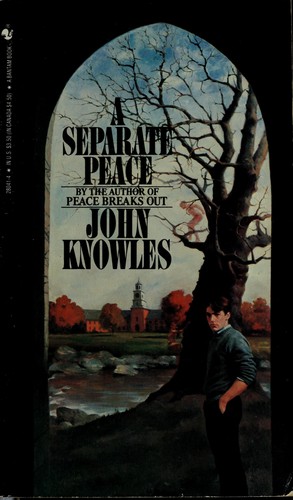
A Separate Peace by John Knowles
Related: The Catcher in the Rye by J.D. Salinger: Summary and Key Takeaways · Themes in The Catcher in the Rye Explained
Frequently Asked Questions
What is the most famous quote from The Catcher in the Rye?
One of the best-known lines is “If you really want to hear about it, the first thing you'll probably want to know is where I was born, and what my lousy childhood was like.” (opening line).
Who wrote The Catcher in the Rye?
The Catcher in the Rye was written by J. D. Salinger and first published in 1951.
Can I use quotes from The Catcher in the Rye in an essay?
Yes. Short quotations with clear credit to J. D. Salinger are standard in essays and reviews. Always explain the quote in your own words.
What should I read after The Catcher in the Rye?
Try The Perks of Being a Wallflower by Stephen Chbosky or A Separate Peace by John Knowles.