
Disclosure: As an Amazon Associate, Bookish Wisdom earns from qualifying purchases. This doesn't change our picks or your price.
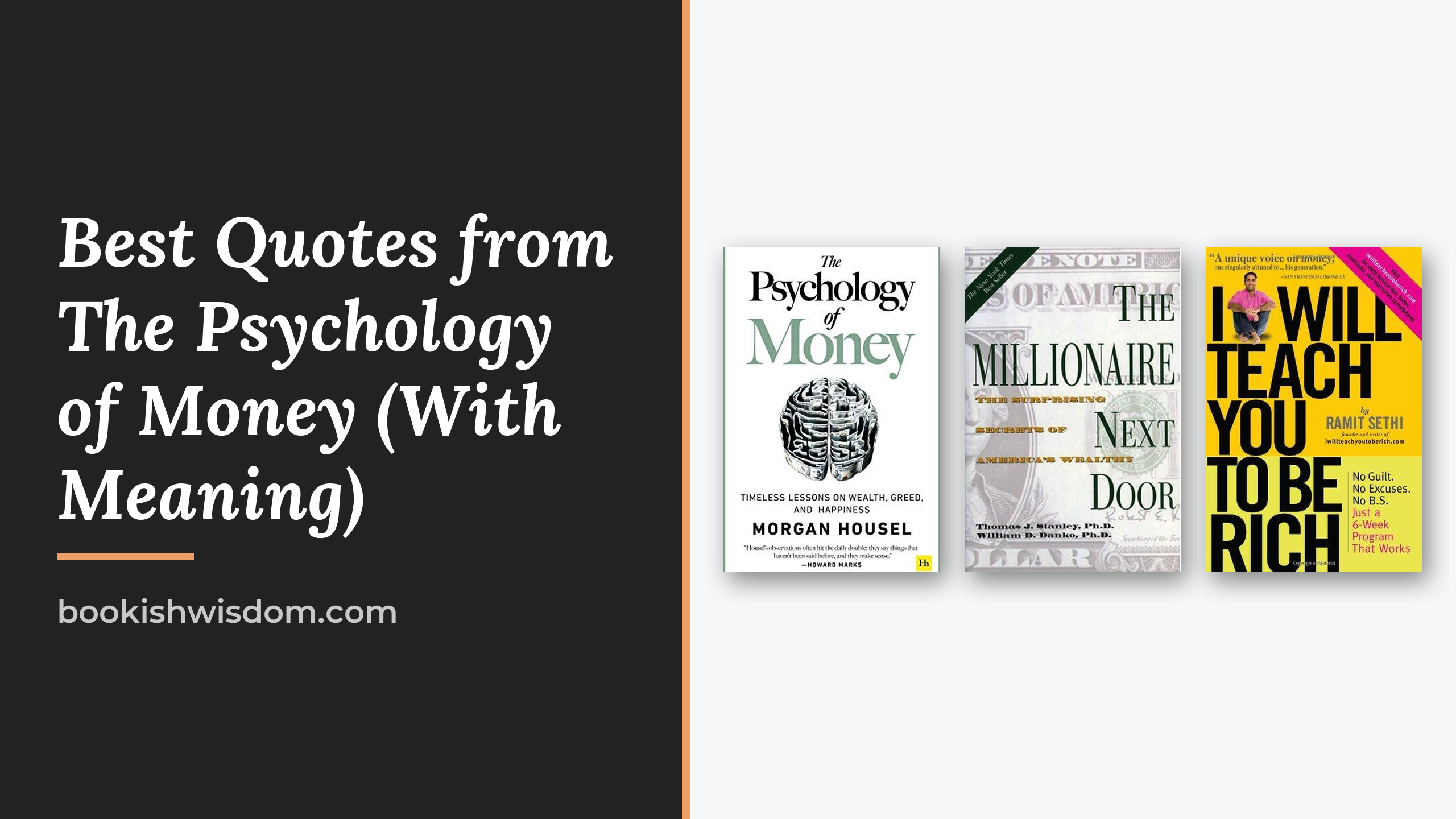
Quick answer: The best quotes from The Psychology of Money by Morgan Housel include “Doing well with money has a little to do with how smart you are and a lot to do with how you behave.” and “Wealth is what you don't see.” Below are 5 of the most memorable lines, with who says them, where they come from and what they mean.
Quick facts
- Book: The Psychology of Money by Morgan Housel
- First published: 2020
- Quotes covered: 5
- Best for: essays, captions, book club talks and rereads
Table of Contents
What The Psychology of Money Is About
Morgan Housel, a former columnist for The Motley Fool and The Wall Street Journal, argues that doing well with money depends more on behavior than on intelligence. In twenty short chapters, he explains ideas such as the power of compounding, the role of luck and risk, why saving matters more than income and why the feeling of having enough is so important. Each chapter uses stories rather than formulas.
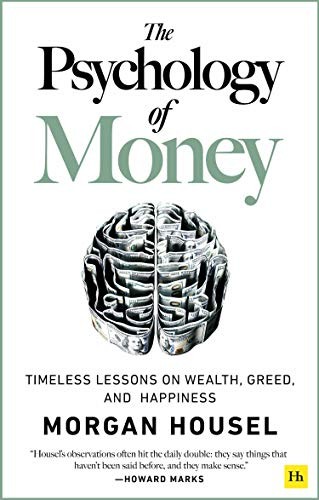
Check price of The Psychology of Money on Amazon
The Best Quotes from The Psychology of Money, Explained
1. “Doing well with money has a little to do with how smart you are and a lot to do with how you behave.”
Introduction. This is the main idea of the book. Housel argues that patience, humility and self-control matter more than financial knowledge.
2. “Wealth is what you don't see.”
Chapter on wealth. Fancy cars and big houses show spending, not wealth. Real wealth is the money saved and invested that no one sees.
3. “Spending money to show people how much money you have is the fastest way to have less money.”
Housel. This simple line captures the trap of showing off. It is one of the most shared lines in personal finance.
4. “The highest form of wealth is the ability to wake up every morning and say, I can do whatever I want today.”
Chapter on freedom. Housel says the greatest value of money is control over your own time. Many readers find this a more meaningful goal than getting rich.
5. “Saving money is the gap between your ego and your income.”
Housel. You can save more by wanting less, not just by earning more. The line reframes saving as a matter of self-image.
Why These Lines Stay With Readers
The Psychology of Money became a modern personal finance classic because it is short, clear and human. Its lines are quoted by investors, financial advisers and anyone trying to build a calmer relationship with money.
How to Use These Quotes
- In an essay: introduce the quote, give its context in one sentence, then explain how it supports your point.
- For a book club: read one line aloud and ask whether everyone agrees with the speaker.
- For a caption or card: pick a short line and credit Morgan Housel and The Psychology of Money.
- For a reread: look for the moment each line appears and notice what changes around it.
A Note on Quoting The Psychology of Money Accurately
Wording can differ slightly between editions, translations and film versions, and many lines shared online are paraphrased or misattributed. If you need an exact quote for an essay, check it against a printed copy of The Psychology of Money and note the edition and page number. The lines above are given as they appear in the book, not as they were changed for later adaptations.
When you quote in an essay, keep the quotation short and let your own explanation do most of the work. A good pattern is to name the speaker, place the line in the story, quote it and then spend two or three sentences on what it shows. Quotes from The Psychology of Money work best when they support a clear point about a character or theme, rather than standing alone.
Discussion Questions
- Which quote above best sums up The Psychology of Money for you, and why?
- Do any of these lines mean something different once you know how the book ends?
- Which quote would you disagree with, and what would you say back?
If You Love the Writing in The Psychology of Money
-
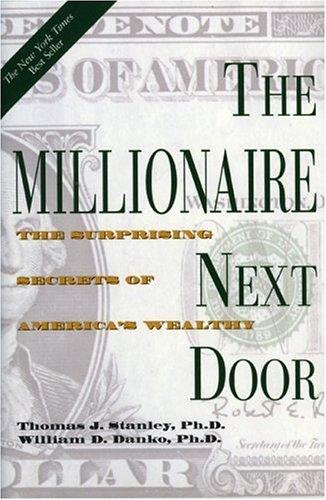
The Millionaire Next Door by Thomas J. Stanley and William D. Danko
-
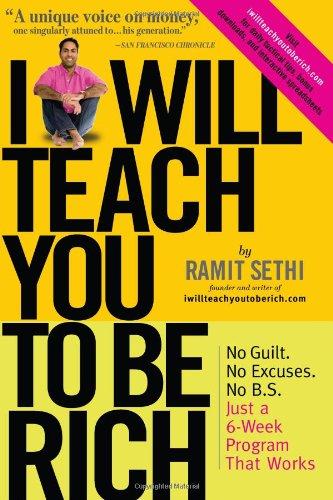
I Will Teach You to Be Rich by Ramit Sethi
Related: The Psychology of Money by Morgan Housel: Summary and Key Takeaways · 15 Books Like The Psychology of Money You’ll Love
Frequently Asked Questions
What is the most famous quote from The Psychology of Money?
One of the best-known lines is “Doing well with money has a little to do with how smart you are and a lot to do with how you behave.” (introduction).
Who wrote The Psychology of Money?
The Psychology of Money was written by Morgan Housel and first published in 2020.
Can I use quotes from The Psychology of Money in an essay?
Yes. Short quotations with clear credit to Morgan Housel are standard in essays and reviews. Always explain the quote in your own words.
What should I read after The Psychology of Money?
Try The Millionaire Next Door by Thomas J. Stanley and William D. Danko or I Will Teach You to Be Rich by Ramit Sethi.