
Disclosure: As an Amazon Associate, Bookish Wisdom earns from qualifying purchases. This doesn’t change our picks or your price.
TL;DR: The Almanack of Naval Ravikant collects the ideas of entrepreneur and investor Naval Ravikant on two topics: wealth and happiness. Build wealth by combining specific knowledge, leverage and accountability, and by playing long-term games with long-term people. Happiness, he argues, is a skill you can learn, built on peace, presence and fewer desires.
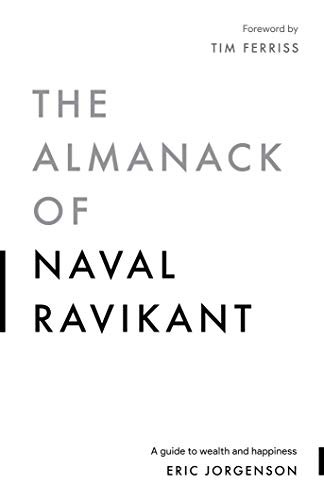
Published in 2020, The Almanack of Naval Ravikant: A Guide to Wealth and Happiness was compiled by Eric Jorgenson from Naval’s tweets, podcasts and interviews. Naval is the co-founder of AngelList and an early investor in many well-known tech companies. His 2018 tweetstorm, How to Get Rich (without getting lucky), went viral and inspired much of the book. Notably, the book is available free online as an ebook, in keeping with Naval’s ideas.
Table of Contents
The Almanack of Naval Ravikant at a Glance
| Detail | Info |
|---|---|
| Author | Eric Jorgenson (compiling Naval Ravikant’s words) |
| Published | 2020 |
| Genre | Self-help / business / philosophy |
| Structure | Two parts: Wealth (building wealth and judgment) and Happiness (learning happiness, saving yourself and philosophy) |
| Best for | Entrepreneurs, creators, ambitious professionals and philosophy-curious readers |
Part 1: Wealth
Seek Wealth, Not Money or Status
Naval defines wealth as assets that earn while you sleep: businesses, investments, products and intellectual property. Money is how we transfer wealth. Status is a zero-sum ranking game, while wealth creation can be positive-sum, where everyone can win.
Specific Knowledge
Specific knowledge is knowledge that can’t easily be trained or outsourced. It often comes from your genuine curiosity and passions, feels like play to you but looks like work to others, and is built through a unique combination of skills.
Leverage
Naval identifies three kinds of leverage: labor (people working for you), capital (money) and a newer form, code and media, which he calls permissionless leverage. Software, writing, podcasts and videos can work for you around the clock without anyone’s permission, which is why they’ve created so many new fortunes.
Accountability
Taking responsibility for outcomes under your own name carries risk, but it lets you earn credit and equity. Naval encourages owning a piece of a business instead of only renting out your time.
Play Long-Term Games
Compound interest applies to relationships, reputation and knowledge as well as money. Work with people you trust over long periods, and returns multiply.
Building Judgment
Naval argues that judgment, knowing the long-term consequences of actions, is the most valuable skill in an age of leverage. It’s built through clear thinking, reading widely, learning foundational principles like basic math and science, and being honest with yourself.
Part 2: Happiness
Happiness Is a Skill
Naval sees happiness as a default state that appears when you remove the sense that something is missing. Like fitness, it can be trained through habits.
Desire and Peace
One of his best-known ideas is that every desire is a kind of contract you make with yourself to be unhappy until you get what you want. Choosing your desires carefully, and having fewer of them, leads to more peace.
Saving Yourself
He recommends habits like meditation, exercise, good sleep, reducing alcohol and sugar, spending time in nature and limiting the news. He emphasizes self-love and acceptance as foundations for a good life.
Philosophy
The book closes with Naval’s broader reflections on meaning, mortality and living in the present, drawing on Stoicism and Eastern thought.
5 Key Takeaways From The Almanack of Naval Ravikant
- Build wealth, not just income. Own assets that earn while you sleep.
- Develop specific knowledge. Follow your curiosity into skills others can’t easily copy.
- Use permissionless leverage. Code and media can scale your work without gatekeepers.
- Play long-term games. Compounding works for relationships and reputation too.
- Train happiness. Fewer desires and better habits create more peace.
Ideas Worth Remembering
- Seek wealth, not money or status. (Naval Ravikant)
- Desire is a contract you make with yourself to be unhappy until you get what you want. (paraphrased)
- Play long-term games with long-term people. (paraphrased)
Who Should Read The Almanack of Naval Ravikant?
It’s ideal for entrepreneurs, creators, freelancers and anyone who wants a practical philosophy of work and life. It’s short, quotable and easy to dip into, though readers wanting step-by-step financial advice should look elsewhere.
What to Read Next
- The Psychology of Money by Morgan Housel on behavior and wealth.
- Meditations by Marcus Aurelius for Stoic philosophy that influences Naval.
- Zero to One by Peter Thiel on building valuable companies.
Related: summary of Think and Grow Rich and So Good They Can’t Ignore You summary.
Frequently Asked Questions
What is The Almanack of Naval Ravikant about?
It’s a collection of Naval Ravikant’s ideas on building wealth and finding happiness, compiled by Eric Jorgenson from tweets, podcasts and interviews.
What is specific knowledge according to Naval?
Specific knowledge is knowledge that can’t be easily trained or outsourced. It comes from your unique interests and skills and often feels like play to you.
Is The Almanack of Naval Ravikant free?
Yes. The ebook is available free on the book’s official website, and print and audio versions are sold through retailers.