
Disclosure: As an Amazon Associate, Bookish Wisdom earns from qualifying purchases. This doesn’t change our picks or your price.
TL;DR: In The Defining Decade, clinical psychologist Meg Jay argues that 30 is not the new 20. Your twenties are a crucial window for building your career, choosing relationships and shaping who you’ll become. Instead of drifting, she urges twentysomethings to build identity capital, use weak ties, be intentional about love and take their future seriously now.
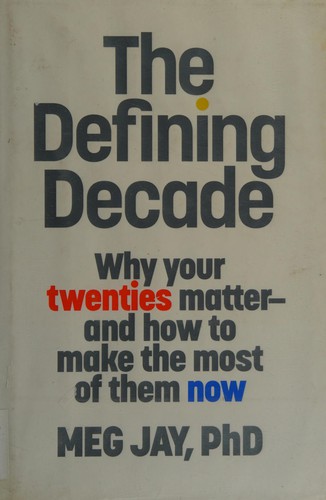
Meg Jay published The Defining Decade: Why Your Twenties Matter and How to Make the Most of Them Now in 2012, and an updated edition followed in 2021. Drawing on her work with clients in therapy and on research in psychology, sociology and neuroscience, she pushes back against the cultural message that the twenties are a throwaway decade. Her TED talk on the topic has been viewed millions of times. The book is organized into three sections: work, love, and the brain and body.
Table of Contents
The Defining Decade at a Glance
| Detail | Info |
|---|---|
| Author | Meg Jay, PhD |
| Published | 2012 (updated edition 2021) |
| Genre | Psychology / self-help / life advice |
| Structure | Three sections: Work, Love, and the Brain and Body |
| Best for | People in their twenties, and parents or mentors of young adults |
What Is The Defining Decade About?
Jay sees many clients who treat their twenties as an extended adolescence, expecting real life to start later. She argues that a large share of life’s defining moments, including career foundations, partner choices and big personal changes, happen before about age 35. Waiting until 30 to get serious often means facing pressure to do everything at once.
Key Ideas: Work
Build Identity Capital
Identity capital is the collection of personal assets you build over time: degrees, skills, jobs, experiences and even the way you speak and solve problems. Jay encourages twentysomethings to choose experiences that add to this capital rather than staying in low-stakes jobs that lead nowhere.
Use Weak Ties
Drawing on sociologist Mark Granovetter’s research, Jay explains that new opportunities often come from acquaintances rather than close friends. Weak ties move in different circles and know about different jobs, so reaching out to them can open doors.
Pay Attention to What You Already Know
Many clients have a sense of what they want but avoid admitting it. Jay encourages readers to listen to these quiet inner hunches and to make choices, even imperfect ones, rather than keeping every option open forever.
Key Ideas: Love
Choose Your Family
Jay reminds readers that a partner is, in a real sense, the family you choose, and that this decision deserves the same thought as a career choice. Dating casually without considering long-term fit can lead people into relationships they never actively chose.
Sliding vs. Deciding
She discusses research suggesting that couples who slide into living together for convenience, rather than making a deliberate decision, may find it harder to leave unsuitable relationships. Her advice is to discuss expectations openly before moving in.
Key Ideas: The Brain and Body
Your Brain Is Still Developing
The frontal lobe, which supports planning and judgment, continues to mature into the twenties. That makes it an ideal time to shape habits and personality, since the brain is especially adaptable.
Calm Yourself and Plan Ahead
Jay encourages building confidence through real accomplishments rather than empty reassurance and learning to manage emotions in setbacks. She also urges readers to think ahead about family plans, including the biological realities of fertility, so they make informed choices rather than discovering limits too late.
5 Key Takeaways From The Defining Decade
- Your twenties count. Choices made now shape decades to come.
- Invest in identity capital. Seek work and experiences that build skills and credibility.
- Reach out to weak ties. Acquaintances are often the bridge to new opportunities.
- Be intentional about love. Choosing a partner is one of your biggest life decisions.
- Plan ahead. Do the math on your goals so time doesn’t sneak up on you.
Ideas Worth Remembering
- Thirty is not the new twenty. (paraphrased)
- Claim your adulthood rather than waiting for it to arrive. (paraphrased)
- Not deciding is also a decision. (paraphrased)
Who Should Read The Defining Decade?
It’s best for people roughly 20 to 30 who feel stuck, unsure or overwhelmed by choices. It also helps parents, teachers and mentors who want to guide young adults with research rather than lectures. Some older readers may find its message about timing uncomfortable, but Jay’s tone is encouraging rather than alarmist.
What to Read Next
- So Good They Can’t Ignore You by Cal Newport on building career capital.
- Designing Your Life by Bill Burnett and Dave Evans for practical career experiments.
- Mindset by Carol S. Dweck on the beliefs that help you grow.
Related: best non-fiction books to read in your 20s and So Good They Can’t Ignore You summary.
Frequently Asked Questions
What is the main message of The Defining Decade?
The main message is that your twenties are not a throwaway decade. They are a critical time to build identity capital, make intentional relationship choices and set up the life you want.
What is identity capital?
Identity capital is the collection of personal assets, like skills, credentials, experiences and relationships, that you build over time and can use to shape your future.
Is The Defining Decade worth reading?
Yes, especially if you’re in your twenties and feel uncertain about work or relationships. It’s short, research-based and full of real stories from Jay’s clients.