

Disclosure: As an Amazon Associate, Bookish Wisdom earns from qualifying purchases. This doesn’t change our picks or your price.
TL;DR: In The Power of Moments, Chip and Dan Heath argue that we remember life in moments, not averages, and that defining moments can be created on purpose. Great moments are built from four elements: elevation, insight, pride and connection. Teachers, managers, parents and businesses can use them to make experiences unforgettable.
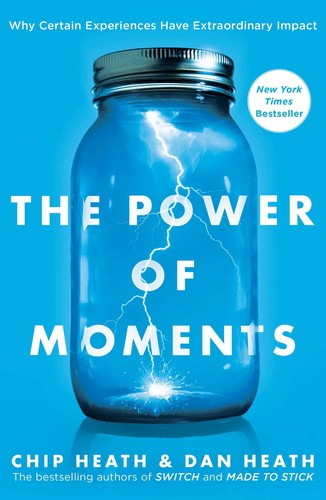
Published in 2017, The Power of Moments: Why Certain Experiences Have Extraordinary Impact is the Heath brothers’ follow-up to Made to Stick and Switch. It asks why a few short moments, like a first day at work, a graduation or a surprising act of kindness, shape our memories more than months of ordinary time, and how we can deliberately design more of them.
Table of Contents
The Power of Moments at a Glance
| Detail | Info |
|---|---|
| Authors | Chip Heath and Dan Heath |
| Published | 2017 |
| Genre | Psychology / business / leadership |
| Structure | An introduction to defining moments, then sections on each of the four elements |
| Best for | Teachers, managers, customer-experience teams, parents and event planners |
What Is The Power of Moments About?
Psychologists, including Daniel Kahneman, have found that people tend to judge experiences by their best or worst moment and by how they end, known as the peak-end rule. The middle fades. The Heaths conclude that rather than making everything slightly better, it’s often smarter to create a few peaks and fill a few pits.
When Moments Matter Most
The authors highlight three natural opportunities for defining moments: transitions (a new job, school or home), milestones (anniversaries, achievements) and pits (setbacks and difficult times). Paying attention to these moments makes it easier to design something memorable.
The Four Elements of Defining Moments
1. Elevation
Elevation moments rise above the everyday. They boost sensory appeal, raise the stakes and break the script. The authors describe a Los Angeles hotel known for a poolside phone that guests can use to order free popsicles, a small surprise that delights visitors and earns rave reviews. Another example is a school signing day where graduating students announce which college they’ll attend, celebrated like a sports draft.
2. Insight
Insight moments rewire our understanding. They often come from tripping over the truth: a sudden realization that makes a problem obvious. They can also come from stretching yourself into new situations where you learn what you’re capable of.
3. Pride
Pride moments commemorate achievement. The Heaths recommend recognizing others in specific, personal ways, creating more milestones along the way to long goals, and practicing courage in small doses so people are ready for bigger challenges.
4. Connection
Connection moments deepen relationships. Shared struggles and synchronized experiences bond groups together. The authors also stress responsiveness: showing people that you understand, value and support them. A powerful example is the first-day experience some companies create so new hires feel welcomed instead of ignored.
5 Key Takeaways From The Power of Moments
- We remember peaks and endings. Invest in a few standout moments instead of uniform improvement.
- Watch for transitions, milestones and pits. These are natural times to create defining moments.
- Break the script. Small surprises can create outsized memories.
- Recognize people specifically. Personal recognition builds pride and loyalty.
- Create shared meaning. Connection grows from shared struggle and genuine responsiveness.
Ideas Worth Remembering
- We don’t remember experiences as a whole; we remember the peaks, the pits and the ending. (paraphrased)
- Defining moments can be created, not just waited for. (paraphrased)
- Fill the pits before polishing the peaks. (paraphrased)
Who Should Read The Power of Moments?
It’s especially useful for teachers designing memorable lessons, managers improving onboarding and recognition, businesses designing customer experiences, and parents creating family traditions. It’s practical, story-rich and easy to apply.
What to Read Next
- Made to Stick by Chip Heath and Dan Heath on creating memorable ideas.
- Unreasonable Hospitality by Will Guidara on delighting customers with surprising gestures.
- The Culture Code by Daniel Coyle on building strong groups.
Related: Made to Stick summary and best books on employee engagement.
Frequently Asked Questions
What are the four elements of The Power of Moments?
The four elements are elevation, insight, pride and connection. Defining moments usually include at least one of them.
What is the peak-end rule?
The peak-end rule is the tendency to judge an experience mainly by its most intense moment and its ending, rather than by the average of every moment.
How can you use The Power of Moments at work?
You can design memorable first days for new hires, celebrate milestones, recognize people specifically, and support colleagues during setbacks.