

Disclosure: As an Amazon Associate, Bookish Wisdom earns from qualifying purchases. This doesn't change our picks or your price.
Spoiler warning: this analysis discusses the whole book, including the ending of Adventures of Huckleberry Finn.
Quick answer: The main themes in Adventures of Huckleberry Finn by Mark Twain are racism and slavery, conscience versus society, freedom, friendship and hypocrisy. Each is explained below with what it means, how it develops in the story and questions you can use for study or discussion.
Quick facts
- Book: Adventures of Huckleberry Finn by Mark Twain
- First published: 1884
- Main themes: racism and slavery, conscience versus society, freedom, friendship and hypocrisy
Table of Contents
About Adventures of Huckleberry Finn
Huck Finn, a poor, uneducated boy in Missouri, escapes his abusive, drunken father by faking his own death. On Jackson's Island he meets Jim, an enslaved man who has run away from Miss Watson after learning he might be sold away from his family. Together they float down the Mississippi River on a raft, hoping to reach the free states. Along the way they meet con men, feuding families and lynch mobs, and Huck must decide whether to follow society's rules or his own conscience.
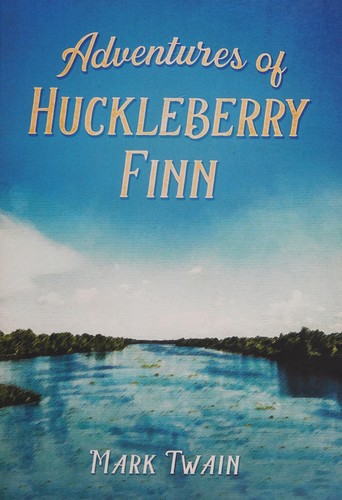
Check price of Adventures of Huckleberry Finn on Amazon
The Main Themes in Adventures of Huckleberry Finn
1. Racism and slavery
The novel shows the cruelty of slavery and the racism of the society around it. Twain uses Huck's growing friendship with Jim to expose how slavery dehumanises people, though modern readers also debate the book's language and portrayal of Jim.
Question to consider: Where in Adventures of Huckleberry Finn does racism and slavery matter most to the characters, and what does Mark Twain want readers to think about it?
2. Conscience versus society
Huck has been taught that helping Jim escape is wrong. When he tears up the letter that would betray Jim, he chooses his conscience over society's rules, one of the most famous moments in American literature.
Question to consider: Where in Adventures of Huckleberry Finn does conscience versus society matter most to the characters, and what does Mark Twain want readers to think about it?
3. Freedom
Both Huck and Jim seek freedom, Huck from his father and “sivilizing,” Jim from slavery. The river becomes a symbol of that freedom.
Question to consider: Where in Adventures of Huckleberry Finn does freedom matter most to the characters, and what does Mark Twain want readers to think about it?
4. Friendship
Huck and Jim's friendship grows on the raft. Jim cares for Huck like a father.
Question to consider: Where in Adventures of Huckleberry Finn does friendship matter most to the characters, and what does Mark Twain want readers to think about it?
5. Hypocrisy
Twain mocks the hypocrisy of so-called respectable people.
Question to consider: Where in Adventures of Huckleberry Finn does hypocrisy matter most to the characters, and what does Mark Twain want readers to think about it?
Symbols and Motifs
- The Mississippi River. It represents freedom and escape.
- The raft. It symbolises safety and equality.
- The shore. It stands for society and its corruption.
- The Grangerford feud. It represents senseless violence.
How the Themes Connect
Racism and slavery are the central injustices, while conscience versus society shows Huck's moral growth. Freedom drives both Huck and Jim, and friendship gives the journey its heart. Hypocrisy runs through every town they visit, and Twain's satire still challenges readers to think about morality and race in America.
How to Write About the Themes of Adventures of Huckleberry Finn
If you are writing an essay or preparing for class, these steps help:
- Pick one theme. A focused argument is stronger than a list of everything.
- Find evidence in the text. Point to specific scenes, characters and choices rather than general impressions.
- Explain, don't just describe. After each example, say what it shows about the theme.
- Connect to the ending. Ask how the final chapters resolve or complicate the theme.
- Consider other readings. A fair essay acknowledges that readers can disagree.
Discussion Questions
- Which of the themes above feels most relevant to your own life, and why?
- Do the characters in Adventures of Huckleberry Finn handle racism and slavery well or badly?
- How does the title relate to the themes of the book?
- Would the story change if it were set in a different time or place?
- What does Mark Twain leave unresolved, and why might that be?
Books With Similar Themes
- The Adventures of Tom Sawyer by Mark Twain
- To Kill a Mockingbird by Harper Lee
Related: Adventures of Huckleberry Finn by Mark Twain: Summary and Key Takeaways · The Adventures of Huckleberry Finn by Mark Twain: Summary and Key Takeaways
Frequently Asked Questions
What is the main theme of Adventures of Huckleberry Finn?
The central theme is racism and slavery, supported by conscience versus society and freedom.
How many themes does Adventures of Huckleberry Finn have?
This guide covers 5 main themes, but readers may find others.
Who wrote Adventures of Huckleberry Finn?
Adventures of Huckleberry Finn was written by Mark Twain and first published in 1884.
Is Adventures of Huckleberry Finn a good book for studying themes?
Yes. Its themes are clear enough to follow and rich enough to support essays and group discussion.
What should I read after Adventures of Huckleberry Finn?
Try The Adventures of Tom Sawyer by Mark Twain or To Kill a Mockingbird by Harper Lee.