
Disclosure: As an Amazon Associate, Bookish Wisdom earns from qualifying purchases. This doesn't change our picks or your price.
Spoiler warning: this analysis discusses the whole book, including the ending of The Glass Castle.
Quick answer: The main themes in The Glass Castle by Jeannette Walls are family and dysfunction, resilience, poverty, dreams and disappointment and independence. Each is explained below with what it means, how it develops in the story and questions you can use for study or discussion.
Quick facts
- Book: The Glass Castle by Jeannette Walls
- First published: 2005
- Main themes: family and dysfunction, resilience, poverty, dreams and disappointment and independence
Table of Contents
About The Glass Castle
Jeannette Walls grew up with a brilliant but alcoholic father, Rex, and an artistic, free-spirited mother, Rose Mary, who refused to take responsibility for the family. The family moved constantly across the American Southwest, often hungry and without electricity or running water. Rex promised to build a glass castle, a dream house powered by the sun. Eventually they settle in a run-down house in Welch, West Virginia. Jeannette and her siblings must take care of themselves, and one by one they escape to New York.
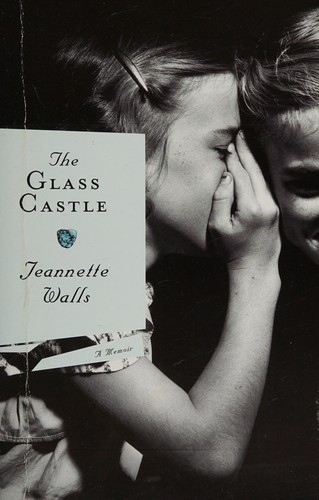
Check price of The Glass Castle on Amazon
The Main Themes in The Glass Castle
1. Family and dysfunction
Jeannette's parents love their children but neglect them badly. Walls shows a family full of love and failure, refusing to make her parents simple heroes or villains.
Question to consider: Where in The Glass Castle does family and dysfunction matter most to the characters, and what does Jeannette Walls want readers to think about it?
2. Resilience
The Walls children survive hunger, cold and danger by relying on each other. The memoir celebrates the strength of children in difficult homes.
Question to consider: Where in The Glass Castle does resilience matter most to the characters, and what does Jeannette Walls want readers to think about it?
3. Poverty
The family's poverty is extreme, from eating margarine for dinner to digging through rubbish. Walls shows poverty without self-pity.
Question to consider: Where in The Glass Castle does poverty matter most to the characters, and what does Jeannette Walls want readers to think about it?
4. Dreams and disappointment
Rex's dream of the glass castle represents his promises, which he never keeps. The memoir explores the pain of broken dreams.
Question to consider: Where in The Glass Castle does dreams and disappointment matter most to the characters, and what does Jeannette Walls want readers to think about it?
5. Independence
Jeannette learns to rely on herself and finally builds her own life.
Question to consider: Where in The Glass Castle does independence matter most to the characters, and what does Jeannette Walls want readers to think about it?
Symbols and Motifs
- The glass castle. It represents Rex's broken promises and the family's hope.
- Fire. Jeannette's childhood burn symbolises danger and survival.
- The Joshua tree. It stands for strength in harsh conditions.
- The piggy bank. Its theft represents betrayal.
How the Themes Connect
Family and dysfunction are the memoir's centre, while resilience shows how the children survive. Poverty and dreams and disappointment explain their hardship, and independence ties it together as Jeannette builds her own life. Walls writes about her parents with honesty and surprising love, making the memoir one of the most widely read of its time.
How to Write About the Themes of The Glass Castle
If you are writing an essay or preparing for class, these steps help:
- Pick one theme. A focused argument is stronger than a list of everything.
- Find evidence in the text. Point to specific scenes, characters and choices rather than general impressions.
- Explain, don't just describe. After each example, say what it shows about the theme.
- Connect to the ending. Ask how the final chapters resolve or complicate the theme.
- Consider other readings. A fair essay acknowledges that readers can disagree.
Discussion Questions
- Which of the themes above feels most relevant to your own life, and why?
- Do the characters in The Glass Castle handle family and dysfunction well or badly?
- How does the title relate to the themes of the book?
- Would the story change if it were set in a different time or place?
- What does Jeannette Walls leave unresolved, and why might that be?
Books With Similar Themes
- Hillbilly Elegy by J.D. Vance
- Hey, Kiddo by Jarrett J. Krosoczka
Related: The Glass Castle by Jeannette Walls: Summary and Key Takeaways · The Glass Castle Ending Explained
Frequently Asked Questions
What is the main theme of The Glass Castle?
The central theme is family and dysfunction, supported by resilience and poverty.
How many themes does The Glass Castle have?
This guide covers 5 main themes, but readers may find others.
Who wrote The Glass Castle?
The Glass Castle was written by Jeannette Walls and first published in 2005.
Is The Glass Castle a good book for studying themes?
Yes. Its themes are clear enough to follow and rich enough to support essays and group discussion.
What should I read after The Glass Castle?
Try Hillbilly Elegy by J.D. Vance or Hey, Kiddo by Jarrett J. Krosoczka.