
Disclosure: As an Amazon Associate, Bookish Wisdom earns from qualifying purchases. This doesn't change our picks or your price.
Spoiler warning: this analysis discusses the whole book, including the ending of The Grapes of Wrath.
Quick answer: The main themes in The Grapes of Wrath by John Steinbeck are economic injustice, family and community, dignity and resilience, collective action and nature and the land. Each is explained below with what it means, how it develops in the story and questions you can use for study or discussion.
Quick facts
- Book: The Grapes of Wrath by John Steinbeck
- First published: 1939
- Main themes: economic injustice, family and community, dignity and resilience, collective action and nature and the land
Table of Contents
About The Grapes of Wrath
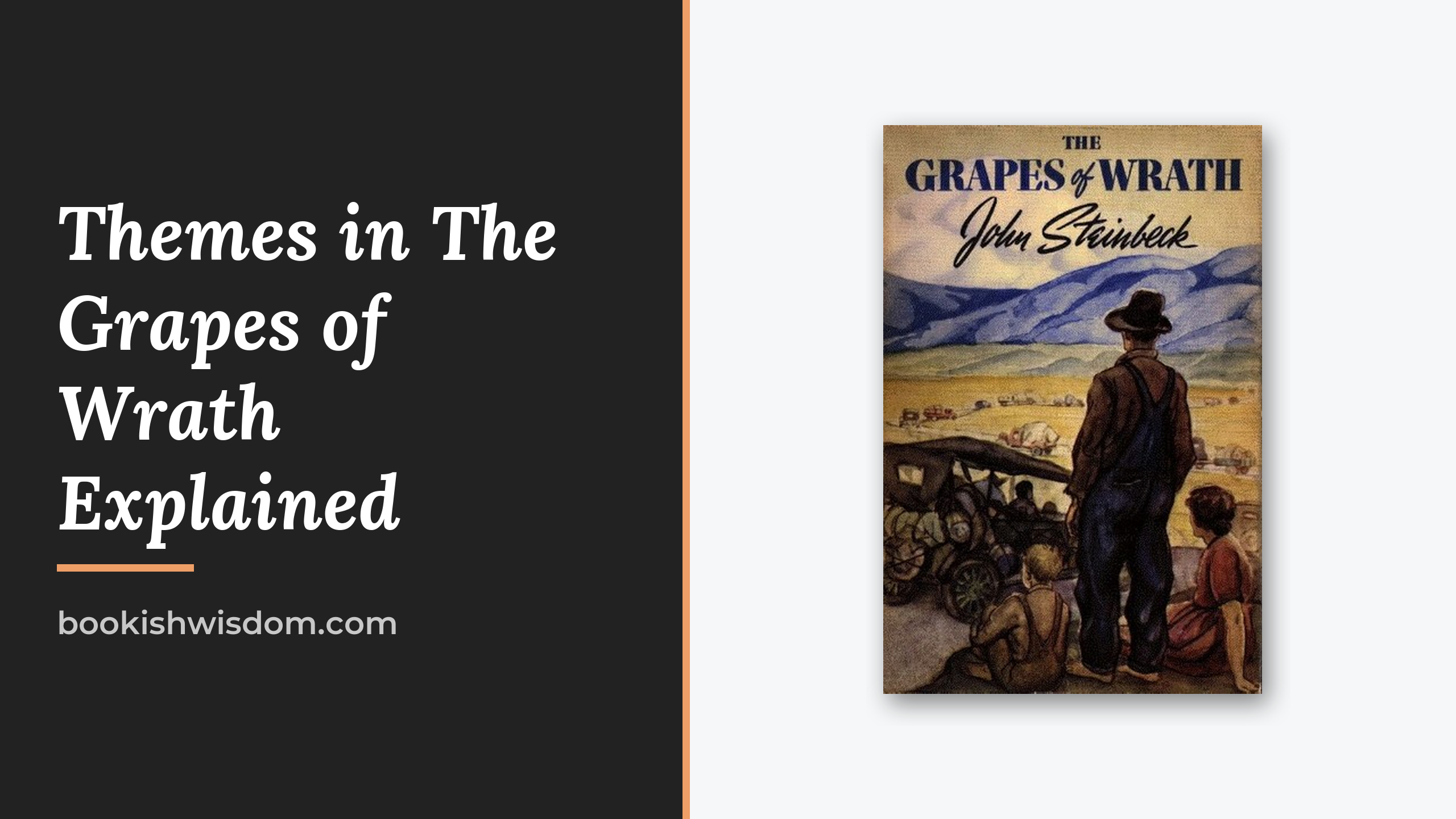
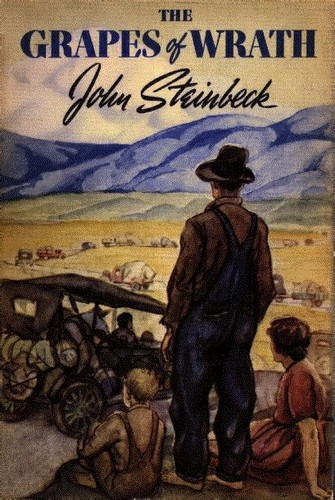
During the Great Depression, Tom Joad returns home to Oklahoma after four years in prison for manslaughter, only to find his family's farm destroyed by drought, dust storms and the banks that have forced tenant farmers off the land. With Jim Casy, a thoughtful drifter he knew as a boy, Tom joins his family on an overloaded truck heading west on Route 66 to California, where handbills promise plenty of work. But California is crowded with desperate migrants, wages are tiny and the Joads face hunger, police violence and hostility from locals who call them “Okies.”
Check price of The Grapes of Wrath on Amazon
The Main Themes in The Grapes of Wrath
1. Economic injustice
Banks and landowners push families off their land, and growers exploit the migrants. Steinbeck shows how a system built on profit can crush ordinary people, and he makes readers angry at the injustice.
Question to consider: Where in The Grapes of Wrath does economic injustice matter most to the characters, and what does John Steinbeck want readers to think about it?
2. Family and community
The Joad family struggles to stay together as members die or leave. Ma Joad holds them together, and the novel shows the idea of family growing into a larger community of all suffering people.
Question to consider: Where in The Grapes of Wrath does family and community matter most to the characters, and what does John Steinbeck want readers to think about it?
3. Dignity and resilience
Despite hunger and humiliation, the Joads keep their dignity. Steinbeck celebrates the endurance of ordinary people.
Question to consider: Where in The Grapes of Wrath does dignity and resilience matter most to the characters, and what does John Steinbeck want readers to think about it?
4. Collective action
Casy and Tom come to believe that people must work together to change things. Tom's famous farewell speech promises he will be wherever people fight for justice.
Question to consider: Where in The Grapes of Wrath does collective action matter most to the characters, and what does John Steinbeck want readers to think about it?
5. Nature and the land
The land that once fed the Joads has become a desert of dust.
Question to consider: Where in The Grapes of Wrath does nature and the land matter most to the characters, and what does John Steinbeck want readers to think about it?
Symbols and Motifs
- The turtle. Crossing the road, it represents the migrants' stubborn survival.
- Route 66. It symbolises the hope of a new life.
- The grapes. They stand for abundance withheld and the growing anger of the poor.
- The flood. It represents the final disaster and a test of humanity.
How the Themes Connect
Economic injustice drives the Joads from their home, while family and community show how they survive. Dignity and resilience reveal their strength, collective action offers a path to change and nature and the land show what has been lost. The famous final scene, in which Rose of Sharon feeds a starving man, shows that compassion survives even in the worst suffering.
How to Write About the Themes of The Grapes of Wrath
If you are writing an essay or preparing for class, these steps help:
- Pick one theme. A focused argument is stronger than a list of everything.
- Find evidence in the text. Point to specific scenes, characters and choices rather than general impressions.
- Explain, don't just describe. After each example, say what it shows about the theme.
- Connect to the ending. Ask how the final chapters resolve or complicate the theme.
- Consider other readings. A fair essay acknowledges that readers can disagree.
Discussion Questions
- Which of the themes above feels most relevant to your own life, and why?
- Do the characters in The Grapes of Wrath handle economic injustice well or badly?
- How does the title relate to the themes of the book?
- Would the story change if it were set in a different time or place?
- What does John Steinbeck leave unresolved, and why might that be?
Books With Similar Themes
- Of Mice and Men by John Steinbeck
- Out of the Dust by Karen Hesse
Related: The Grapes of Wrath by John Steinbeck: Summary and Key Takeaways · The Grapes of Wrath Ending Explained
Frequently Asked Questions
What is the main theme of The Grapes of Wrath?
The central theme is economic injustice, supported by family and community and dignity and resilience.
How many themes does The Grapes of Wrath have?
This guide covers 5 main themes, but readers may find others.
Who wrote The Grapes of Wrath?
The Grapes of Wrath was written by John Steinbeck and first published in 1939.
Is The Grapes of Wrath a good book for studying themes?
Yes. Its themes are clear enough to follow and rich enough to support essays and group discussion.
What should I read after The Grapes of Wrath?
Try Of Mice and Men by John Steinbeck or Out of the Dust by Karen Hesse.