
Disclosure: As an Amazon Associate, Bookish Wisdom earns from qualifying purchases. This doesn't change our picks or your price.
Spoiler warning: this analysis discusses the whole book, including the ending of The Pickwick Papers.
Quick answer: The main themes in The Pickwick Papers by Charles Dickens are innocence and experience, friendship and loyalty, the law and injustice, comedy and good humor and prison and suffering. Each is explained below with what it means, how it develops in the story and questions you can use for study or discussion.
Quick facts
- Book: The Pickwick Papers by Charles Dickens
- First published: 1837
- Main themes: innocence and experience, friendship and loyalty, the law and injustice, comedy and good humor and prison and suffering
Table of Contents
About The Pickwick Papers
Samuel Pickwick, a kindly, round, retired businessman, founds the Pickwick Club and sets off around England with three friends, the romantic Tracy Tupman, the would-be poet Augustus Snodgrass and the clumsy sportsman Nathaniel Winkle, to record their observations. Their travels bring comic disasters: duels, elections, skating, shooting parties and a misunderstanding that leads his landlady, Mrs. Bardell, to sue him for breach of promise. Joined by his witty cockney servant Sam Weller, Pickwick refuses to pay the unjust damages and goes to the Fleet debtors' prison, where he sees real suffering.
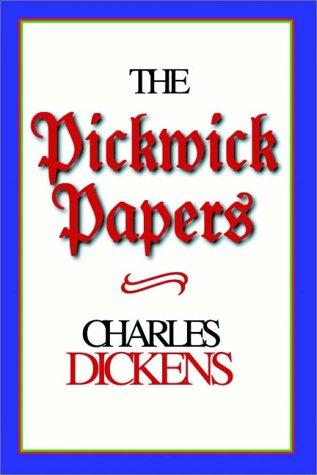
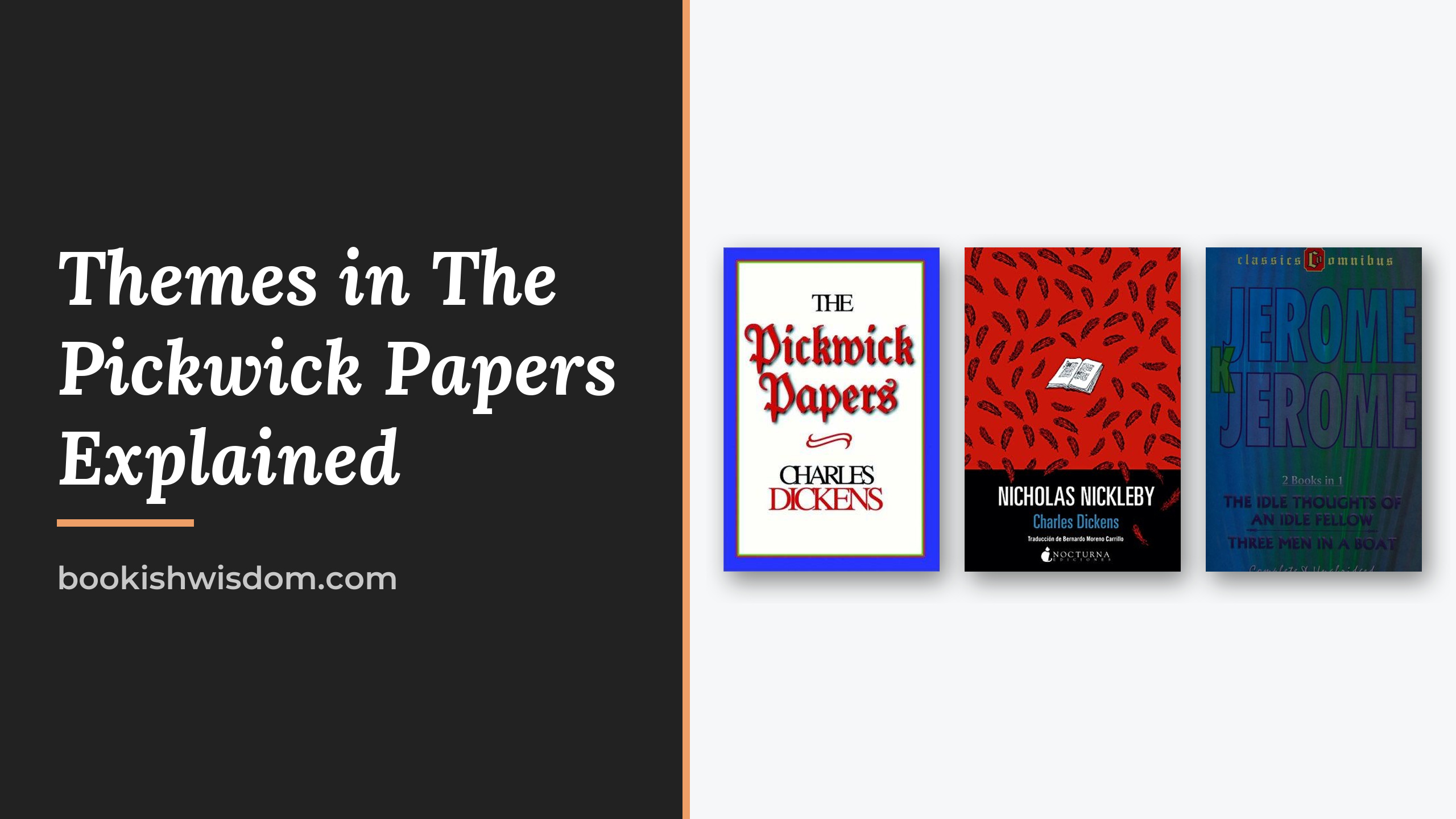
Check price of The Pickwick Papers on Amazon
The Main Themes in The Pickwick Papers
1. Innocence and experience
Pickwick begins the book as a naive, good-hearted gentleman who believes the best of everyone. Through con men and lawyers, he learns how cruel the world can be, but keeps his kindness, which makes his growth moving.
Question to consider: Where in The Pickwick Papers does innocence and experience matter most to the characters, and what does Charles Dickens want readers to think about it?
2. Friendship and loyalty
The friendship between Pickwick and Sam Weller is the heart of the book. Sam's loyalty, humor and street wisdom balance Pickwick's innocence, and the pair became one of the most famous duos in English fiction.
Question to consider: Where in The Pickwick Papers does friendship and loyalty matter most to the characters, and what does Charles Dickens want readers to think about it?
3. The law and injustice
The trial of Bardell against Pickwick mocks a legal system that rewards trickery. Dickens attacks lawyers who exploit ordinary people.
Question to consider: Where in The Pickwick Papers does the law and injustice matter most to the characters, and what does Charles Dickens want readers to think about it?
4. Comedy and good humor
The book is full of comic scenes, eccentric characters and wordplay. Dickens shows laughter as a way to handle life's absurdities.
Question to consider: Where in The Pickwick Papers does comedy and good humor matter most to the characters, and what does Charles Dickens want readers to think about it?
5. Prison and suffering
The Fleet prison chapters reveal the misery of debtors. The comic novel turns serious, showing Dickens's growing social concern.
Question to consider: Where in The Pickwick Papers does prison and suffering matter most to the characters, and what does Charles Dickens want readers to think about it?
Symbols and Motifs
- The Pickwick Club. The club represents curiosity and the pleasure of observation.
- Sam Weller's sayings. Sam's 'Wellerisms' symbolize cockney wit and practical wisdom.
- The Fleet prison. Represents the hidden suffering behind polite society.
- Dingley Dell. The Wardle family home stands for warmth, hospitality and old English cheer.
How the Themes Connect
The themes connect through Pickwick's journey from innocence to experience, softened by friendship and humor. The comic adventures give way to a darker look at law and prison, but Pickwick's goodness survives. The Pickwick Papers was Dickens's first novel and made him famous at twenty-four. It began as text to accompany sporting illustrations, but Dickens took control and sales exploded after Sam Weller appeared in the fourth installment. Pickwick merchandise, from hats to cigars, became a craze, one of the first examples of a literary franchise.
How to Write About the Themes of The Pickwick Papers
If you are writing an essay or preparing for class, these steps help:
- Pick one theme. A focused argument is stronger than a list of everything.
- Find evidence in the text. Point to specific scenes, characters and choices rather than general impressions.
- Explain, don't just describe. After each example, say what it shows about the theme.
- Connect to the ending. Ask how the final chapters resolve or complicate the theme.
- Consider other readings. A fair essay acknowledges that readers can disagree.
Discussion Questions
- Which of the themes above feels most relevant to your own life, and why?
- Do the characters in The Pickwick Papers handle innocence and experience well or badly?
- How does the title relate to the themes of the book?
- Would the story change if it were set in a different time or place?
- What does Charles Dickens leave unresolved, and why might that be?
Books With Similar Themes
-
Nicholas Nickleby by Charles Dickens
-
Three Men in a Boat by Jerome K. Jerome
Related: The Pickwick Papers by Charles Dickens: Summary and Key Takeaways · The Pickwick Papers Characters: A Complete Guide
Frequently Asked Questions
What is the main theme of The Pickwick Papers?
The central theme is innocence and experience, supported by friendship and loyalty and the law and injustice.
How many themes does The Pickwick Papers have?
This guide covers 5 main themes, but readers may find others.
Who wrote The Pickwick Papers?
The Pickwick Papers was written by Charles Dickens and first published in 1837.
Is The Pickwick Papers a good book for studying themes?
Yes. Its themes are clear enough to follow and rich enough to support essays and group discussion.
What should I read after The Pickwick Papers?
Try Nicholas Nickleby by Charles Dickens or Three Men in a Boat by Jerome K. Jerome.