
Disclosure: As an Amazon Associate, Bookish Wisdom earns from qualifying purchases. This doesn't change our picks or your price.
Spoiler warning: this analysis discusses the whole book, including the ending of The Return of the Native.
Quick answer: The main themes in The Return of the Native by Thomas Hardy are fate and chance, nature and landscape, ambition and restlessness, family conflict and isolation. Each is explained below with what it means, how it develops in the story and questions you can use for study or discussion.
Quick facts
- Book: The Return of the Native by Thomas Hardy
- First published: 1878
- Main themes: fate and chance, nature and landscape, ambition and restlessness, family conflict and isolation
Table of Contents
About The Return of the Native
On the wild Egdon Heath in Wessex, the beautiful and restless Eustacia Vye longs to escape to Paris. When Clym Yeobright, a diamond merchant, returns from Paris planning to become a schoolteacher on the heath, Eustacia marries him, hoping he will take her away. Clym instead stays and nearly goes blind from study, working as a furze-cutter. Misunderstandings with his mother, Mrs. Yeobright, lead to her death, and Eustacia's despair ends in tragedy on a stormy night.
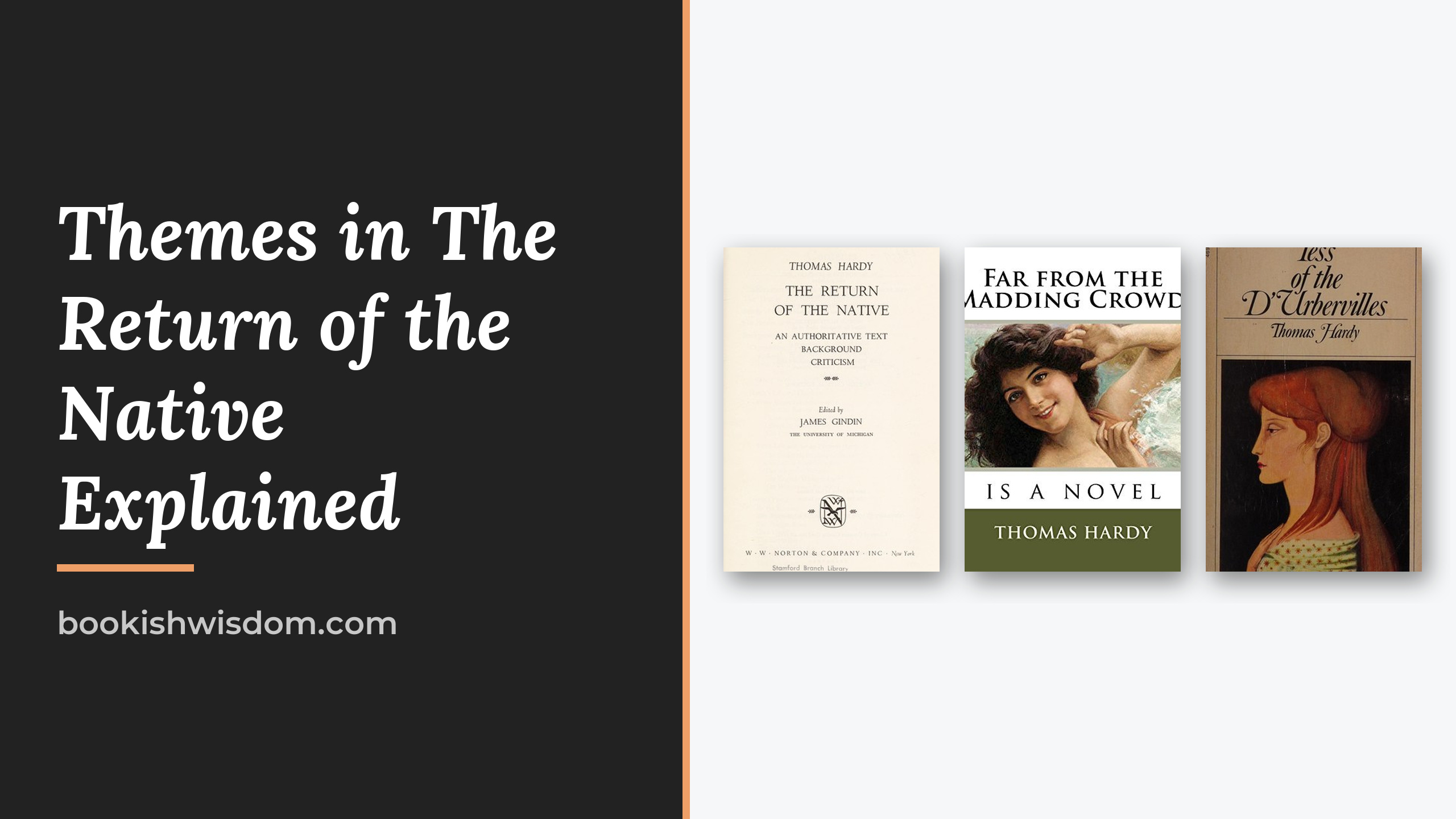
Check price of The Return of the Native on Amazon
The Main Themes in The Return of the Native
1. Fate and chance
Small misunderstandings, like an unanswered knock, lead to tragedy. Hardy shows how chance shapes lives. Mrs. Yeobright's walk across the heath on a hot day, after Eustacia fails to open the door, ends in death from exhaustion and an adder bite.
Question to consider: Where in The Return of the Native does fate and chance matter most to the characters, and what does Thomas Hardy want readers to think about it?
2. Nature and landscape
Egdon Heath is powerful and indifferent. It shapes the characters' destinies. Hardy describes the heath at length before any character appears, making it the most powerful presence in the book.
Question to consider: Where in The Return of the Native does nature and landscape matter most to the characters, and what does Thomas Hardy want readers to think about it?
3. Ambition and restlessness
Eustacia longs for a grand life. Her ambitions clash with reality. She calls herself a captive of the heath and dreams of the glittering life of Paris.
Question to consider: Where in The Return of the Native does ambition and restlessness matter most to the characters, and what does Thomas Hardy want readers to think about it?
4. Family conflict
Clym's love for his mother clashes with his marriage. Their estrangement is tragic.
Question to consider: Where in The Return of the Native does family conflict matter most to the characters, and what does Thomas Hardy want readers to think about it?
5. Isolation
The heath isolates the characters, intensifying their passions.
Question to consider: Where in The Return of the Native does isolation matter most to the characters, and what does Thomas Hardy want readers to think about it?
Symbols and Motifs
- Egdon Heath. Represents ancient, unchanging nature.
- Paris. Symbolizes Eustacia's dreams of glamour.
- The bonfires. Represent passion and rebellion.
- Clym's failing sight. Symbolizes his blindness to Eustacia's needs.
How the Themes Connect
The themes connect through the clash between human desires and an indifferent world. Fate, ambition and family conflict destroy Eustacia and Clym's happiness. Hardy's descriptions of the heath are among his finest, and the novel shows his tragic view of life. Readers often debate whether Eustacia is a villain or a victim.
How to Write About the Themes of The Return of the Native
If you are writing an essay or preparing for class, these steps help:
- Pick one theme. A focused argument is stronger than a list of everything.
- Find evidence in the text. Point to specific scenes, characters and choices rather than general impressions.
- Explain, don't just describe. After each example, say what it shows about the theme.
- Connect to the ending. Ask how the final chapters resolve or complicate the theme.
- Consider other readings. A fair essay acknowledges that readers can disagree.
Discussion Questions
- Which of the themes above feels most relevant to your own life, and why?
- Do the characters in The Return of the Native handle fate and chance well or badly?
- How does the title relate to the themes of the book?
- Would the story change if it were set in a different time or place?
- What does Thomas Hardy leave unresolved, and why might that be?
Books With Similar Themes
-
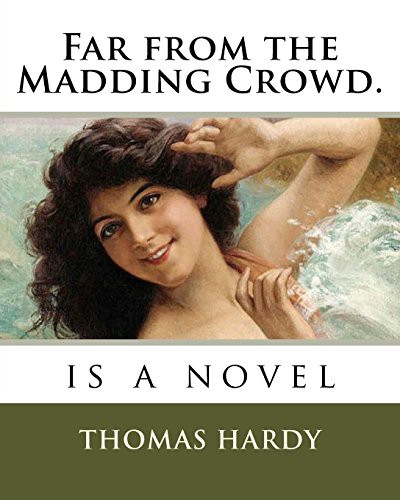
Far from the Madding Crowd by Thomas Hardy
-
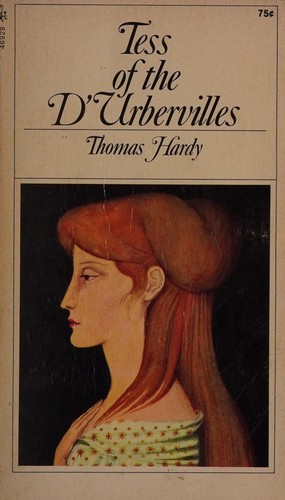
Tess of the d'Urbervilles by Thomas Hardy
Related: Far from the Madding Crowd by Thomas Hardy: Summary and Key Takeaways · Tess of the d’Urbervilles by Thomas Hardy: Summary and Key Takeaways
Frequently Asked Questions
What is the main theme of The Return of the Native?
The central theme is fate and chance, supported by nature and landscape and ambition and restlessness.
How many themes does The Return of the Native have?
This guide covers 5 main themes, but readers may find others.
Who wrote The Return of the Native?
The Return of the Native was written by Thomas Hardy and first published in 1878.
Is The Return of the Native a good book for studying themes?
Yes. Its themes are clear enough to follow and rich enough to support essays and group discussion.
What should I read after The Return of the Native?
Try Far from the Madding Crowd by Thomas Hardy or Tess of the d'Urbervilles by Thomas Hardy.