
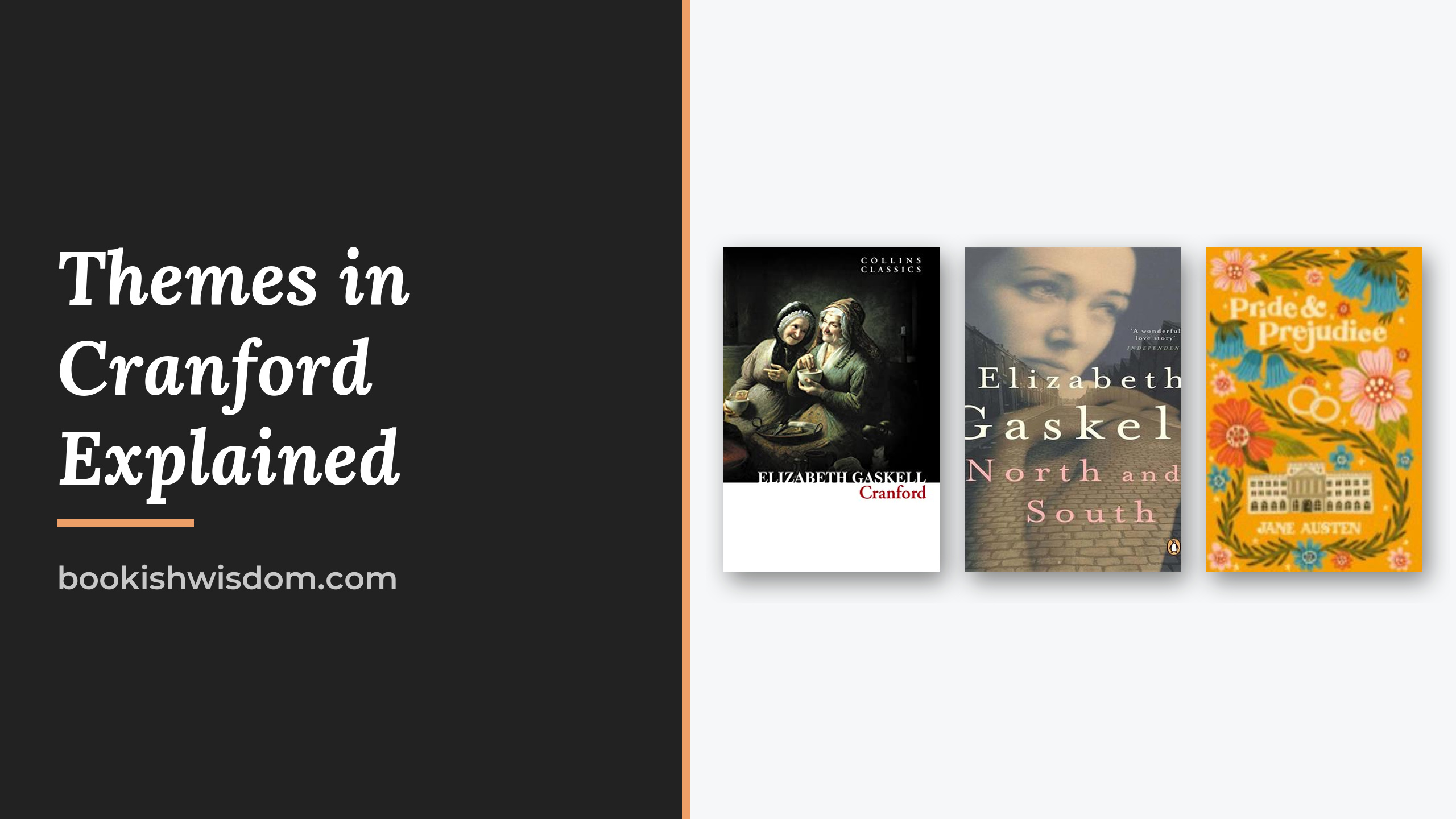
Disclosure: As an Amazon Associate, Bookish Wisdom earns from qualifying purchases. This doesn't change our picks or your price.
Spoiler warning: this analysis discusses the whole book, including the ending of Cranford.
Quick answer: The main themes in Cranford by Elizabeth Gaskell are community, change and modernity, gentility and poverty, women's lives and kindness. Each is explained below with what it means, how it develops in the story and questions you can use for study or discussion.
Quick facts
- Book: Cranford by Elizabeth Gaskell
- First published: 1853
- Main themes: community, change and modernity, gentility and poverty, women's lives and kindness
Table of Contents
About Cranford
In the quiet English town of Cranford, a group of genteel ladies, mostly widows and spinsters, live by strict rules of polite poverty. The narrator, Mary Smith, visits often and records their gossip, parties and fears. When Captain Brown, a cheerful newcomer, dies saving a child from a train, and the gentle Miss Matty Jenkyns loses her savings in a bank collapse, the ladies quietly come together to help her. In the end, Miss Matty's long-lost brother Peter returns from India.
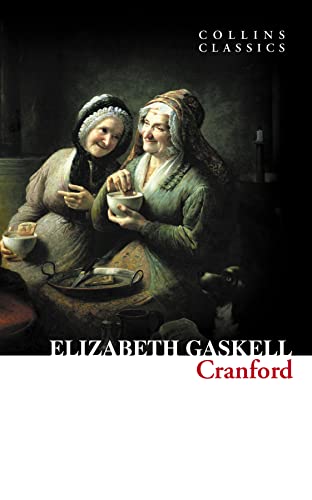
Check price of Cranford on Amazon
The Main Themes in Cranford
1. Community
The ladies support each other through small and large troubles. Their quiet generosity holds the town together. When Miss Matty is ruined, her friends secretly give money from their own small incomes so she will not feel shamed.
Question to consider: Where in Cranford does community matter most to the characters, and what does Elizabeth Gaskell want readers to think about it?
2. Change and modernity
Railways and banks bring new dangers to old ways. Cranford resists change but must adapt. The ladies fear the new railway and distrust anything from London, yet change arrives anyway.
Question to consider: Where in Cranford does change and modernity matter most to the characters, and what does Elizabeth Gaskell want readers to think about it?
3. Gentility and poverty
The ladies hide their poverty behind elegant manners. Gaskell gently mocks and admires their pride. Their rule of 'elegant economy' means never talking about money while counting every candle.
Question to consider: Where in Cranford does gentility and poverty matter most to the characters, and what does Elizabeth Gaskell want readers to think about it?
4. Women's lives
Cranford is run by women, with few men. Gaskell explores single women's lives. Men are mostly absent or comic, and the town is described as being 'in possession of the Amazons'.
Question to consider: Where in Cranford does women's lives matter most to the characters, and what does Elizabeth Gaskell want readers to think about it?
5. Kindness
Miss Matty's kindness wins everyone's love. Goodness matters more than wealth. Her gentle refusal to sell tea to customers who might be harming a rival shows her honest heart.
Question to consider: Where in Cranford does kindness matter most to the characters, and what does Elizabeth Gaskell want readers to think about it?
Symbols and Motifs
- The railway. The train that kills Captain Brown represents dangerous modern change.
- The bank. The failed bank symbolizes the risks of modern finance.
- The tea shop. Miss Matty's shop shows adaptation with dignity.
- The cow in flannel. The cow dressed in grey flannel symbolizes Cranford's eccentric charm.
How the Themes Connect
The themes connect through the community's response to change. Gentility, poverty and kindness shape their lives, and their support for Miss Matty shows the strength of community. Gaskell based Cranford on Knutsford in Cheshire, where she grew up. The stories were first published in Charles Dickens's magazine Household Words. The 2007 BBC adaptation with Judi Dench brought it new fans. Readers enjoy the book's gentle humor, and its portrait of a close-knit community still feels warm and familiar.
How to Write About the Themes of Cranford
If you are writing an essay or preparing for class, these steps help:
- Pick one theme. A focused argument is stronger than a list of everything.
- Find evidence in the text. Point to specific scenes, characters and choices rather than general impressions.
- Explain, don't just describe. After each example, say what it shows about the theme.
- Connect to the ending. Ask how the final chapters resolve or complicate the theme.
- Consider other readings. A fair essay acknowledges that readers can disagree.
Discussion Questions
- Which of the themes above feels most relevant to your own life, and why?
- Do the characters in Cranford handle community well or badly?
- How does the title relate to the themes of the book?
- Would the story change if it were set in a different time or place?
- What does Elizabeth Gaskell leave unresolved, and why might that be?
Books With Similar Themes
-
North and South by Elizabeth Gaskell
-
Pride and Prejudice by Jane Austen
Related: Cranford by Elizabeth Gaskell: Summary and Key Takeaways · North and South by Elizabeth Gaskell: Summary and Key Takeaways
Frequently Asked Questions
What is the main theme of Cranford?
The central theme is community, supported by change and modernity and gentility and poverty.
How many themes does Cranford have?
This guide covers 5 main themes, but readers may find others.
Who wrote Cranford?
Cranford was written by Elizabeth Gaskell and first published in 1853.
Is Cranford a good book for studying themes?
Yes. Its themes are clear enough to follow and rich enough to support essays and group discussion.
What should I read after Cranford?
Try North and South by Elizabeth Gaskell or Pride and Prejudice by Jane Austen.