
Disclosure: As an Amazon Associate, Bookish Wisdom earns from qualifying purchases. This doesn't change our picks or your price.
Quick answer: A writing retreat is a period of time set aside for focused writing, usually away from daily life, either alone or with a group of writers. Retreats can be organized programs at inns, colleges or artist residencies, with workshops and quiet writing time, or simple do-it-yourself stays at a cabin, hotel or friend's home. Some are free or funded through residencies and grants, while others charge fees for lodging, meals and teaching.
Table of Contents
Key Facts
| Item | Detail |
|---|---|
| Length | A weekend to several weeks |
| Types | Solo, group, workshop, residency |
| Cost | Free to expensive |
| Who attends | Beginners to professionals |
| Goal | Focused writing time |
How to Plan a Writing Retreat
1. Set a goal
Decide what you want to accomplish, such as finishing a draft or revising chapters.
2. Choose a format
Pick a solo retreat, a group retreat or a structured workshop.
3. Find a place
Look for quiet spaces, from cabins and inns to libraries or artist residencies.
4. Plan your schedule
Block time for writing, breaks, walks and rest.
5. Limit distractions
Turn off notifications and set boundaries with family and work.
6. Reflect afterward
Note what worked and how to carry the momentum home.
Writing Retreat Mistakes
- Overplanning. Leave room for rest.
- Being too ambitious. Set realistic goals.
- Ignoring costs. Budget for travel, meals and fees.
- Staying online. Distractions follow you.
- Skipping breaks. Rest keeps ideas fresh.
Building a Writing Habit That Lasts
Most books are finished by people who write regularly, not by people who wait for inspiration. Pick a time you can protect, even if it is only twenty minutes, and treat it like an appointment. Keep a running document of ideas so you never start from a blank page. Set a small, measurable goal, such as three hundred words a session, and track it. When you get stuck, skip ahead to a scene or section you are excited about and come back later. Finally, separate drafting from editing: write the rough version first, and fix it afterward, because trying to do both at once slows most writers down.
It also helps to know who the book is for. Write a one-sentence description of your reader and keep it beside your desk. Every time you are unsure about a scene, a word or a chapter, ask whether it serves that reader. This simple check keeps a draft focused and makes later editing much easier.
Finally, ask for feedback early. A trusted reader, writing group or teacher can spot problems you are too close to see, and fixing them in an early draft is much easier than in a finished one.
Keep every draft. Saving old versions lets you experiment freely, because you can always go back if a change does not work.
Most importantly, enjoy the process. Writing a book is a long project, and the writers who finish are usually the ones who find something to love in the daily work.
Reading widely in the form you are writing is one of the best teachers. Notice how other writers open, structure and end their work, and borrow techniques that suit your own voice.
Set a realistic deadline for each stage, such as finishing the draft, completing revisions and getting feedback. Deadlines turn a large, vague goal into a series of manageable steps, and they make it easier to notice when you need to adjust your plan.
Finally, protect your work. Back up every draft in at least two places, such as a cloud folder and an external drive, and keep a simple log of what you changed in each version. If anything goes wrong, you will lose a few minutes rather than months of writing.
Helpful Books and Resources
-
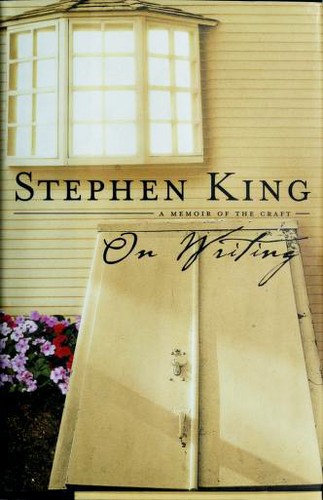
On Writing by Stephen King
-
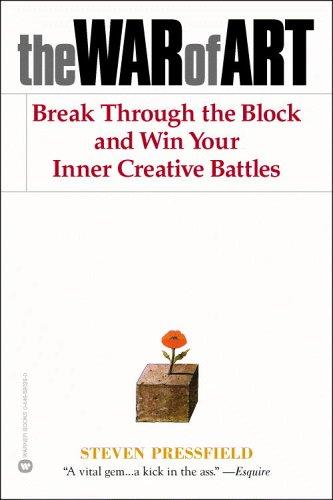
The War of Art by Steven Pressfield
-
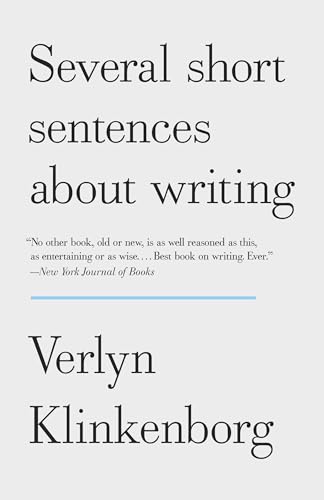
Several Short Sentences About Writing by Verlyn Klinkenborg
Related: On Writing by Stephen King: Summary and Key Takeaways · The War of Art by Steven Pressfield: Summary and Key Takeaways
Frequently Asked Questions
What is a writing retreat?
Focused time away for writing.
How long is a writing retreat?
From a weekend to several weeks.
Are writing retreats expensive?
Some are free, others charge high fees.
What is a writing residency?
A funded stay to work on creative projects.
Can I do a retreat at home?
Yes, by clearing your schedule and setting boundaries.
Who goes on writing retreats?
Writers at every level.
Do retreats include workshops?
Some do, while others are quiet writing time.
How do I find retreats?
Search writing organizations and residency directories.
Are there retreats for beginners?
Yes, many welcome new writers.
Should I go alone or with a group?
It depends on whether you want focus or community.
What should I bring?
Your project, notes, laptop and comfortable clothes.
Can I apply for funding?
Some residencies and grants cover costs.
Do retreats help productivity?
Many writers say they make huge progress.
Are there online retreats?
Yes, virtual retreats offer structure from home.
What is a write-in?
A group session where writers work quietly together.
What is a silent writing retreat?
A retreat where participants write quietly with little or no group activity.