
Disclosure: As an Amazon Associate, Bookish Wisdom earns from qualifying purchases. This doesn't change our picks or your price.
Quick answer: An anthology book is a collection of works, such as short stories, poems or essays, written by different authors and gathered by an editor around a shared theme, genre or purpose. Anthologies are a great way to discover new writers, and many famous stories first reached wide audiences through them. A collection by a single author is usually called a collection rather than an anthology.
Table of Contents
Key Facts
| Item | Detail |
|---|---|
| What it is | A collection of works by several authors |
| Who assembles it | An editor |
| Common types | Short stories, poetry, essays |
| Purpose | Showcase a theme, genre or group of writers |
| Single-author version | Called a collection |
How Anthologies Work
1. Themed anthologies
Editors choose a theme, such as climate, travel or love, and invite or select pieces that explore it.
2. Genre anthologies
Science fiction, fantasy and mystery anthologies have launched many careers by showcasing new voices.
3. Best of collections
Yearly anthologies gather the best short stories or essays published that year.
4. Poetry anthologies
Classroom anthologies collect famous poems from many periods.
5. Charity anthologies
Some anthologies raise money for causes, with authors donating stories.
6. How authors get included
Writers submit to open calls or are invited by editors.
Common Misunderstandings About Anthologies
- Confusing anthology and collection. Anthologies have multiple authors.
- Expecting one story. Each piece stands alone.
- Skipping the introduction. It often explains the theme.
- Assuming all pieces are new. Some anthologies reprint older works.
- Ignoring editors. The editor shapes the whole book.
Making Reading Part of Everyday Life
Small habits make the biggest difference. Keep a book where you naturally spend idle minutes, such as by the bed, in a bag or on your phone through a library app. Set a gentle goal, like ten pages a day, rather than a large number that feels like pressure. Mix formats, since audiobooks count too and can fit into commutes and chores. Let yourself stop reading books you do not enjoy, because forcing your way through them is one of the fastest ways to lose the habit. And talk about what you read with friends or a book club, since sharing a story is one of the best reasons to finish it.
If you want to read more, track what you finish in a notebook or app. Seeing a growing list is motivating, and it helps you notice what you enjoy most, so you can choose better books next time.
Finally, be patient with yourself. Reading habits grow slowly, and a few pages most days will add up to many books over a year.
It also helps to keep a list of books you want to read next. When you finish one book, you will already know what to pick up, which keeps the habit going without a gap.
Above all, choose books that match your mood and interests. Reading should feel like a reward, not a test, and the right book at the right time makes the habit easy.
Libraries are the best free resource for any reader. Librarians can suggest books, help you find formats that suit you and introduce you to digital lending apps.
Talking about books also deepens understanding. Sharing a favorite passage with a friend, joining an online discussion or writing a few lines in a reading journal helps you remember what you read and notice ideas you might otherwise miss.
It can also help to vary what you read. Alternating between fiction and nonfiction, long and short books, or new releases and older favorites keeps reading fresh and introduces you to authors and ideas you might never have chosen on purpose.
Helpful Books and Resources
- The Best American Short Stories by Various
- The Norton Anthology of Poetry by Various
-
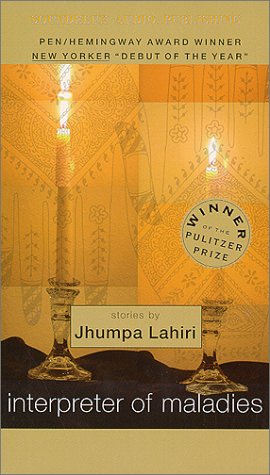
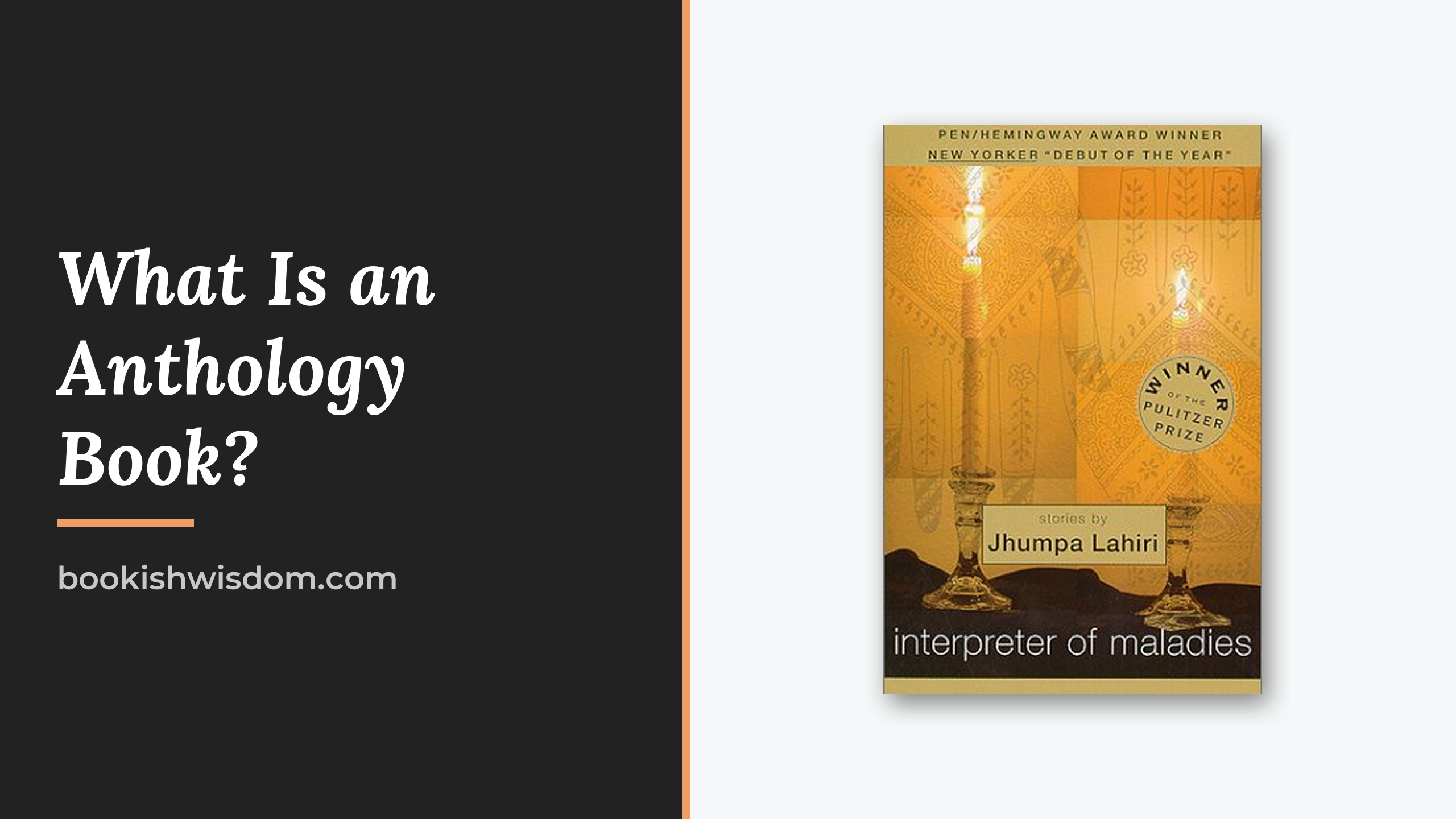
Interpreter of Maladies by Jhumpa Lahiri
Related: Interpreter of Maladies by Jhumpa Lahiri: Summary and Key Takeaways
Frequently Asked Questions
What is an anthology book?
A collection of works by different authors.
What is the difference between an anthology and a collection?
A collection is by one author.
Who puts together an anthology?
An editor.
Can I submit to an anthology?
Many anthologies have open submission calls.
Are anthologies only short stories?
No. They include poems and essays too.
Why read anthologies?
To discover many writers at once.
Do anthology authors get paid?
Usually, though rates vary.
What is a famous anthology?
The Norton anthologies are widely used in schools.
Are anthologies good for book clubs?
Yes, you can discuss a few pieces at a time.
What is a themed anthology?
One built around a shared subject.
Can an anthology be graphic novels?
Yes, comics anthologies exist.
What is a reprint anthology?
One that collects previously published works.
How long are anthologies?
It varies widely.
Where can I find anthologies?
Libraries and bookstores.
How are pieces ordered in an anthology?
Editors often arrange them for rhythm, contrast or theme.
Are anthologies good for new writers to submit to?
Yes, they are a common first publishing credit.
Do anthologies win awards?
Yes, and individual stories in them often do.
Can teachers use anthologies?
Yes, they are common in classrooms.
What is an anthology series?
A recurring set of anthologies, such as yearly best-of collections.
Can anthologies include nonfiction?
Yes, essay anthologies are common.
Are audiobook anthologies available?
Yes, often with several narrators.