
Disclosure: As an Amazon Associate, Bookish Wisdom earns from qualifying purchases. This doesn't change our picks or your price.
Quick answer: To write a book with ADHD, work with your brain rather than against it: break the book into small, specific tasks, write in short timed sprints, use body doubling or writing groups for accountability, follow your interest by drafting scenes out of order, reduce distractions with app blockers and keep a visible progress tracker. Many successful authors have ADHD and finish books with systems that suit them.
Table of Contents
Key Facts
| Item | Detail |
|---|---|
| Best session length | Short sprints, such as 15-25 minutes |
| Useful methods | Timers, body doubling, visual trackers |
| Drafting style | Out-of-order scenes are fine |
| Distraction control | App blockers and focus modes |
| Support | Writing groups and accountability partners |
Writing Strategies That Work With ADHD
1. Break it down
Turn write a book into tiny tasks, such as write the scene where they meet, so starting feels easy.
2. Use timed sprints
Work in short bursts with a timer, followed by a short break. The countdown helps with focus.
3. Try body doubling
Writing alongside someone, in person or on a video call, makes it easier to stay on task.
4. Follow your interest
Draft the scenes you are excited about first, then connect them later.
5. Make progress visible
Use a chart, sticker calendar or word count tracker so you can see progress building.
6. Reduce distractions
Use app blockers, put your phone in another room and keep a notebook for stray thoughts so you can return to writing.
Common Pitfalls and How to Avoid Them
- Waiting for the perfect mood. Start with a tiny task instead.
- Planning endlessly. Planning can become procrastination.
- Shaming yourself. Inconsistent progress is normal.
- Starting new projects constantly. Keep a list of new ideas for later.
- Working without breaks. Rest helps focus.
Building a Writing Habit That Lasts
Most books are finished by people who write regularly, not by people who wait for inspiration. Pick a time you can protect, even if it is only twenty minutes, and treat it like an appointment. Keep a running document of ideas so you never start from a blank page. Set a small, measurable goal, such as three hundred words a session, and track it. When you get stuck, skip ahead to a scene or section you are excited about and come back later. Finally, separate drafting from editing: write the rough version first, and fix it afterward, because trying to do both at once slows most writers down.
It also helps to know who the book is for. Write a one-sentence description of your reader and keep it beside your desk. Every time you are unsure about a scene, a word or a chapter, ask whether it serves that reader. This simple check keeps a draft focused and makes later editing much easier.
Finally, ask for feedback early. A trusted reader, writing group or teacher can spot problems you are too close to see, and fixing them in an early draft is much easier than in a finished one.
Keep every draft. Saving old versions lets you experiment freely, because you can always go back if a change does not work.
Most importantly, enjoy the process. Writing a book is a long project, and the writers who finish are usually the ones who find something to love in the daily work.
Reading widely in the form you are writing is one of the best teachers. Notice how other writers open, structure and end their work, and borrow techniques that suit your own voice.
Set a realistic deadline for each stage, such as finishing the draft, completing revisions and getting feedback. Deadlines turn a large, vague goal into a series of manageable steps, and they make it easier to notice when you need to adjust your plan.
Finally, protect your work. Back up every draft in at least two places, such as a cloud folder and an external drive, and keep a simple log of what you changed in each version. If anything goes wrong, you will lose a few minutes rather than months of writing.
Helpful Books and Resources
-
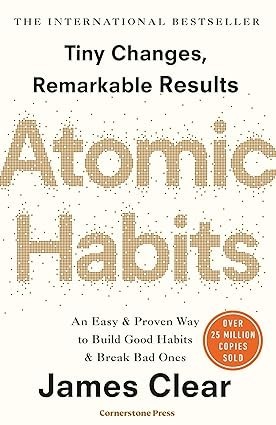
Atomic Habits by James Clear
-
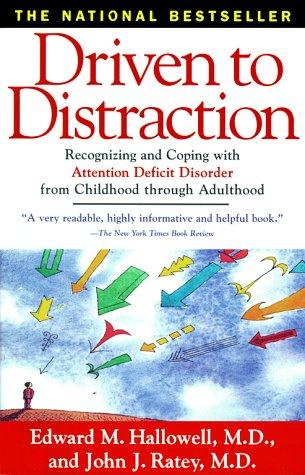
Driven to Distraction by Edward M. Hallowell and John J. Ratey
-
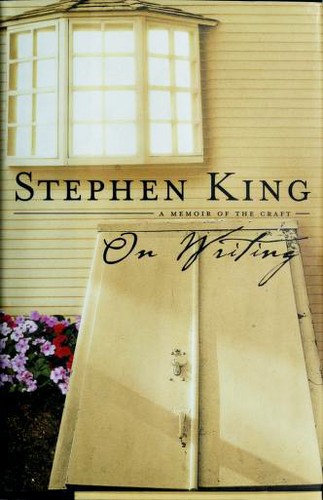
On Writing by Stephen King
Related: Atomic Habits by James Clear: Summary and Key Takeaways · On Writing by Stephen King: Summary and Key Takeaways
Frequently Asked Questions
Can people with ADHD write books?
Yes, many successful authors do.
What is body doubling?
Working alongside another person for accountability.
How long should writing sessions be?
Short sprints of 15 to 25 minutes often work well.
Should I write in order?
Not necessarily.
How do I stop getting distracted?
Use app blockers and keep your phone away.
What if I lose interest in my project?
Switch scenes or chapters to something exciting within it.
Are there apps that help?
Timer and focus apps help many writers.
Does hyperfocus help?
It can, but plan breaks so you do not burn out.
How do I finish a book?
Set small milestones and celebrate each one.
Should I outline?
A loose outline gives structure without rigidity.
Is dictation helpful?
Speaking a draft can be faster for some writers.
Can writing groups help?
Yes, for accountability.
What if I miss days?
Simply restart without guilt.
Should I see a professional?
If ADHD affects daily life, a professional can help with strategies.
Can music help?
Some writers focus better with instrumental music.