
Disclosure: As an Amazon Associate, Bookish Wisdom earns from qualifying purchases. This doesn’t change our picks or your price.
Quick answer: The best books on financial literacy include The Psychology of Money, I Will Teach You to Be Rich, Your Money or Your Life, The Simple Path to Wealth, The Millionaire Next Door and Rich Dad Poor Dad. Start with The Psychology of Money for mindset and I Will Teach You to Be Rich for step-by-step action.
These books are for education only and are not personalized financial, tax or legal advice.
Financial literacy means knowing how money works well enough to make decisions with confidence: budgeting, saving, borrowing, investing and planning. Most of us were never taught this in school, and the result is often anxiety, avoidable debt and missed opportunities. The good news is that the basics are learnable, and some of the best books on the subject are surprisingly entertaining. This list brings together fifteen books that cover mindset, saving, investing and long-term planning, from short classics and modern bestsellers to practical guides for beginners. They reflect different views, so read them with a critical eye. They are for education only, not individual financial advice.
Table of Contents
Quick Picks at a Glance
| Book | Author | Focus | Best For |
|---|---|---|---|
| The Psychology of Money | Morgan Housel | Mindset | readers who want to understand behavior |
| I Will Teach You to Be Rich | Ramit Sethi | Step-by-step plan | young adults |
| Your Money or Your Life | Vicki Robin and Joe Dominguez | Values | readers who question spending |
| The Simple Path to Wealth | JL Collins | Investing | readers who want a simple plan |
| The Millionaire Next Door | Thomas J. Stanley and William D. Danko | Habits | readers curious about wealth |
| Rich Dad Poor Dad | Robert T. Kiyosaki | Mindset | readers who like motivational stories |
| The Richest Man in Babylon | George S. Clason | Parables | readers who like short stories |
| Broke Millennial | Erin Lowry | Basics | young adults |
| Get Good with Money | Tiffany Aliche | Financial wholeness | readers who want a gentle guide |
| The Little Book of Common Sense Investing | John C. Bogle | Index funds | readers who want a short book |
| A Random Walk Down Wall Street | Burton G. Malkiel | Investing | readers who want depth |
| The Bogleheads’ Guide to Investing | Taylor Larimore, Mel Lindauer and Michael LeBoeuf | Index funds | DIY investors |
| Set for Life | Scott Trench | Financial independence | readers wanting a fast path |
| Die with Zero | Bill Perkins | Spending | savers who never spend |
| Financial Freedom | Grant Sabatier | Wealth-building | readers who want side hustles |
1. The Psychology of Money by Morgan Housel
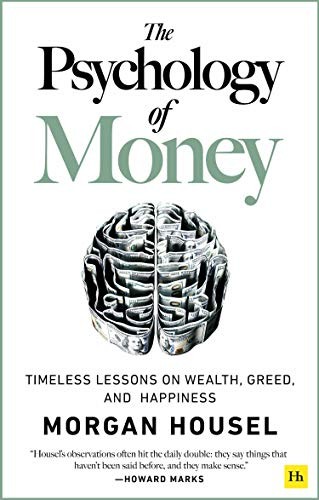
Housel argues that doing well with money depends more on behavior than intelligence. Nineteen short stories illustrate topics like luck, risk and enough. Easy to read and endlessly quotable.
Best for: readers who want to understand behavior.
2. I Will Teach You to Be Rich by Ramit Sethi
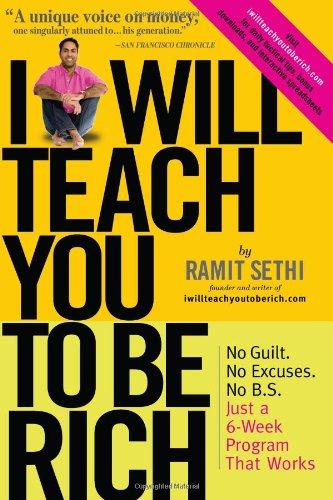
Sethi offers a six-week program for accounts, credit cards, saving and investing with a focus on automation. Direct and humorous, with scripts for negotiating fees.
Best for: young adults.
3. Your Money or Your Life by Vicki Robin and Joe Dominguez
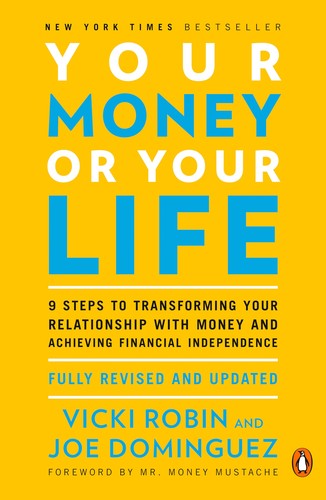
Introduces the idea of trading life energy for money and walks readers through a nine-step program toward financial independence. A classic that remains thought-provoking.
Best for: readers who question spending.
4. The Simple Path to Wealth by JL Collins
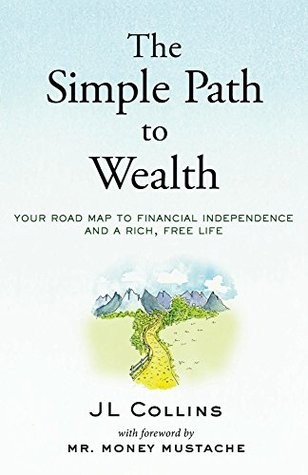
Collins explains why low-cost index funds are the foundation of wealth. Friendly and practical, based on letters to his daughter.
Best for: readers who want a simple plan.
5. The Millionaire Next Door by Thomas J. Stanley and William D. Danko
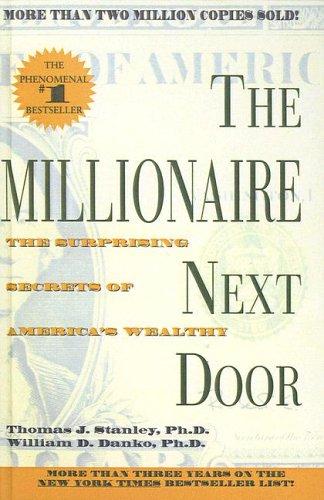
Based on research, it shows that many millionaires live modestly and save consistently. Some data is dated, but the main lessons hold.
Best for: readers curious about wealth.
6. Rich Dad Poor Dad by Robert T. Kiyosaki
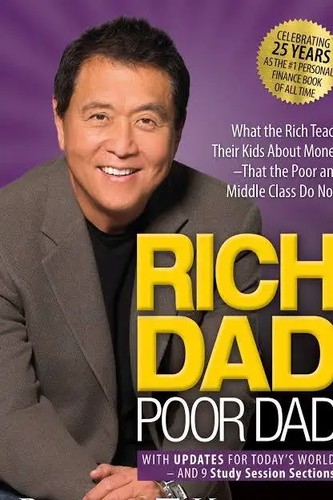
Kiyosaki contrasts two father figures and argues for assets over income. Popular and controversial, since its claims are not always accurate. Read it as inspiration, not instruction.
Best for: readers who like motivational stories.
7. The Richest Man in Babylon by George S. Clason
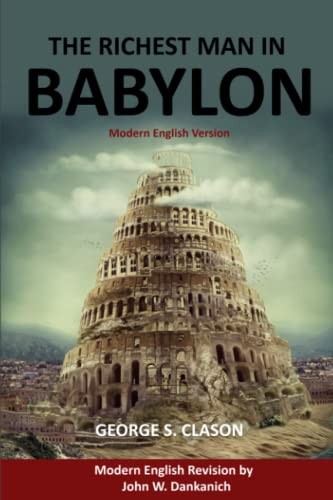
A collection of parables set in ancient Babylon with timeless rules such as paying yourself first. Short and easy to read.
Best for: readers who like short stories.
8. Broke Millennial by Erin Lowry
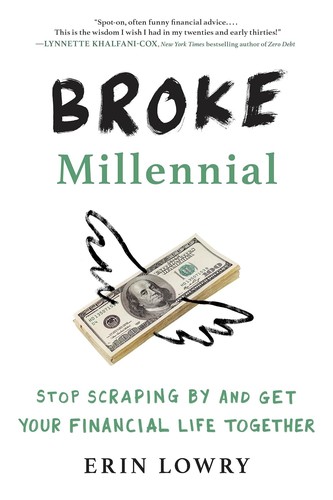
Lowry covers student loans, budgeting, credit and investing with humor and empathy. Friendly for beginners.
Best for: young adults.
9. Get Good with Money by Tiffany Aliche
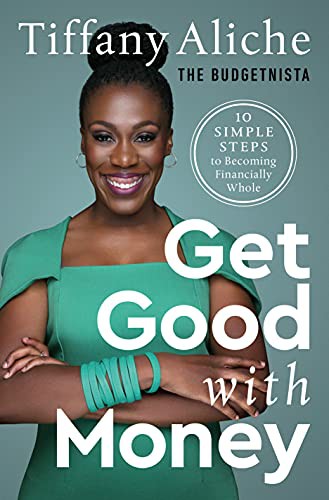
Aliche, known as The Budgetnista, presents ten steps to financial wholeness. Warm, motivating and practical.
Best for: readers who want a gentle guide.
10. The Little Book of Common Sense Investing by John C. Bogle

Bogle, founder of Vanguard, argues for low-cost index funds. Clear and persuasive.
Best for: readers who want a short book.
11. A Random Walk Down Wall Street by Burton G. Malkiel
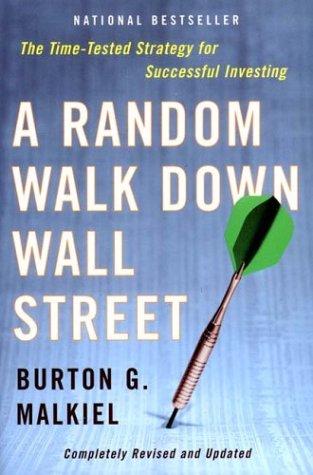
A classic on market efficiency and why it’s hard to beat the market. Long but informative.
Best for: readers who want depth.
12. The Bogleheads’ Guide to Investing by Taylor Larimore, Mel Lindauer and Michael LeBoeuf
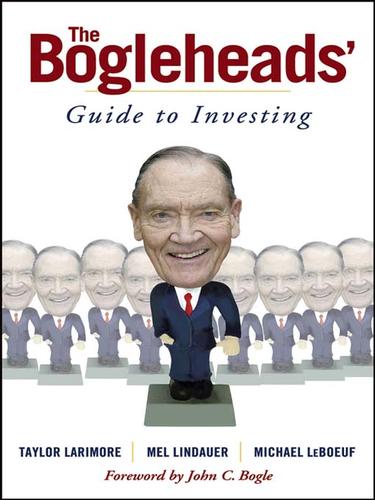
Based on Bogle’s principles, it explains asset allocation, rebalancing and avoiding mistakes. Practical and clear.
Best for: DIY investors.
13. Set for Life by Scott Trench
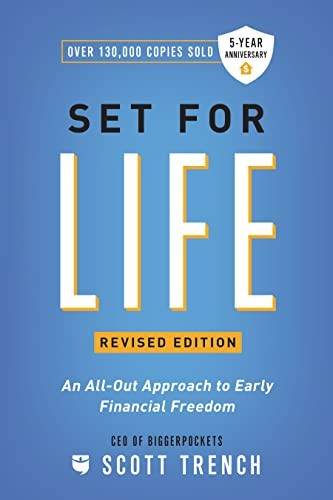
Trench shares his strategy of maximizing income and house hacking. Energetic, but his approach carries risk and may not suit everyone.
Best for: readers wanting a fast path.
14. Die with Zero by Bill Perkins
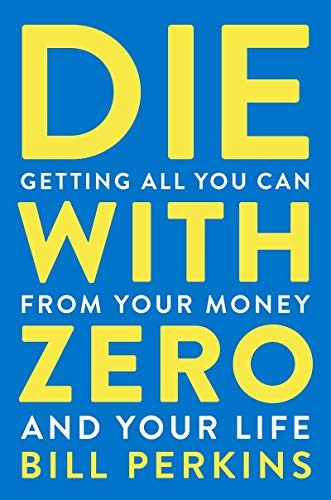
Perkins argues that you should aim to use your money to maximize experiences while you are alive. A provocative counterpoint to saving advice.
Best for: savers who never spend.
15. Financial Freedom by Grant Sabatier
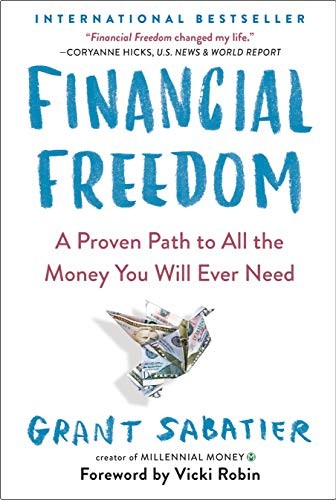
Sabatier describes how he built wealth through income, saving and investing, with a focus on increasing earnings. Energetic and detailed.
Best for: readers who want side hustles.
How to Choose the Right Book on Financial Literacy
Start with the topic that worries you. If you are new to money, I Will Teach You to Be Rich, Broke Millennial and Get Good with Money cover basics. If behavior is the issue, The Psychology of Money and Your Money or Your Life examine habits and values. If you want to invest, The Simple Path to Wealth, The Little Book of Common Sense Investing and The Bogleheads’ Guide to Investing explain index funds. For motivation, The Millionaire Next Door and The Richest Man in Babylon are classics. Always check that advice fits your country’s laws and your own situation.
Which Book Should You Start With? A Quick Guide
If you are not sure where to begin, match your situation to the list below.
- Readers who want to understand behavior: The Psychology of Money
- Young adults: I Will Teach You to Be Rich
- Readers who question spending: Your Money or Your Life
- Readers who want a simple plan: The Simple Path to Wealth
- Readers curious about wealth: The Millionaire Next Door
- Readers who like motivational stories: Rich Dad Poor Dad
- Readers who like short stories: The Richest Man in Babylon
- Young adults: Broke Millennial
- Readers who want a gentle guide: Get Good with Money
- Readers who want a short book: The Little Book of Common Sense Investing
- Readers who want depth: A Random Walk Down Wall Street
- DIY investors: The Bogleheads’ Guide to Investing
- Readers wanting a fast path: Set for Life
- Savers who never spend: Die with Zero
- Readers who want side hustles: Financial Freedom
A Simple Reading Plan
A reading plan works better than a stack of good intentions. Begin with The Psychology of Money, which is the easiest way into financial literacy, and give it two weeks at ten to twenty pages a day. When you finish, spend five minutes writing down the one idea you want to try. Then move to I Will Teach You to Be Rich, and only after that to Your Money or Your Life or a title that is denser. Mixing formats helps: read one book on paper, listen to another on a walk and keep a third on your phone for waiting rooms. If a book is not helping after fifty pages, put it down without guilt and try the next one, because the right book at the right time matters more than finishing every one.
Print, E-Book or Audiobook?
You do not have to pick one format. For a book on financial literacy, listen to the audiobook while walking or driving, and keep the paper or e-book handy for the chapters you want to study. Reading and listening together can improve retention, since you hear the author’s voice and see the structure on the page. Library apps lend all three formats free, and used paperbacks are inexpensive. If your attention drifts with long audio sessions, try 1.25x speed for an easy book and normal speed for a dense one. Choose whatever makes it easiest to read a little every day.
How to Get More From What You Read
Reading is the first step, and practice is the second. For each book on financial literacy, choose one idea that fits your life and schedule it, whether it is a ten-minute exercise, a conversation or a habit. Write it where you will see it, such as on a sticky note or in your calendar. After two weeks, ask what worked and what did not, and adjust. Sharing your progress with a friend adds accountability. If a book offers exercises, do them with a pencil instead of skipping to the next chapter, because the exercises are where most of the value lies.
Reading on a Budget
Reading about financial literacy does not have to be expensive. Start at the library, where print books, e-books and audiobooks are free with a card and a hold list, and ask the librarian for related titles. Secondhand bookstores and online used sellers keep prices low, and older editions are usually just as good as new ones. Watch for e-book sales, and borrow a title before buying it to be sure it suits you. When a book becomes a favorite, buy a copy for your shelf so you can reread and annotate it.
Talk About What You Read
Talking about what you read turns information into understanding. After each book on financial literacy, tell someone one thing you learned, even if it is just a five-minute chat over dinner. Post a short review for other readers, which forces you to organize your thoughts. If a book raises difficult feelings, share them with a trusted friend or counselor instead of carrying them alone. And if you disagree with an author, say so; thoughtful disagreement is part of learning, and it sharpens your own view.
Common Mistakes to Avoid
Readers often make a few predictable mistakes with books on financial literacy. The first is reading too many at once and finishing none, so stick with one or two at a time. The second is looking for a perfect answer, when most authors offer ideas to test, not rules to follow. The third is skipping the exercises or reflection questions, which are often the most useful parts. The fourth is comparing yourself with the author’s success story. Finally, do not treat a book as a substitute for support from people who know you. Use books as one tool among several, and be kind to yourself when progress is slow.
How to Judge a Book on Financial literacy
Not every book on financial literacy is equally reliable. Before you trust one, check the author’s background: are they a researcher, clinician, journalist or someone writing from lived experience? Each can be valuable, but they offer different things. Look for notes and references at the back, which show the claims can be checked. Be wary of books that promise a quick fix, rely on a single story or dismiss all other views. Read a few reviews from people with different perspectives, and treat bold claims as hypotheses to test in your own life. A good book invites questions instead of demanding agreement.
When Reading Is Not Enough
Reading can illuminate and encourage, yet some situations need more than a book. If you notice that your struggles with financial literacy are getting worse, lasting a long time or affecting your health, reach out to a professional you trust. Local libraries, community centers and workplaces often offer free resources, classes or referrals. Sharing what you are reading with a friend can open the door to a supportive conversation. Use these books as companions on the journey, and let real people walk it with you.
Questions to Reflect On
Keep these in a notebook and return to them after each book:
- What do I most want to understand or change about {t}?
- Which idea from my reading feels true for me, and which do I doubt?
- What is one small action I can take this week?
- Who could I talk to about what I am learning?
- How will I know in a month that this reading helped?
Tips for Reading About Financial literacy
- Automate saving. Set up transfers on payday.
- Know your numbers. Track income, spending and debt.
- Build an emergency fund. Even a small cushion helps.
- Keep fees low. Costs eat returns.
- Start now. Time is the biggest advantage.
Related: 15 Best Books on Healthy Relationships and atomic Habits Summary and Key Takeaways.
Frequently Asked Questions
What is the best book on financial literacy?
The Psychology of Money and I Will Teach You to Be Rich are popular starting points.
Which book is best for investing basics?
The Simple Path to Wealth and The Little Book of Common Sense Investing are accessible.
Are these books financial advice?
No. They are educational. Consult a qualified professional for your situation.
How many books on financial literacy should I read at once?
One or two at a time is plenty. Finish a book, try one idea from it and then move on, so what you read turns into something you do.
Are these books on financial literacy available as audiobooks?
Most of them are. Check your library’s app, such as Libby, or an audiobook service, and listen to a sample to see whether the narrator suits you.