
Disclosure: As an Amazon Associate, Bookish Wisdom earns from qualifying purchases. This doesn’t change our picks or your price.
Quick answer: The best books on healthy relationships include Attached, Hold Me Tight, Nonviolent Communication, Set Boundaries, Find Peace, The Dance of Connection and Why Does He Do That?. Start with Attached to understand your patterns, Nonviolent Communication for speaking honestly and Set Boundaries, Find Peace for limits.
If you are in an unsafe or abusive relationship, help is available. In the United States, call or text the National Domestic Violence Hotline at 1-800-799-7233.
A healthy relationship is not one without conflict; it is one where both people feel safe, respected and able to be themselves. Many of us were never taught how to build that, whether with partners, friends, family or colleagues. We learned from what we saw, and some of it needs updating. The books in this list explain attachment, communication, boundaries and repair, and several help readers recognize unhealthy patterns, including controlling behavior. Some are written for couples, others for anyone. Read them with curiosity instead of blame, and notice the relationships where you already do things well. Small changes in how you listen and speak can transform how close you feel.
Table of Contents
Quick Picks at a Glance
| Book | Author | Focus | Best For |
|---|---|---|---|
| Attached | Amir Levine and Rachel Heller | Attachment styles | readers curious about patterns |
| Hold Me Tight | Sue Johnson | Emotional bonds | couples in a rut |
| Nonviolent Communication | Marshall B. Rosenberg | Communication | anyone who struggles to speak honestly |
| Set Boundaries, Find Peace | Nedra Glover Tawwab | Boundaries | people-pleasers |
| The Dance of Connection | Harriet Lerner | Hard conversations | readers avoiding difficult talks |
| Why Does He Do That? | Lundy Bancroft | Abuse | readers worried about control |
| How to Be an Adult in Relationships | David Richo | Maturity | readers wanting depth |
| The Seven Principles for Making Marriage Work | John M. Gottman and Nan Silver | Couples | partners seeking tools |
| Getting the Love You Want | Harville Hendrix | Couples | partners wanting structure |
| Wired for Love | Stan Tatkin | Couple regulation | readers interested in brain science |
| Love Sense | Sue Johnson | Love science | readers who like research |
| Crucial Conversations | Kerry Patterson, Joseph Grenny, Ron McMillan and Al Switzler | Conflict | readers facing tense talks |
| Come as You Are | Emily Nagoski | Intimacy | readers curious about desire |
| Maybe You Should Talk to Someone | Lori Gottlieb | Memoir | readers curious about therapy |
| The Gifts of Imperfection | Brené Brown | Self-worth | readers rebuilding confidence |
1. Attached by Amir Levine and Rachel Heller
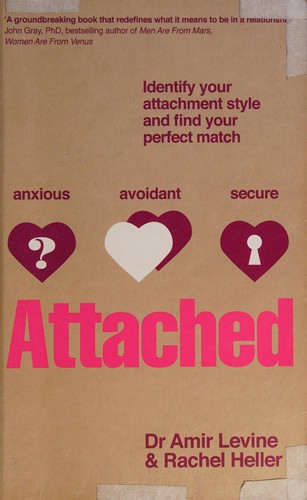
Explains anxious, avoidant and secure attachment styles and how they influence relationships. Many readers recognize themselves instantly, and the book suggests ways to choose partners and communicate needs. A helpful framework, though real people are more complex than any category.
Best for: readers curious about patterns.
2. Hold Me Tight by Sue Johnson
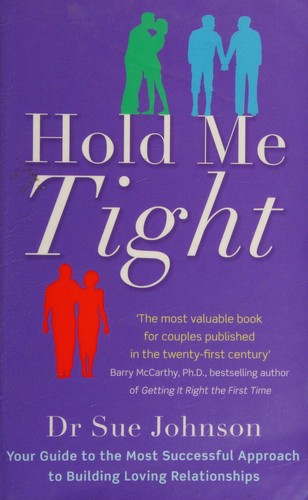
Johnson’s emotionally focused approach explains why couples get stuck in cycles of criticism and withdrawal. She guides readers through seven conversations that rebuild closeness.
Best for: couples in a rut.
3. Nonviolent Communication by Marshall B. Rosenberg
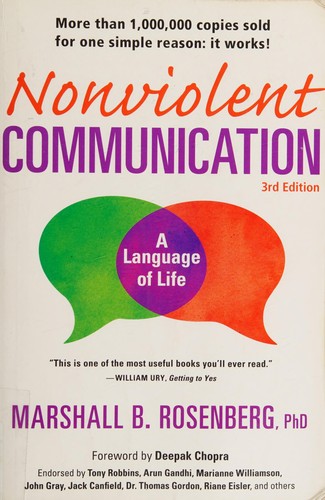
Rosenberg teaches four steps: observations, feelings, needs and requests. The method can feel awkward at first but transforms conflicts into conversations.
Best for: anyone who struggles to speak honestly.
4. Set Boundaries, Find Peace by Nedra Glover Tawwab
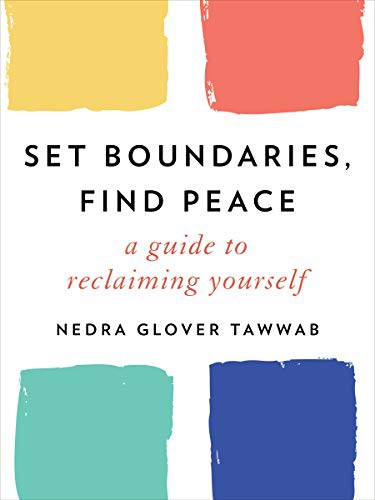
A therapist explains how to identify and communicate boundaries in family, friendships, work and romantic relationships. Practical, with scripts and reflection questions.
Best for: people-pleasers.
5. The Dance of Connection by Harriet Lerner
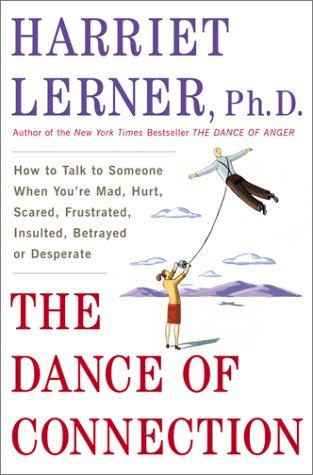
Lerner shows how to speak up in relationships without blaming or withdrawing. Warm and wise, with examples.
Best for: readers avoiding difficult talks.
6. Why Does He Do That? by Lundy Bancroft
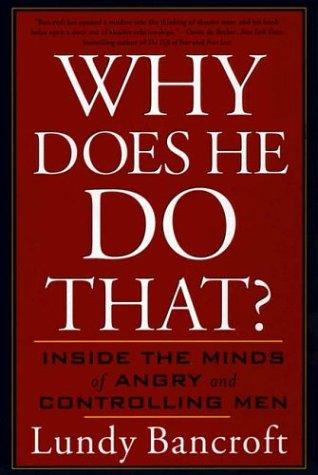
Bancroft, who worked with abusive men, explains the mindset behind controlling and abusive behavior. Essential reading for anyone who suspects a relationship is unsafe. Content note: discussion of abuse.
Best for: readers worried about control.
7. How to Be an Adult in Relationships by David Richo
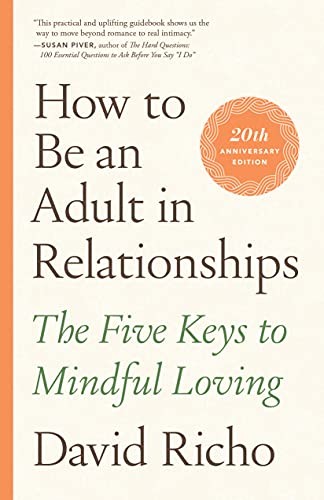
Richo describes five ‘A’s of mature love: attention, acceptance, appreciation, affection and allowing. Calm and thoughtful.
Best for: readers wanting depth.
8. The Seven Principles for Making Marriage Work by John M. Gottman and Nan Silver
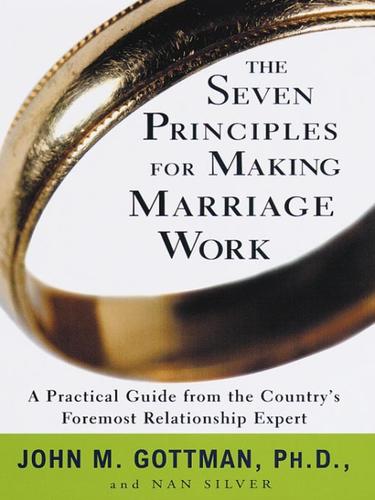
Based on decades of research, it describes habits that sustain lasting relationships. Includes exercises to try together.
Best for: partners seeking tools.
9. Getting the Love You Want by Harville Hendrix
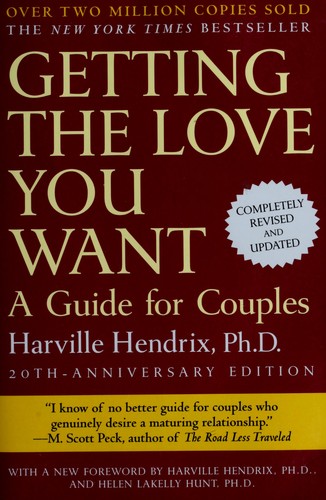
Hendrix offers the Imago dialogue and exercises to help couples heal old wounds. A workbook companion is available.
Best for: partners wanting structure.
10. Wired for Love by Stan Tatkin
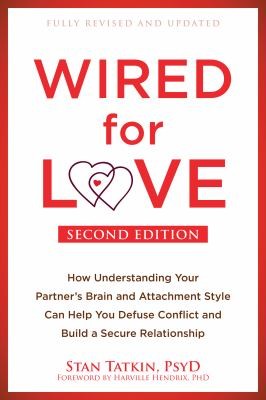
Explains how partners regulate each other’s nervous systems and offers ways to build a ‘couple bubble.’
Best for: readers interested in brain science.
11. Love Sense by Sue Johnson
Johnson argues that love is a survival bond and explores how couples can repair connection. Accessible and warm.
Best for: readers who like research.
12. Crucial Conversations by Kerry Patterson, Joseph Grenny, Ron McMillan and Al Switzler
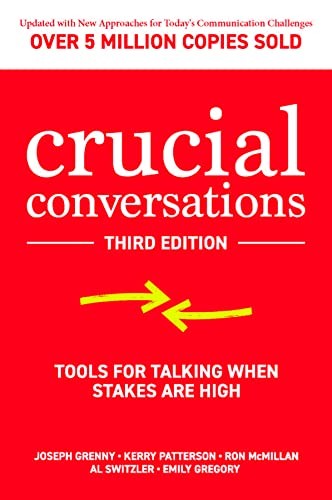
Offers tools for speaking up when stakes are high and emotions run strong. Useful at home and work.
Best for: readers facing tense talks.
13. Come as You Are by Emily Nagoski
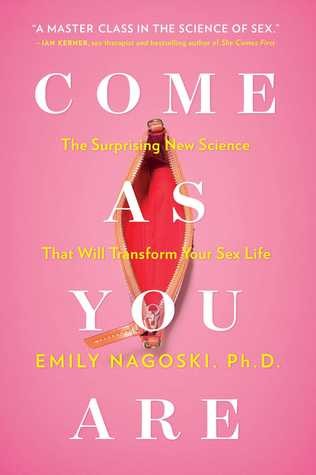
Nagoski uses science to explain sexual response and dispel myths. Helpful for couples who want to approach intimacy with compassion. Content note: frank discussion of sex.
Best for: readers curious about desire.
14. Maybe You Should Talk to Someone by Lori Gottlieb
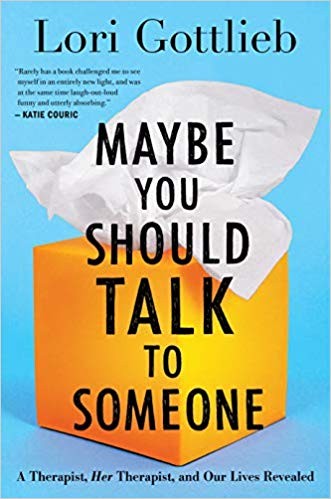
A therapist writes about her own therapy and her patients’ stories. Funny and moving, it normalizes asking for help.
Best for: readers curious about therapy.
15. The Gifts of Imperfection by Brené Brown
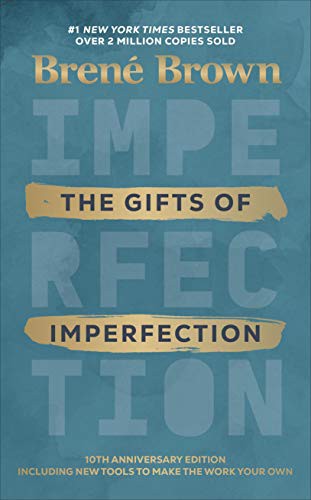
Brown encourages self-acceptance, which underlies healthy relationships. Short and approachable.
Best for: readers rebuilding confidence.
How to Choose the Right Book on Healthy Relationships
Choose by your question. If you want to understand why you react the way you do, Attached and How to Be an Adult in Relationships explain patterns. If conversations go wrong, Nonviolent Communication and Crucial Conversations provide scripts. If you struggle to say no, Set Boundaries, Find Peace is practical. If you suspect your relationship is controlling or harmful, Why Does He Do That? is essential. For couples, The Seven Principles, Hold Me Tight and Getting the Love You Want offer structured help. Read at your own pace and, if safety is a concern, seek support from professionals.
Which Book Should You Start With? A Quick Guide
If you are not sure where to begin, match your situation to the list below.
- Readers curious about patterns: Attached
- Couples in a rut: Hold Me Tight
- Anyone who struggles to speak honestly: Nonviolent Communication
- People-pleasers: Set Boundaries, Find Peace
- Readers avoiding difficult talks: The Dance of Connection
- Readers worried about control: Why Does He Do That?
- Readers wanting depth: How to Be an Adult in Relationships
- Partners seeking tools: The Seven Principles for Making Marriage Work
- Partners wanting structure: Getting the Love You Want
- Readers interested in brain science: Wired for Love
- Readers who like research: Love Sense
- Readers facing tense talks: Crucial Conversations
- Readers curious about desire: Come as You Are
- Readers curious about therapy: Maybe You Should Talk to Someone
- Readers rebuilding confidence: The Gifts of Imperfection
A Simple Reading Plan
A sensible order helps you build momentum. Open with Attached, which is accessible and encouraging, and finish it before you buy anything else. Next, choose Hold Me Tight to deepen what you learned, then Nonviolent Communication when you are ready for a different voice or a more demanding read. Between books, take a few days to try something you learned, because healthy relationships is easier to understand once you have tested it in real life. Keep a simple note on your phone with the title, your rating and one takeaway for each book you complete.
Print, E-Book or Audiobook?
Print, e-book and audiobook each suit different readers. Print is best for books you want to mark up and return to, which is useful for practical guides on healthy relationships. E-books are cheap, portable and easy to search, and they make it simple to highlight a passage and find it again later. Audiobooks turn commutes, chores and walks into reading time, and a good narrator can make a heavy book on healthy relationships easier to take in. Your public library offers all three through apps like Libby, so you can try a title before buying it. Many readers use two formats for the same book, listening first and then skimming a print copy for notes.
How to Get More From What You Read
To get more from these books, read with a pen and a question. Decide before you start what you hope to learn about healthy relationships, and check at the end of each chapter whether you found it. Mark passages that feel true for you, and write down the ones you disagree with, since disagreement is also learning. Pick one practice from each book and try it for two weeks before judging it. Talking about the ideas with someone you trust, or writing a few lines in a journal, helps them move from your head into your life. Be patient with yourself; change comes in small steps.
Reading on a Budget
You do not need to buy all of these books. Your public library likely lends print, e-book and audiobook copies of many titles on healthy relationships for free, and the hold feature lets you queue for popular ones. Used paperbacks are usually a few dollars, and thrift stores, library sales and swap groups are good sources. If you want to own a book you will mark up, buy the print edition; if you want to try several, borrow first and buy only the ones you finish and love. Subscription audiobook services often offer a free trial that covers a first title, and some libraries partner with apps that need only a library card.
Talk About What You Read
Reading on your own is valuable, and reading with others adds accountability. Consider forming a small book club around healthy relationships, taking turns to choose a title from this list. Meet monthly, ask each person to share one idea and one action, and keep the tone supportive rather than competitive. If your friends are not interested, look for a local library group or an online community. A shared conversation helps you notice things you missed, and the encouragement of others makes it easier to keep going when progress feels slow.
Common Mistakes to Avoid
Three mistakes come up again and again. First, readers choose a book that is too advanced or too long and give up on the topic altogether, so start with an accessible title. Second, they read passively, without notes or a plan to use what they learn about healthy relationships. Third, they expect immediate results and quit when the change is slow. Avoid these by starting small, taking notes and giving each idea at least two weeks. If a book does not suit you, move on; the list above has plenty of other voices.
How to Judge a Book on Healthy relationships
A few quick checks can save you time when choosing a book on healthy relationships. Look at who wrote it and what qualifies them. See whether the author cites research or sources, and whether those sources are recent enough to matter. Notice the tone: honest authors admit limits and exceptions, while less reliable ones speak in absolutes. Skim the table of contents and a sample chapter, and read both enthusiastic and critical reviews. If a claim seems too good to be true, search for what other experts say. Reading widely across several authors is the best protection against any single voice.
When Reading Is Not Enough
Books are a good start, but they are not the whole answer to every situation involving healthy relationships. If your difficulties interfere with sleep, work, relationships or safety, talk with a doctor, counselor or other qualified professional. Support groups, whether in person or online, can give you something books cannot: people who understand and respond. Friends and family can help if you let them know what you need. Think of your reading as one part of a larger toolkit, and do not hesitate to add other tools. Asking for help is a sign of strength and often speeds progress.
Questions to Reflect On
Keep these in a notebook and return to them after each book:
- What do I most want to understand or change about {t}?
- Which idea from my reading feels true for me, and which do I doubt?
- What is one small action I can take this week?
- Who could I talk to about what I am learning?
- How will I know in a month that this reading helped?
Tips for Reading About Healthy relationships
- Learn your patterns. Notice how you react when you feel hurt.
- Use ‘I’ statements. Speak about your feelings instead of blaming.
- Repair quickly. Apologize and reconnect after a fight.
- Respect boundaries. Healthy relationships honor ‘no.’
- Get help when needed. Therapists and hotlines are there for safety concerns.
Related: 15 Best Books on Being Single and the Subtle Art of Not Giving a F*ck Summary and Key Takeaways.
Frequently Asked Questions
What is the best book on healthy relationships?
Attached and Hold Me Tight are widely recommended for understanding connection.
Which book helps with communication?
Nonviolent Communication and Crucial Conversations teach practical skills.
What should I read if my relationship feels controlling?
Why Does He Do That? explains controlling behavior. In the United States, the National Domestic Violence Hotline is 1-800-799-7233.
How many books on healthy relationships should I read at once?
One or two at a time is plenty. Finish a book, try one idea from it and then move on, so what you read turns into something you do.
Are these books on healthy relationships available as audiobooks?
Most of them are. Check your library’s app, such as Libby, or an audiobook service, and listen to a sample to see whether the narrator suits you.