Themes in The Name of the Wind Explained
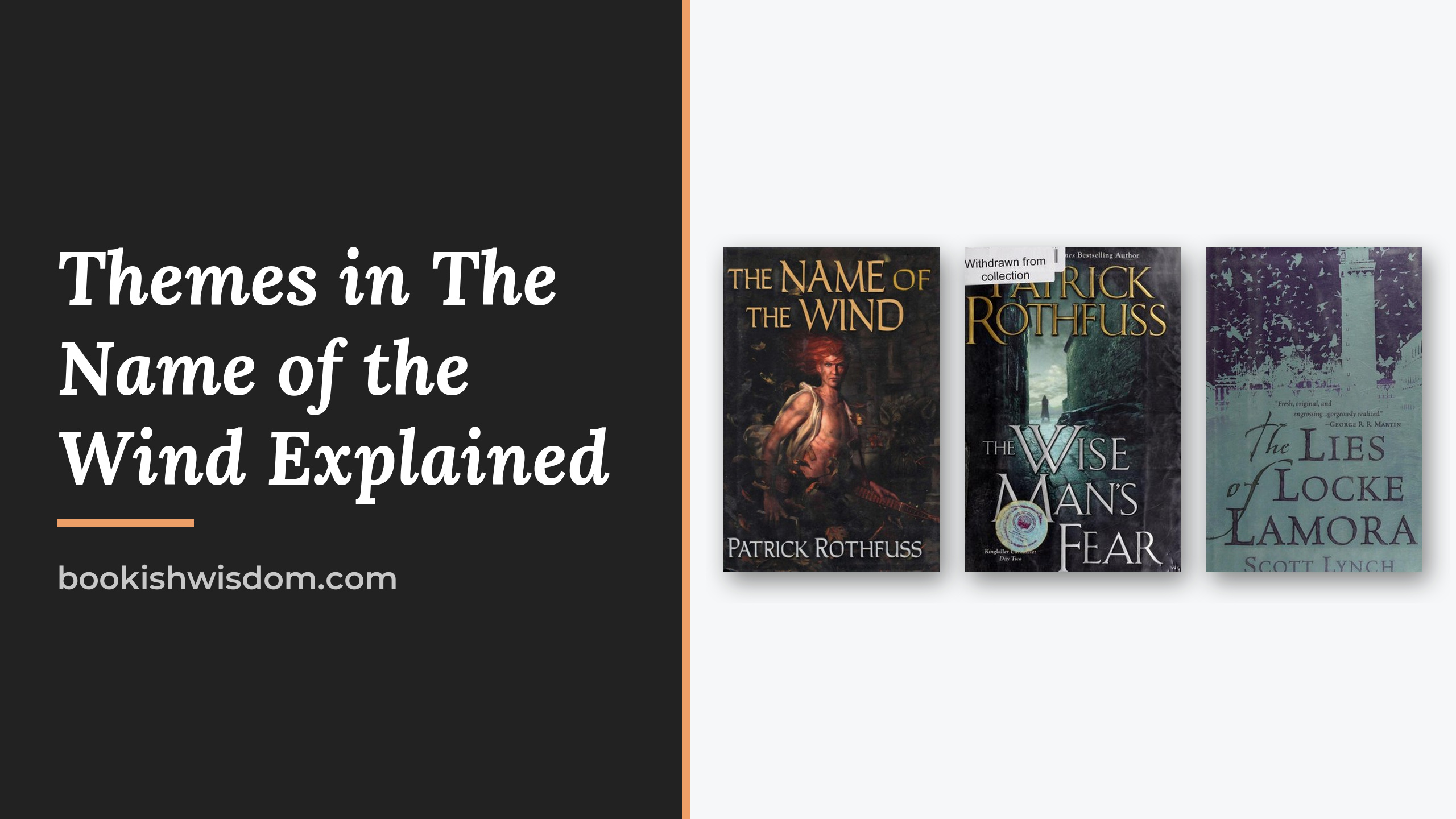
The main themes in The Name of the Wind by Patrick Rothfuss are storytelling and legend, grief and trauma, knowledge and curiosity, poverty and survival and love.

The main themes in The Name of the Wind by Patrick Rothfuss are storytelling and legend, grief and trauma, knowledge and curiosity, poverty and survival and love.
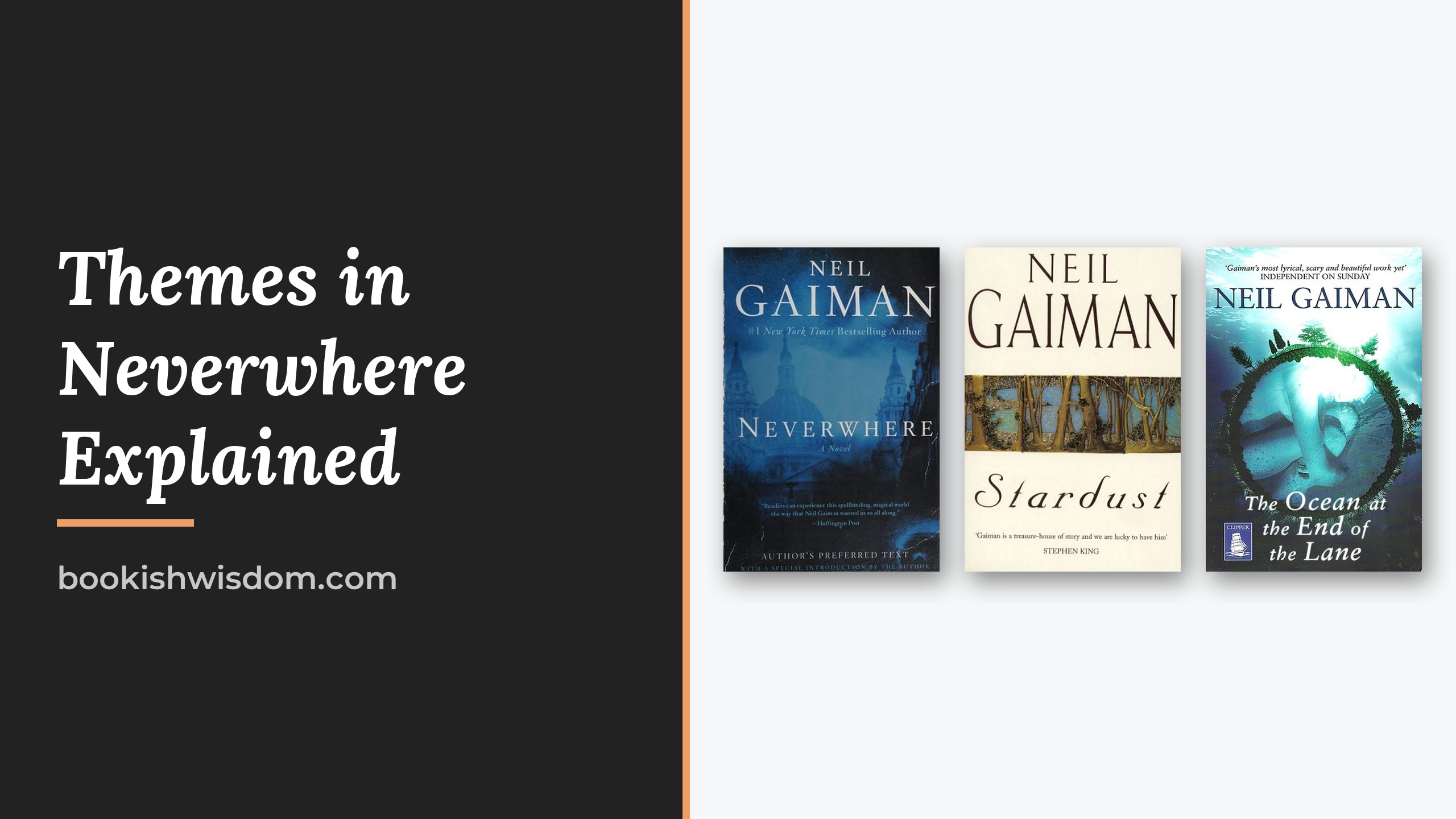
The main themes in Neverwhere by Neil Gaiman are the invisible and the forgotten, identity, courage and growth, home and belonging and trust and betrayal.
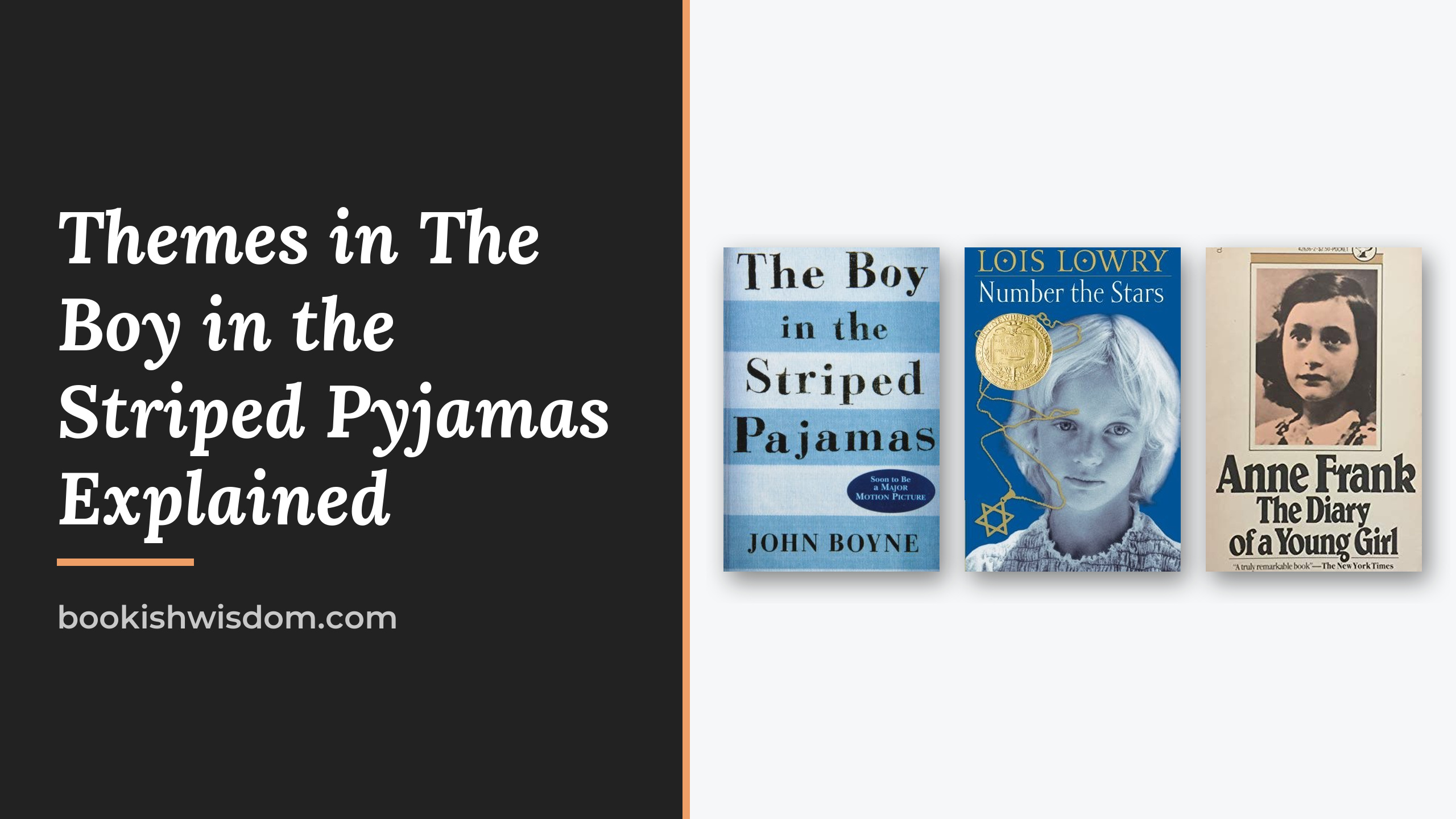
The main themes in The Boy in the Striped Pyjamas by John Boyne are innocence and ignorance, friendship across barriers, prejudice and dehumanization, family and complicity and the cost of looking away.
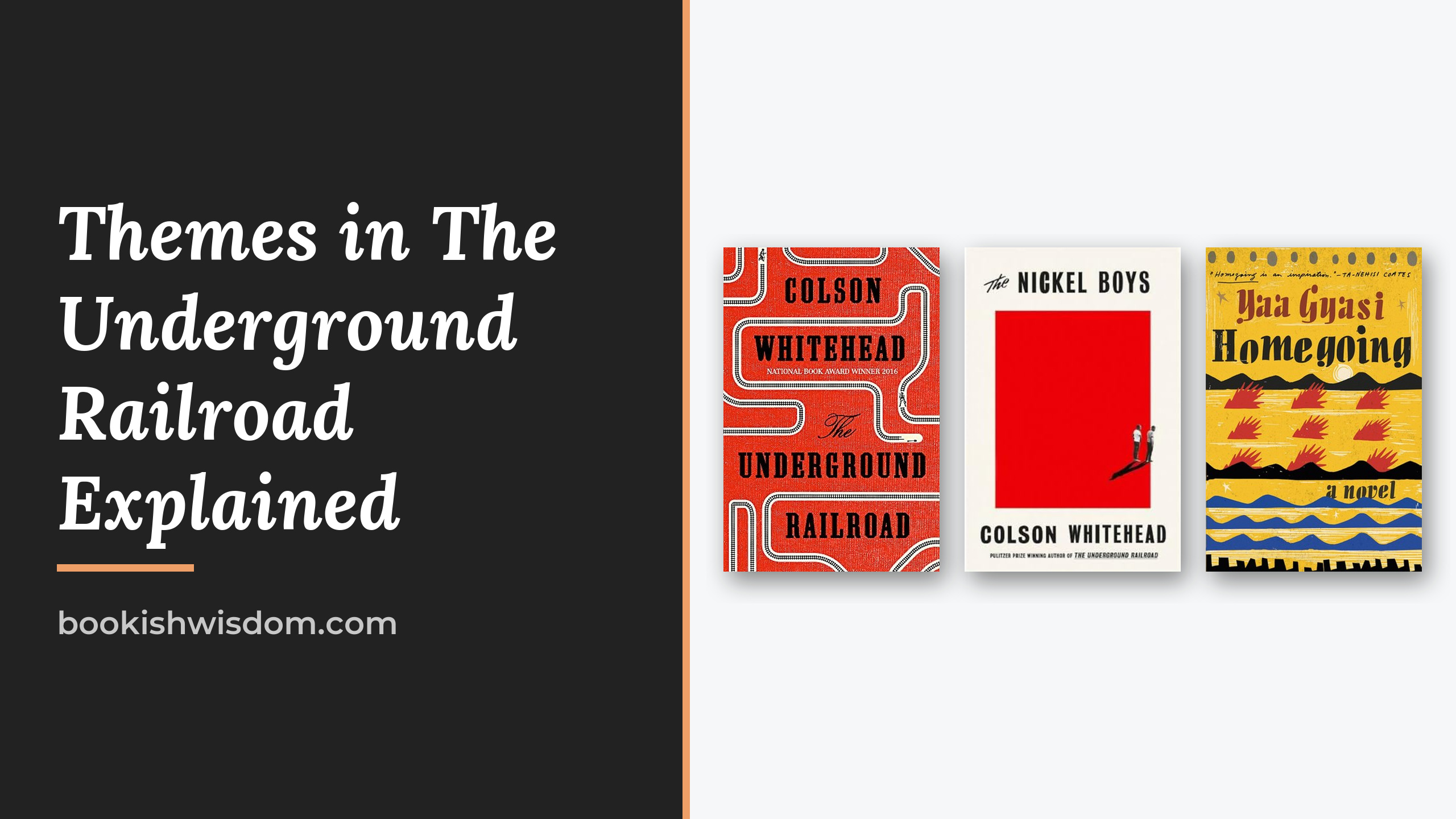
The main themes in The Underground Railroad by Colson Whitehead are freedom, the brutality of slavery, history and memory, resistance and family and abandonment.

The main themes in Half of a Yellow Sun by Chimamanda Ngozi Adichie are war and its human cost, love and betrayal, class, identity and nationalism and who tells the story.
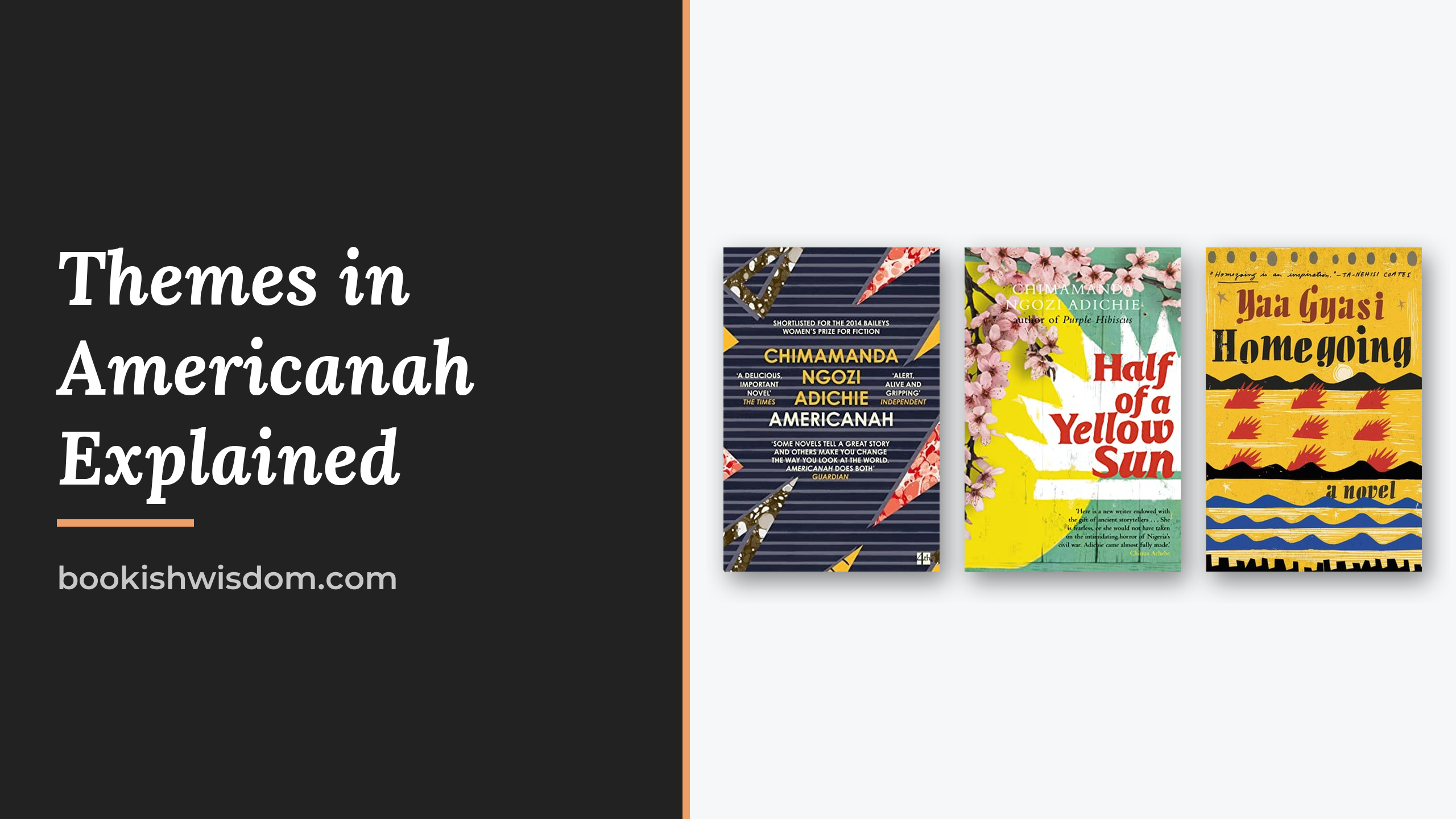
The main themes in Americanah by Chimamanda Ngozi Adichie are race and identity, immigration, love, hair and appearance and home and return.
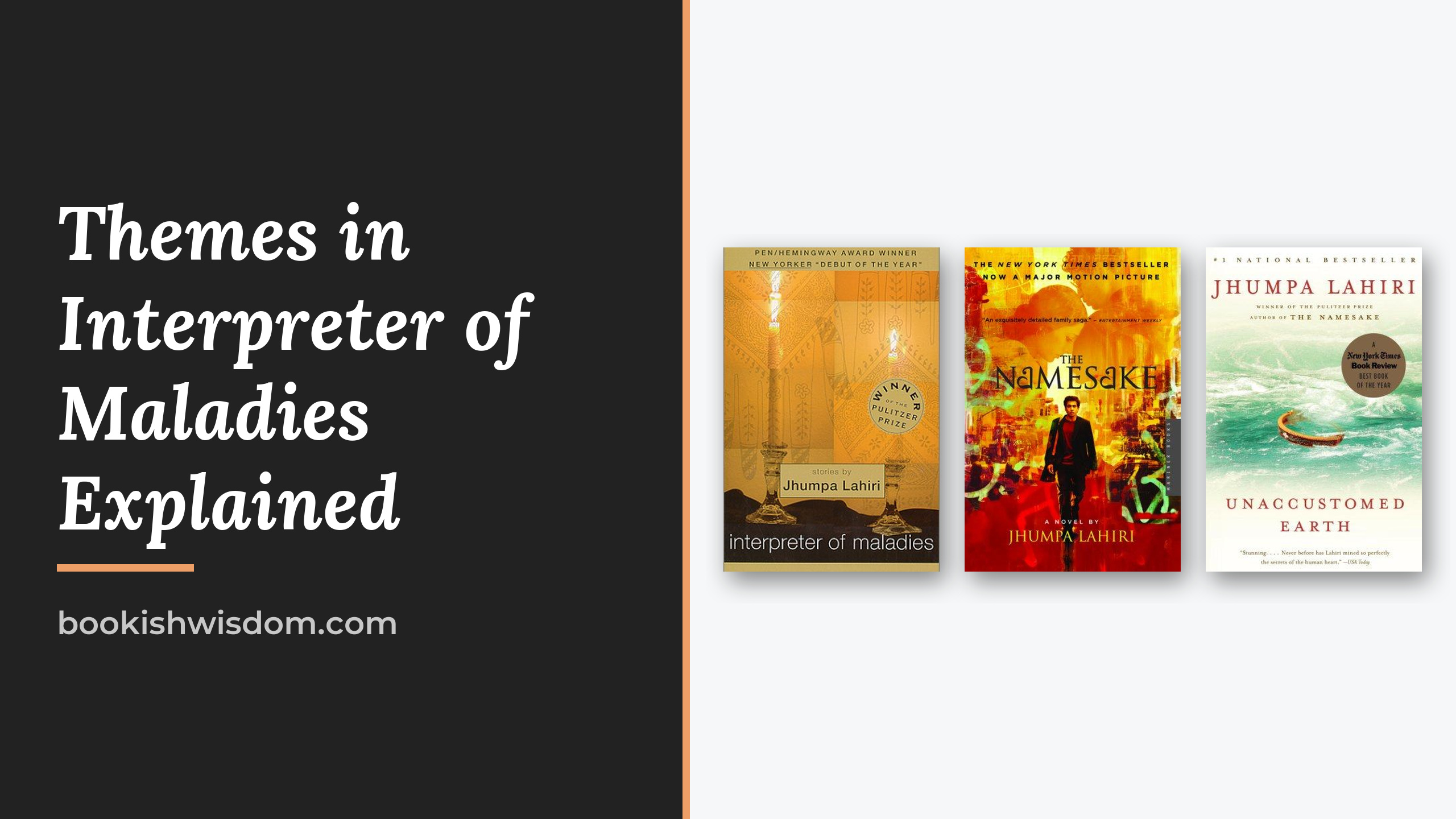
The main themes in Interpreter of Maladies by Jhumpa Lahiri are communication and miscommunication, immigration and belonging, marriage and intimacy, outsiders and memory and home.

The main themes in The Hours by Michael Cunningham are time and the ordinary day, mental illness, women’s roles and freedom, love and loss and art and life.
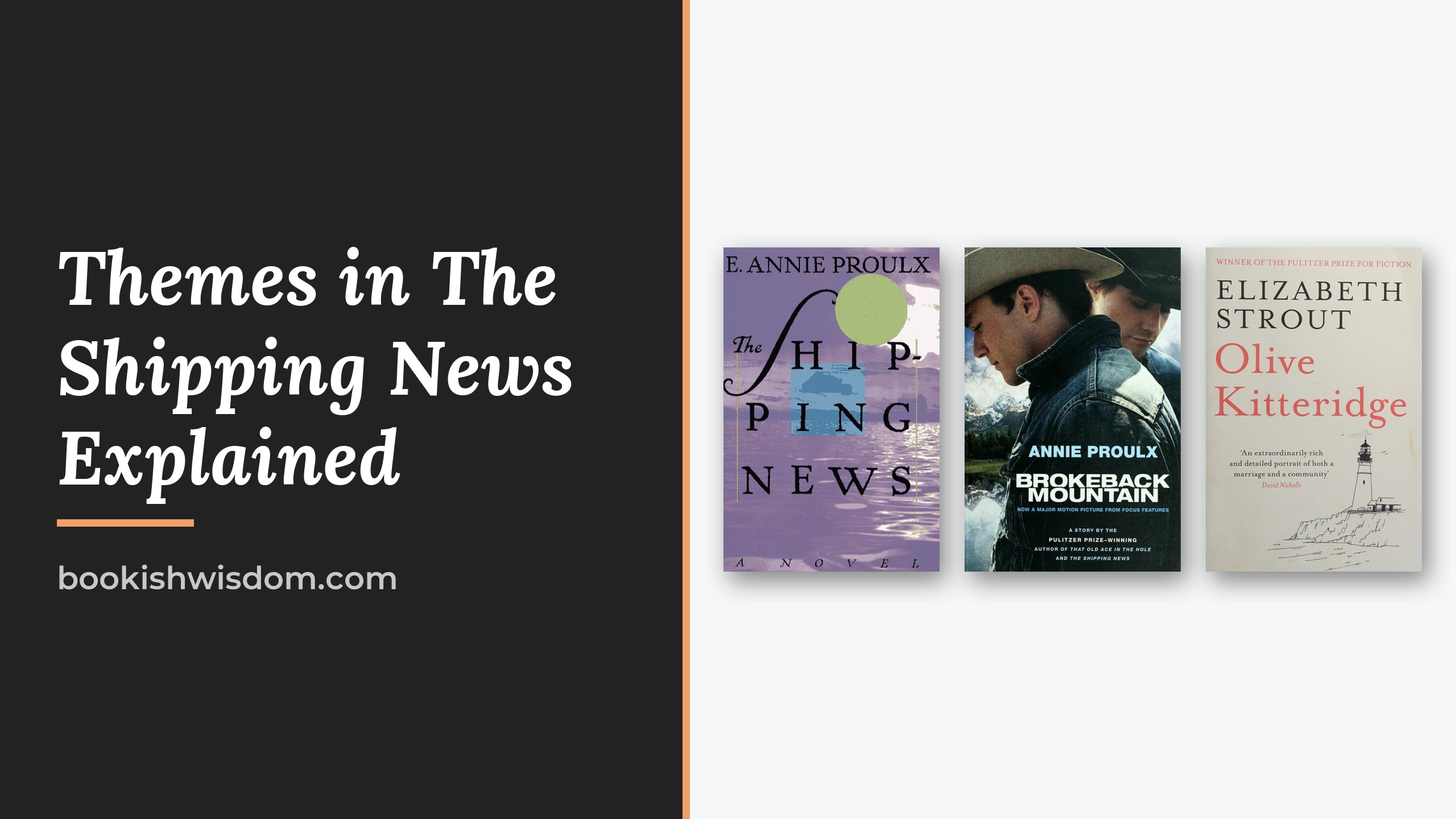
The main themes in The Shipping News by Annie Proulx are starting over, family history, community, nature and love.
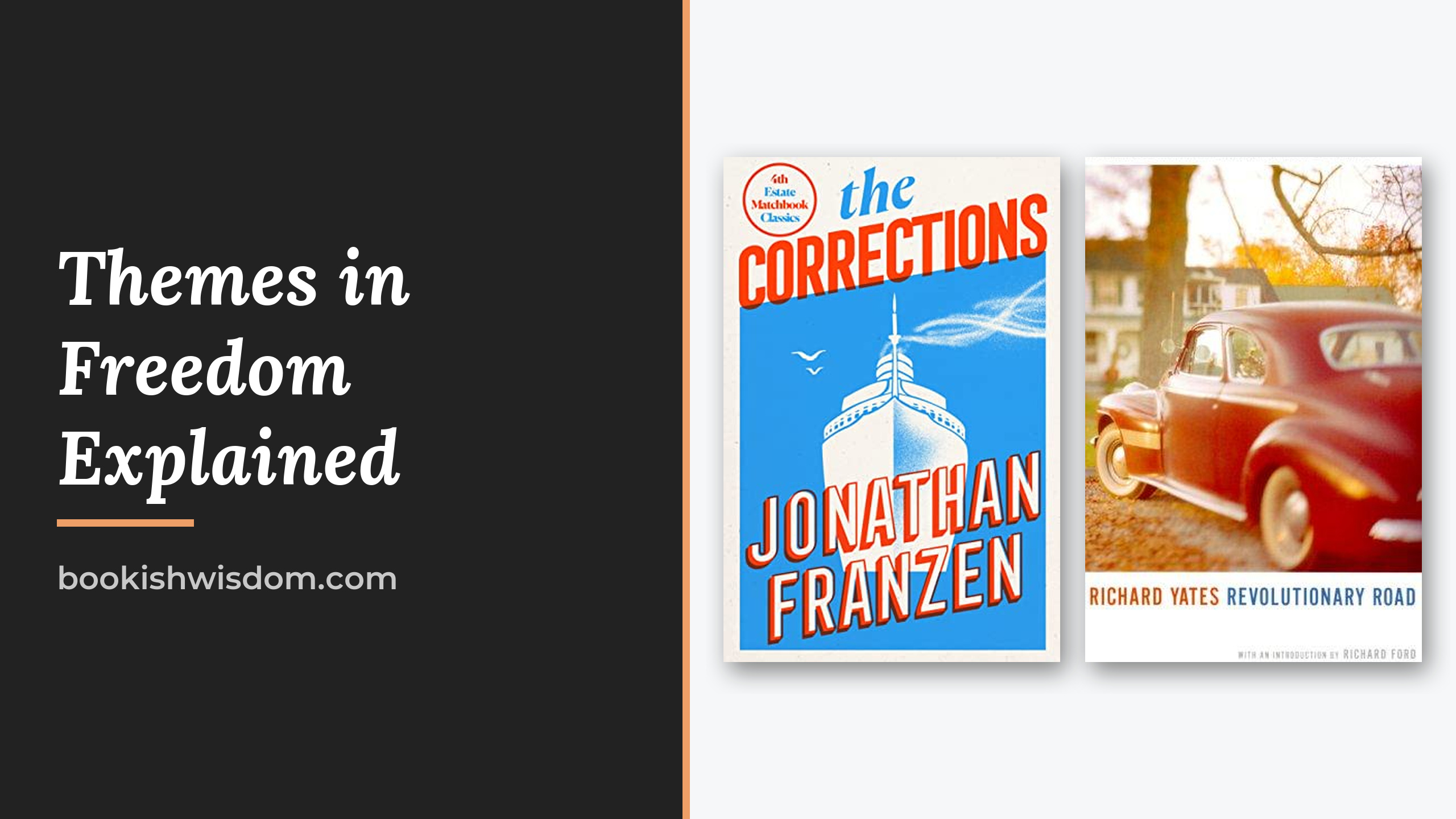
The main themes in Freedom by Jonathan Franzen are freedom, marriage, the environment, politics and competition.