
Disclosure: As an Amazon Associate, Bookish Wisdom earns from qualifying purchases. This doesn't change our picks or your price.
Spoiler warning: this analysis discusses the whole book, including the ending of 1984.
Quick answer: The main themes in 1984 by George Orwell are totalitarian control, truth and history, surveillance, language and thought and love and rebellion. Each is explained below with what it means, how it develops in the story and questions you can use for study or discussion.
Quick facts
- Book: 1984 by George Orwell
- First published: 1949
- Main themes: totalitarian control, truth and history, surveillance, language and thought and love and rebellion
Table of Contents
About 1984
In the superstate of Oceania, Winston Smith works at the Ministry of Truth rewriting history to match the Party's ever-changing claims. Big Brother watches everyone through telescreens, and even private thoughts can be crimes. Winston begins a secret diary and a forbidden love affair with Julia, and he dares to hope the shadowy Brotherhood can overthrow the Party. But the Thought Police are closer than he imagines, and the Party's methods of control are total.
The Main Themes in 1984
1. Totalitarian control
The Party controls work, love, language and even memory. Orwell shows a state that wants not just obedience but complete ownership of the human mind, and he warns how such power can be built step by step.
Question to consider: Where in 1984 does totalitarian control matter most to the characters, and what does George Orwell want readers to think about it?
2. Truth and history
Winston's job is to erase and rewrite the past. The novel shows that whoever controls records and facts can control what people believe, and that truth itself becomes fragile under such power.
Question to consider: Where in 1984 does truth and history matter most to the characters, and what does George Orwell want readers to think about it?
3. Surveillance
Telescreens, spies and informers make privacy impossible. Orwell's picture of constant watching has shaped how readers think about governments, technology and personal freedom ever since.
Question to consider: Where in 1984 does surveillance matter most to the characters, and what does George Orwell want readers to think about it?
4. Language and thought
Newspeak shrinks the language so that rebellious ideas cannot even be expressed. The book argues that limiting words is a way of limiting thought, and that clear language protects freedom.
Question to consider: Where in 1984 does language and thought matter most to the characters, and what does George Orwell want readers to think about it?
5. Love and rebellion
Winston and Julia's affair is an act of resistance because the Party wants all loyalty for itself. The story asks whether personal love can survive a system designed to crush it.
Question to consider: Where in 1984 does love and rebellion matter most to the characters, and what does George Orwell want readers to think about it?
Symbols and Motifs
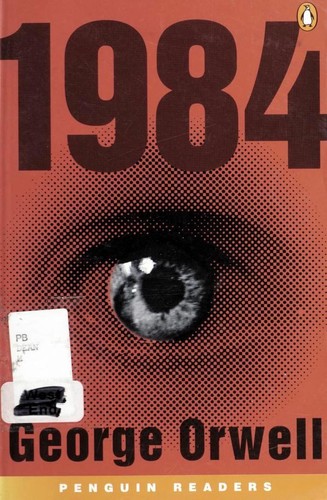
- Big Brother. The face on every poster represents the Party's all-seeing power.
- The glass paperweight. It stands for Winston's fragile link to the past and private beauty.
- Room 101. It symbolises the Party's ability to break anyone through fear.
- The telescreen. It represents surveillance and the loss of privacy.
How the Themes Connect
Totalitarian control is the goal, and surveillance, rewritten history and Newspeak are its tools. Winston's love for Julia becomes his rebellion, and the novel shows how the Party targets exactly that loyalty. Together the themes form Orwell's warning that freedom depends on truth, privacy and the right to think for yourself.
How to Write About the Themes of 1984
If you are writing an essay or preparing for class, these steps help:
- Pick one theme. A focused argument is stronger than a list of everything.
- Find evidence in the text. Point to specific scenes, characters and choices rather than general impressions.
- Explain, don't just describe. After each example, say what it shows about the theme.
- Connect to the ending. Ask how the final chapters resolve or complicate the theme.
- Consider other readings. A fair essay acknowledges that readers can disagree.
Discussion Questions
- Which of the themes above feels most relevant to your own life, and why?
- Do the characters in 1984 handle totalitarian control well or badly?
- How does the title relate to the themes of the book?
- Would the story change if it were set in a different time or place?
- What does George Orwell leave unresolved, and why might that be?
Books With Similar Themes
- Brave New World by Aldous Huxley
- Animal Farm by George Orwell
Related: 1984 by George Orwell: Summary and Key Takeaways · 15 Books Like 1984 You’ll Love
Frequently Asked Questions
What is the main theme of 1984?
The central theme is totalitarian control, supported by truth and history and surveillance.
How many themes does 1984 have?
This guide covers 5 main themes, but readers may find others.
Who wrote 1984?
1984 was written by George Orwell and first published in 1949.
Is 1984 a good book for studying themes?
Yes. Its themes are clear enough to follow and rich enough to support essays and group discussion.
What should I read after 1984?
Try Brave New World by Aldous Huxley or Animal Farm by George Orwell.