
Disclosure: As an Amazon Associate, Bookish Wisdom earns from qualifying purchases. This doesn't change our picks or your price.
Spoiler warning: this analysis discusses the whole book, including the ending of Little Dorrit.
Quick answer: The main themes in Little Dorrit by Charles Dickens are imprisonment, wealth and society, bureaucracy, duty and selflessness and the past. Each is explained below with what it means, how it develops in the story and questions you can use for study or discussion.
Quick facts
- Book: Little Dorrit by Charles Dickens
- First published: 1857
- Main themes: imprisonment, wealth and society, bureaucracy, duty and selflessness and the past
Table of Contents
About Little Dorrit
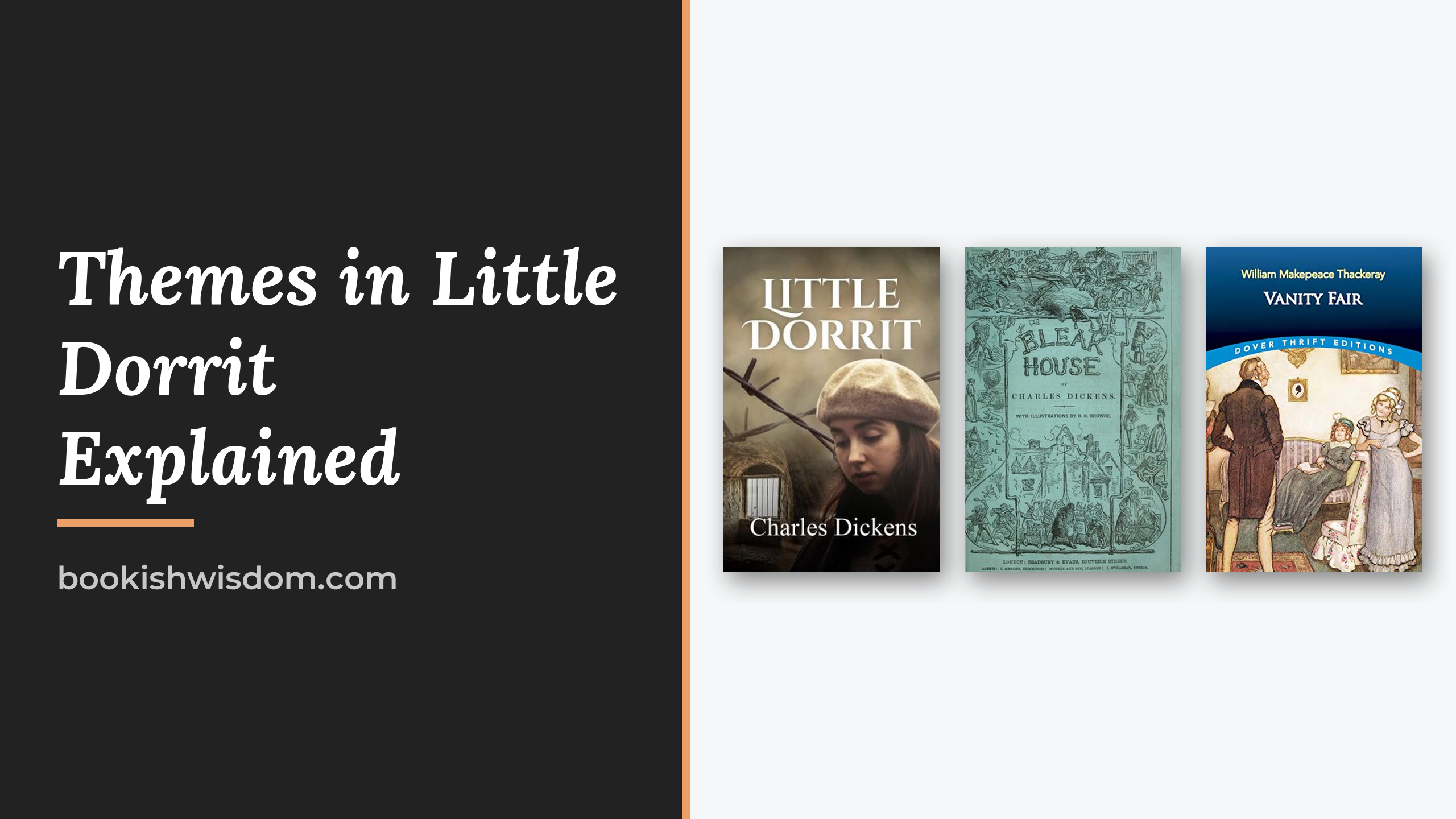
Amy Dorrit, called Little Dorrit, was born in the Marshalsea, a London debtors' prison where her father, William Dorrit, has lived for over twenty years. Gentle and hardworking, she cares for her proud, helpless father. Arthur Clennam, returning from China, suspects his mother owes the Dorrits a wrong. When the Dorrits suddenly inherit a fortune, they travel in Europe and are ashamed of their past. Later, Arthur is imprisoned for debt, and Little Dorrit cares for him.
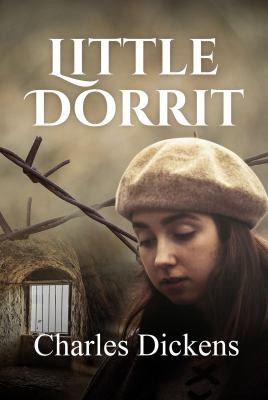
Check price of Little Dorrit on Amazon
The Main Themes in Little Dorrit
1. Imprisonment
Physical and mental prisons trap many characters. Dickens shows that wealth does not free people. Mrs. Clennam confines herself to one room, and Arthur feels trapped by guilt about his family's past.
Question to consider: Where in Little Dorrit does imprisonment matter most to the characters, and what does Charles Dickens want readers to think about it?
2. Wealth and society
The Dorrits' fortune brings pride and snobbery. Dickens satirizes greed and social climbing. Mr. Merdle's bank collapses, ruining thousands who trusted him, including Arthur.
Question to consider: Where in Little Dorrit does wealth and society matter most to the characters, and what does Charles Dickens want readers to think about it?
3. Bureaucracy
The Circumlocution Office blocks every effort with red tape. Its motto is 'How Not to Do It', and Dickens's satire still feels familiar to anyone who has fought with paperwork.
Question to consider: Where in Little Dorrit does bureaucracy matter most to the characters, and what does Charles Dickens want readers to think about it?
4. Duty and selflessness
Little Dorrit's devotion contrasts with others' selfishness. She asks nothing for herself and quietly supports her family, even when they are ashamed of her.
Question to consider: Where in Little Dorrit does duty and selflessness matter most to the characters, and what does Charles Dickens want readers to think about it?
5. The past
Secrets and guilt haunt the characters. Arthur suspects his family owes the Dorrits a debt, and the truth emerges only near the end.
Question to consider: Where in Little Dorrit does the past matter most to the characters, and what does Charles Dickens want readers to think about it?
Symbols and Motifs
- The Marshalsea. The prison symbolizes all forms of confinement.
- The Circumlocution Office. Represents useless bureaucracy.
- Merdle's fortune. Symbolizes false wealth and fraud.
- The Clennam house. Represents secrecy and decay.
How the Themes Connect
The themes connect through imprisonment in its many forms. Wealth, bureaucracy and the past trap people, while Little Dorrit's goodness offers freedom. Dickens's father was imprisoned in the Marshalsea for debt, which makes the novel personal. The 2008 BBC adaptation brought it new readers. Mr. Dorrit's breakdown at a grand dinner in Rome, where he believes he is back in the prison, is one of the most moving scenes Dickens wrote. The book is long, so readers often follow the Little Dorrit and Arthur Clennam story first and treat the side plots as background.
How to Write About the Themes of Little Dorrit
If you are writing an essay or preparing for class, these steps help:
- Pick one theme. A focused argument is stronger than a list of everything.
- Find evidence in the text. Point to specific scenes, characters and choices rather than general impressions.
- Explain, don't just describe. After each example, say what it shows about the theme.
- Connect to the ending. Ask how the final chapters resolve or complicate the theme.
- Consider other readings. A fair essay acknowledges that readers can disagree.
Discussion Questions
- Which of the themes above feels most relevant to your own life, and why?
- Do the characters in Little Dorrit handle imprisonment well or badly?
- How does the title relate to the themes of the book?
- Would the story change if it were set in a different time or place?
- What does Charles Dickens leave unresolved, and why might that be?
Books With Similar Themes
-
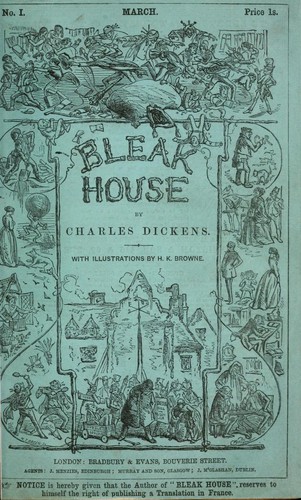
Bleak House by Charles Dickens
-
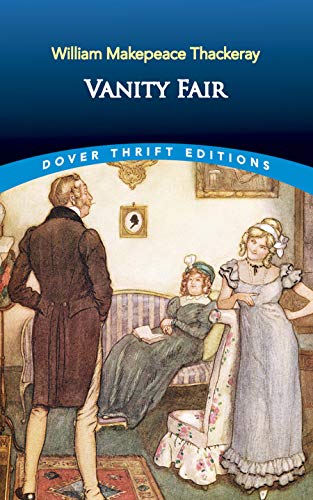
Vanity Fair by William Makepeace Thackeray
Related: Bleak House by Charles Dickens: Summary and Key Takeaways · Vanity Fair by William Makepeace Thackeray: Summary and Key Takeaways
Frequently Asked Questions
What is the main theme of Little Dorrit?
The central theme is imprisonment, supported by wealth and society and bureaucracy.
How many themes does Little Dorrit have?
This guide covers 5 main themes, but readers may find others.
Who wrote Little Dorrit?
Little Dorrit was written by Charles Dickens and first published in 1857.
Is Little Dorrit a good book for studying themes?
Yes. Its themes are clear enough to follow and rich enough to support essays and group discussion.
What should I read after Little Dorrit?
Try Bleak House by Charles Dickens or Vanity Fair by William Makepeace Thackeray.