
Disclosure: As an Amazon Associate, Bookish Wisdom earns from qualifying purchases. This doesn't change our picks or your price.
Spoiler warning: this analysis discusses the whole book, including the ending of The Jungle.
Quick answer: The main themes in The Jungle by Upton Sinclair are exploitation of workers, the failure of the American Dream, corruption, family and survival and socialism and hope. Each is explained below with what it means, how it develops in the story and questions you can use for study or discussion.
Quick facts
- Book: The Jungle by Upton Sinclair
- First published: 1906
- Main themes: exploitation of workers, the failure of the American Dream, corruption, family and survival and socialism and hope
Table of Contents
About The Jungle
Jurgis Rudkus, a strong young Lithuanian immigrant, arrives in Chicago with his family hoping to find the American Dream in the city's huge meatpacking yards, known as Packingtown. Instead they face dangerous jobs, cheating landlords, disease and crushing debt. Jurgis is injured, jailed and loses his wife and son. Drifting through the city as a tramp, criminal and political helper, he finally hears a socialist speaker and finds hope in the idea of workers uniting for better lives.
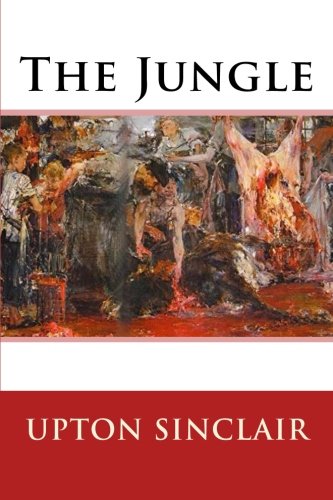
Check price of The Jungle on Amazon
The Main Themes in The Jungle
1. Exploitation of workers
The meatpacking companies treat workers like the animals they slaughter. Men lose fingers, fall into vats and are thrown out when injured. Sinclair shows a system designed to use up people and replace them.
Question to consider: Where in The Jungle does exploitation of workers matter most to the characters, and what does Upton Sinclair want readers to think about it?
2. The failure of the American Dream
Jurgis believes hard work will bring success, repeating 'I will work harder' after every setback. The novel shows that effort alone cannot beat an unfair system.
Question to consider: Where in The Jungle does the failure of the American Dream matter most to the characters, and what does Upton Sinclair want readers to think about it?
3. Corruption
Bosses, politicians, police and landlords all cheat the poor. Bribery and fraud touch every part of Chicago life, leaving immigrants with nowhere to turn.
Question to consider: Where in The Jungle does corruption matter most to the characters, and what does Upton Sinclair want readers to think about it?
4. Family and survival
The Rudkus family works together to survive, even sending children to work. As poverty grinds them down, family bonds strain and break.
Question to consider: Where in The Jungle does family and survival matter most to the characters, and what does Upton Sinclair want readers to think about it?
5. Socialism and hope
In the final chapters, Jurgis discovers socialism and sees a way to change the system. Sinclair, a socialist himself, presents it as the answer to the misery he describes.
Question to consider: Where in The Jungle does socialism and hope matter most to the characters, and what does Upton Sinclair want readers to think about it?
Symbols and Motifs
- The stockyards. The vast, stinking yards stand for an industrial machine that consumes human beings.
- The house. The family's house, bought through a deceptive contract, symbolizes the false promises of the American Dream.
- The meat. Diseased, rotting meat sold to the public represents the corruption hidden behind products.
- The jungle. The title suggests a world where only the strongest survive and the weak are devoured.
How the Themes Connect
The themes connect through Jurgis's journey from hope to despair to political awakening. Exploitation and corruption destroy his family, proving that individual effort is not enough. The novel caused public outrage about food safety and helped lead to the Pure Food and Drug Act and Meat Inspection Act of 1906, though Sinclair said he aimed at the public's heart and hit its stomach.
How to Write About the Themes of The Jungle
If you are writing an essay or preparing for class, these steps help:
- Pick one theme. A focused argument is stronger than a list of everything.
- Find evidence in the text. Point to specific scenes, characters and choices rather than general impressions.
- Explain, don't just describe. After each example, say what it shows about the theme.
- Connect to the ending. Ask how the final chapters resolve or complicate the theme.
- Consider other readings. A fair essay acknowledges that readers can disagree.
Discussion Questions
- Which of the themes above feels most relevant to your own life, and why?
- Do the characters in The Jungle handle exploitation of workers well or badly?
- How does the title relate to the themes of the book?
- Would the story change if it were set in a different time or place?
- What does Upton Sinclair leave unresolved, and why might that be?
Books With Similar Themes
-
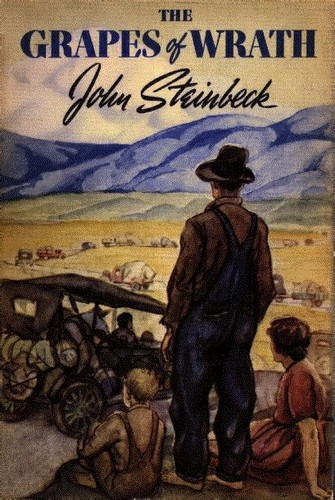
The Grapes of Wrath by John Steinbeck
-
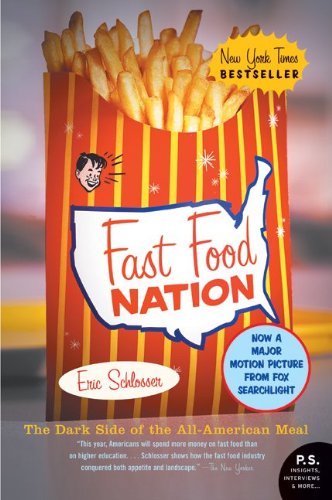
Fast Food Nation by Eric Schlosser
Related: The Jungle by Upton Sinclair: Summary and Key Takeaways · 15 Books Like The Jungle You’ll Love
Frequently Asked Questions
What is the main theme of The Jungle?
The central theme is exploitation of workers, supported by the failure of the American Dream and corruption.
How many themes does The Jungle have?
This guide covers 5 main themes, but readers may find others.
Who wrote The Jungle?
The Jungle was written by Upton Sinclair and first published in 1906.
Is The Jungle a good book for studying themes?
Yes. Its themes are clear enough to follow and rich enough to support essays and group discussion.
What should I read after The Jungle?
Try The Grapes of Wrath by John Steinbeck or Fast Food Nation by Eric Schlosser.