Themes in The Thirty-Nine Steps Explained
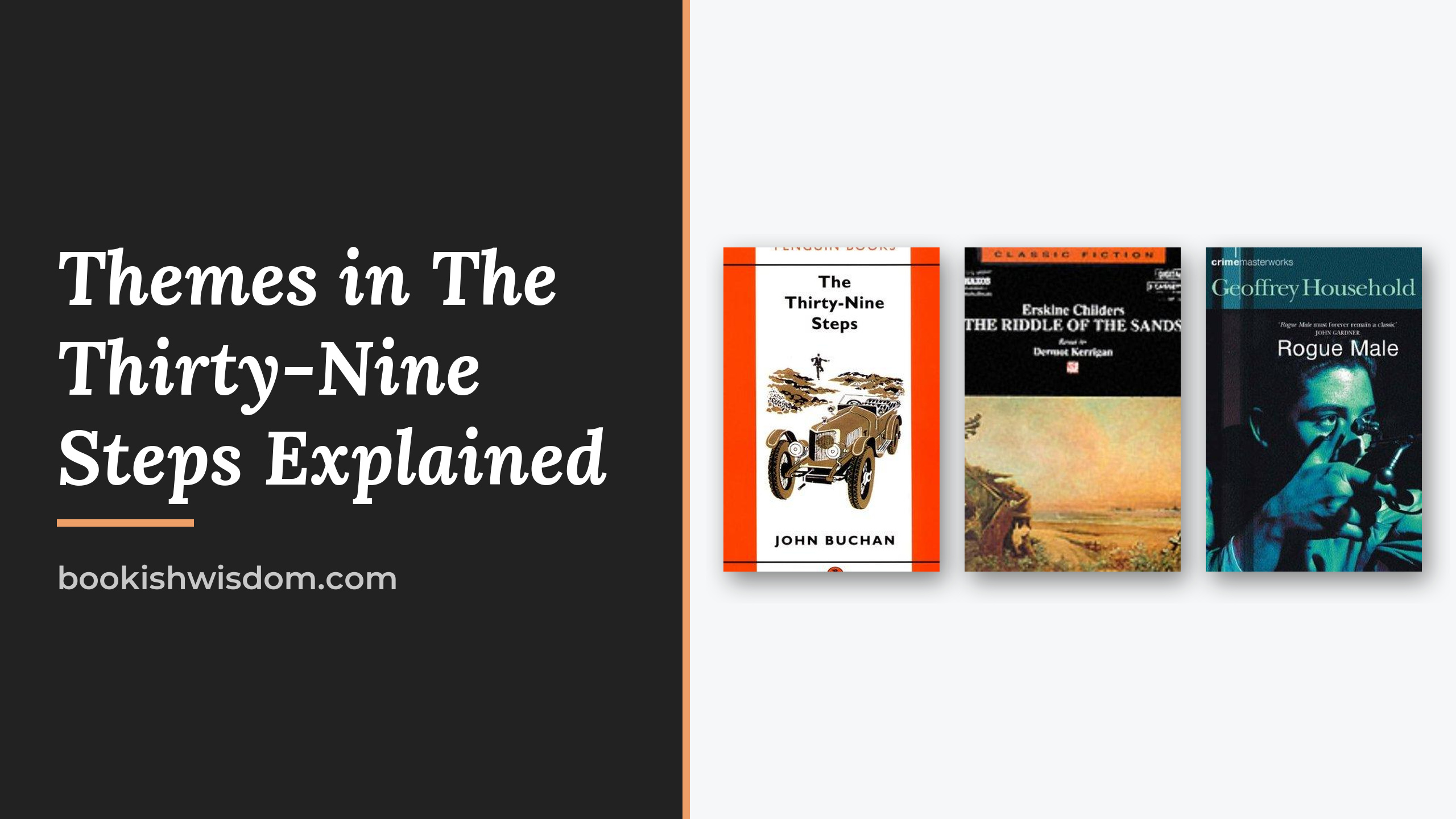
The main themes in The Thirty-Nine Steps by John Buchan are the ordinary hero, identity and disguise, the chase, patriotism and duty and the wilderness.

The main themes in The Thirty-Nine Steps by John Buchan are the ordinary hero, identity and disguise, the chase, patriotism and duty and the wilderness.
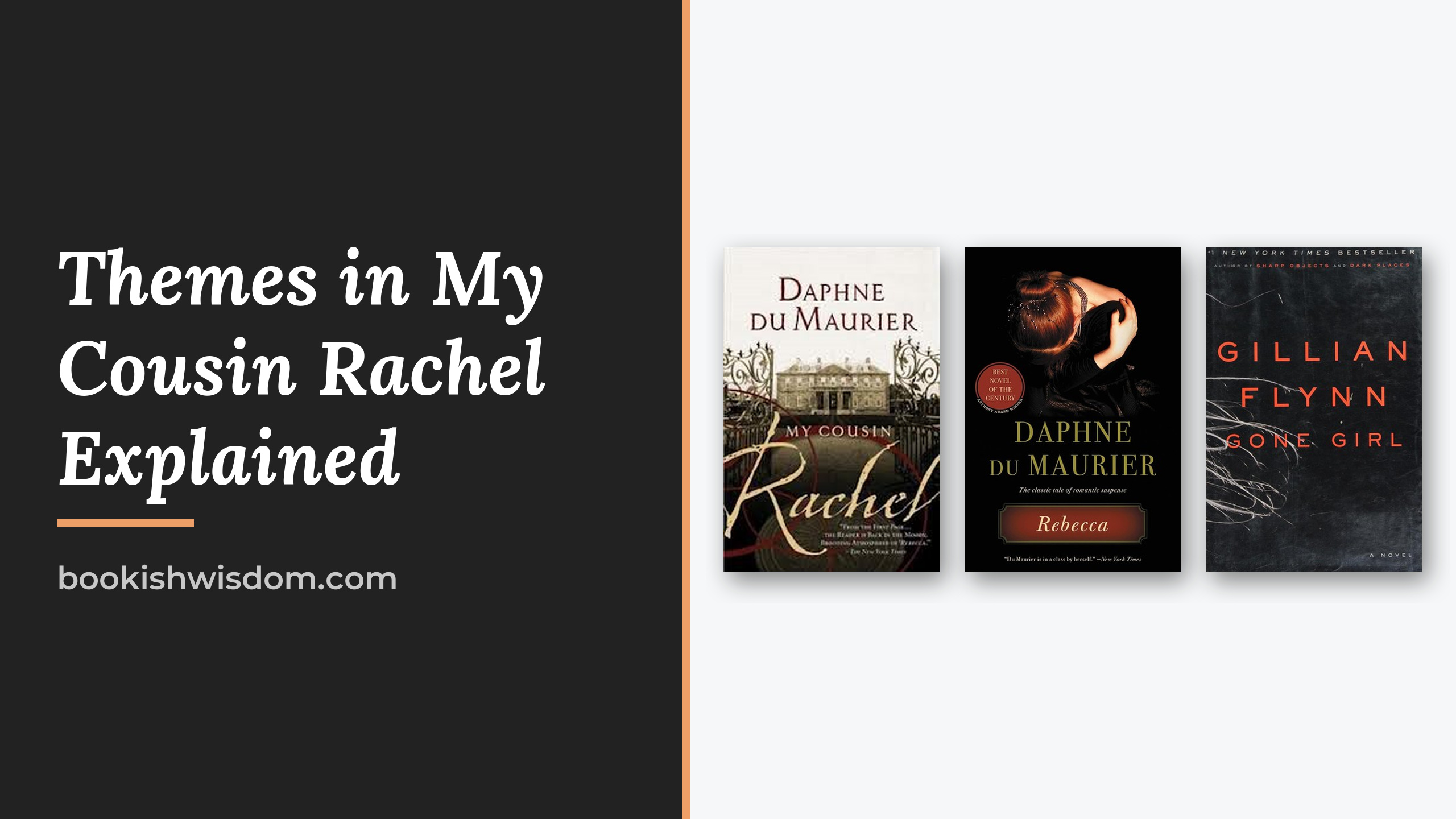
The main themes in My Cousin Rachel by Daphne du Maurier are suspicion and uncertainty, obsession, gender and power, innocence and inexperience and inheritance.
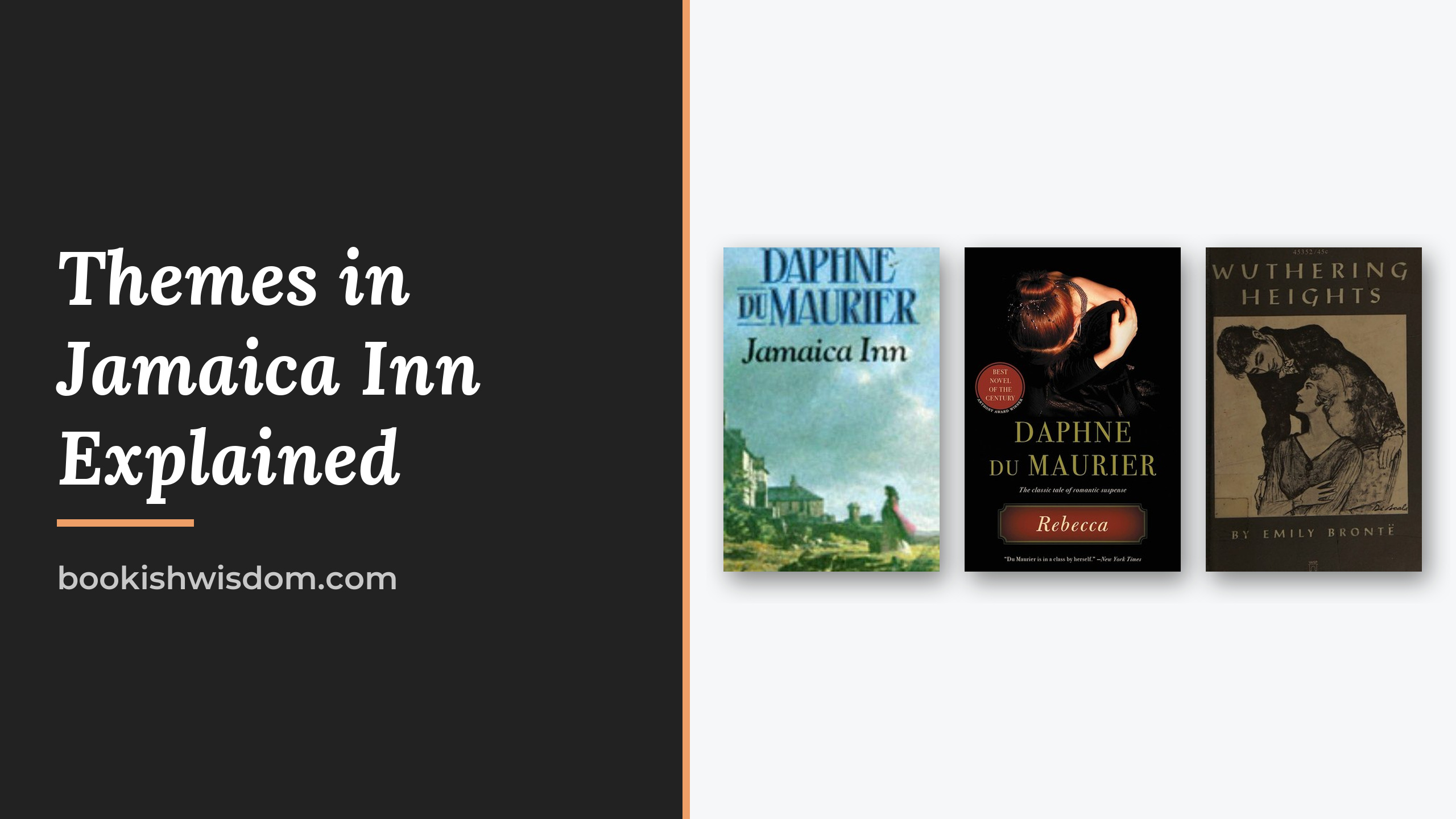
The main themes in Jamaica Inn by Daphne du Maurier are courage and independence, violence and cruelty, appearances and deception, love and desire and place and isolation.
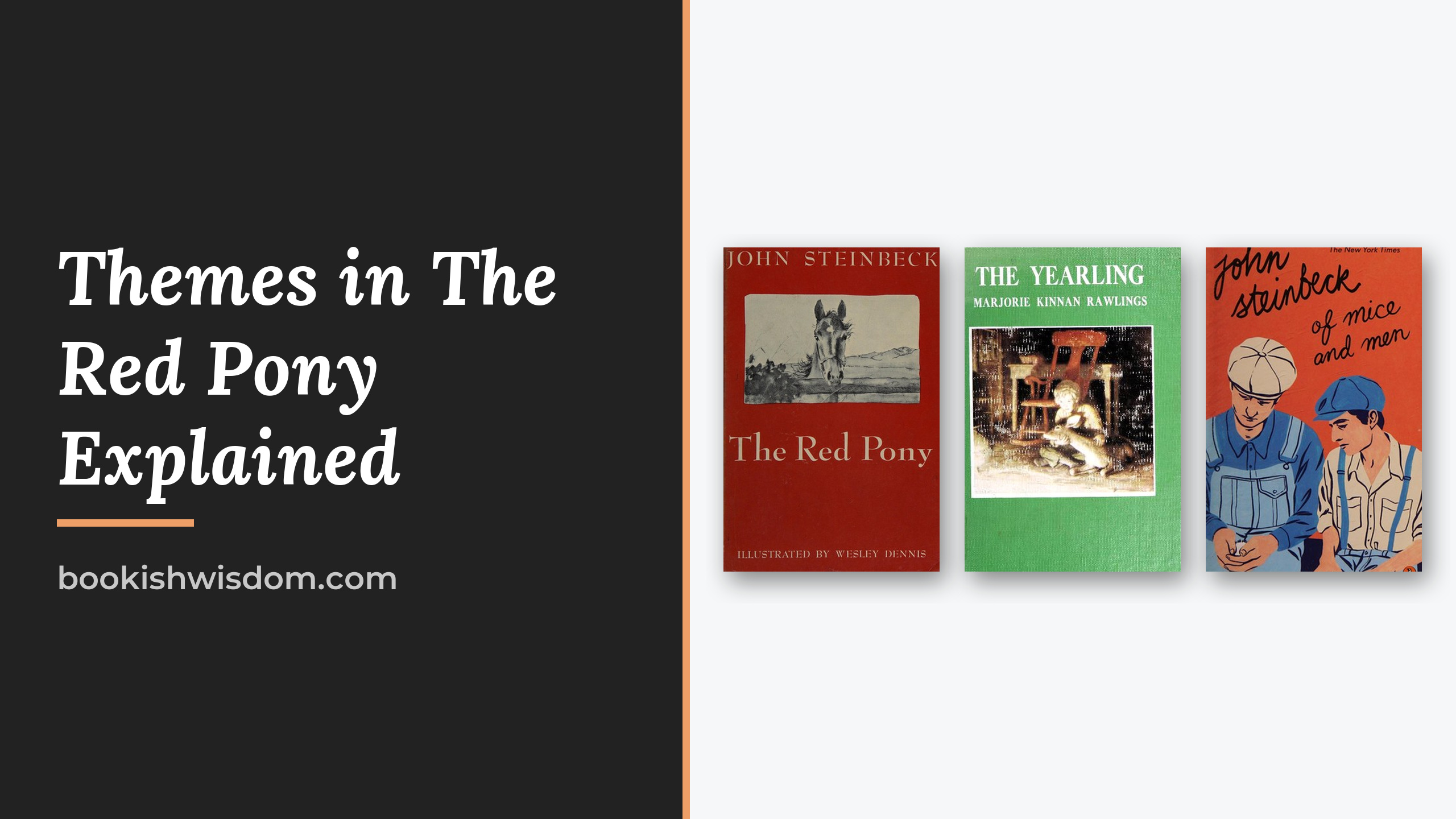
The main themes in The Red Pony by John Steinbeck are growing up, life and death, trust and failure, the end of the frontier and nature’s indifference.
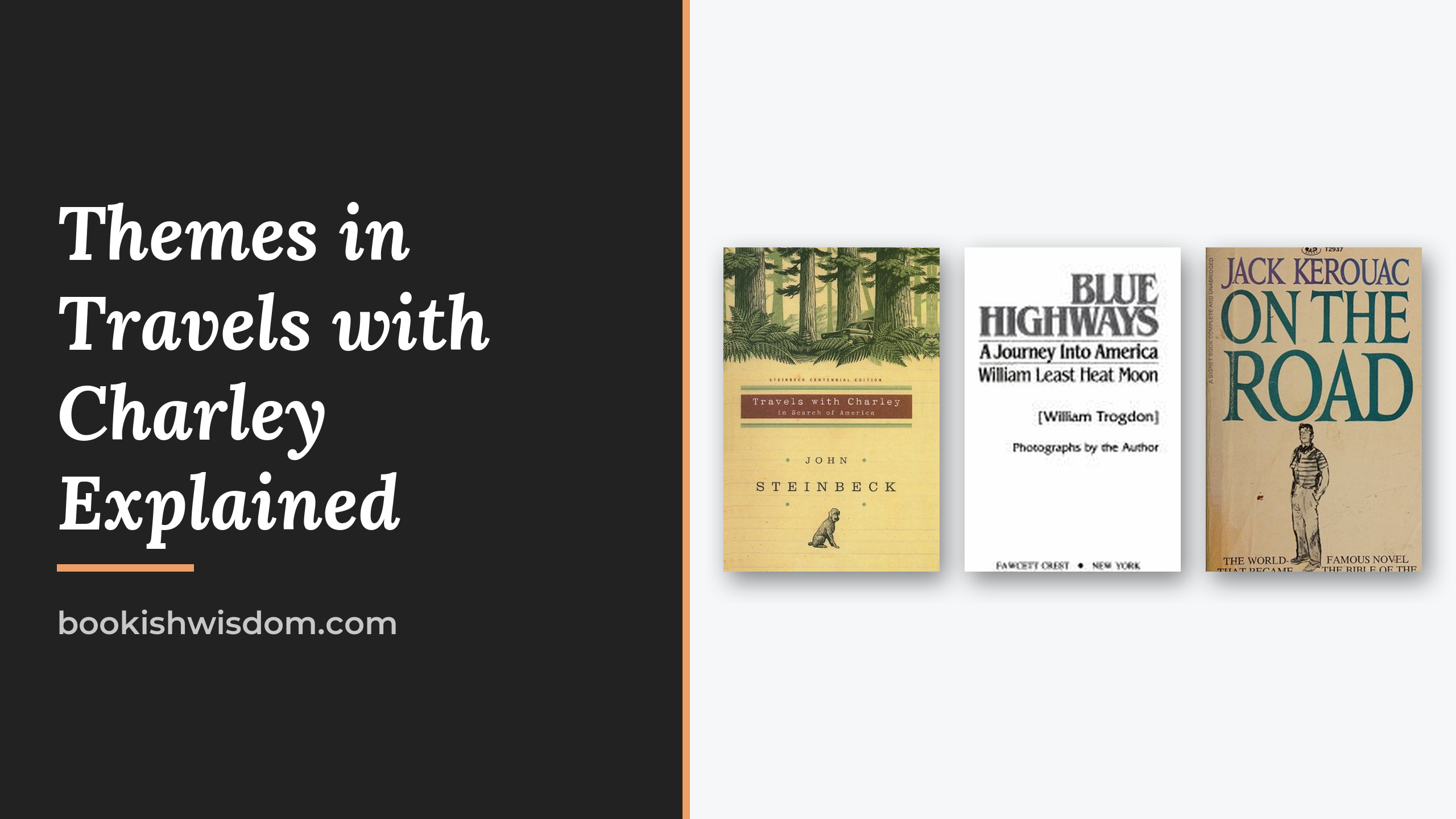
The main themes in Travels with Charley by John Steinbeck are rediscovering America, change and loss, loneliness and companionship, race and injustice and aging.
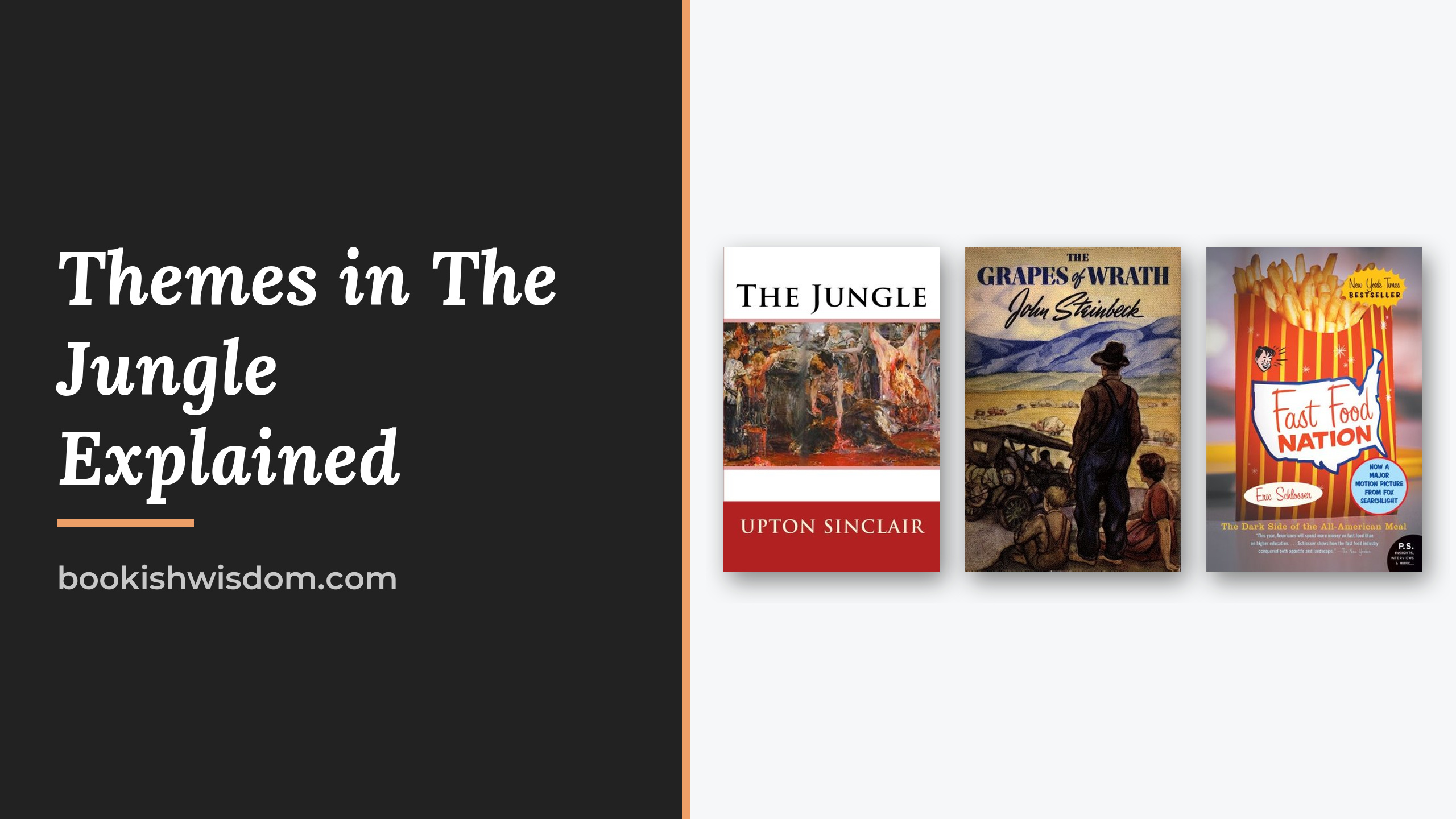
The main themes in The Jungle by Upton Sinclair are exploitation of workers, the failure of the American Dream, corruption, family and survival and socialism and hope.
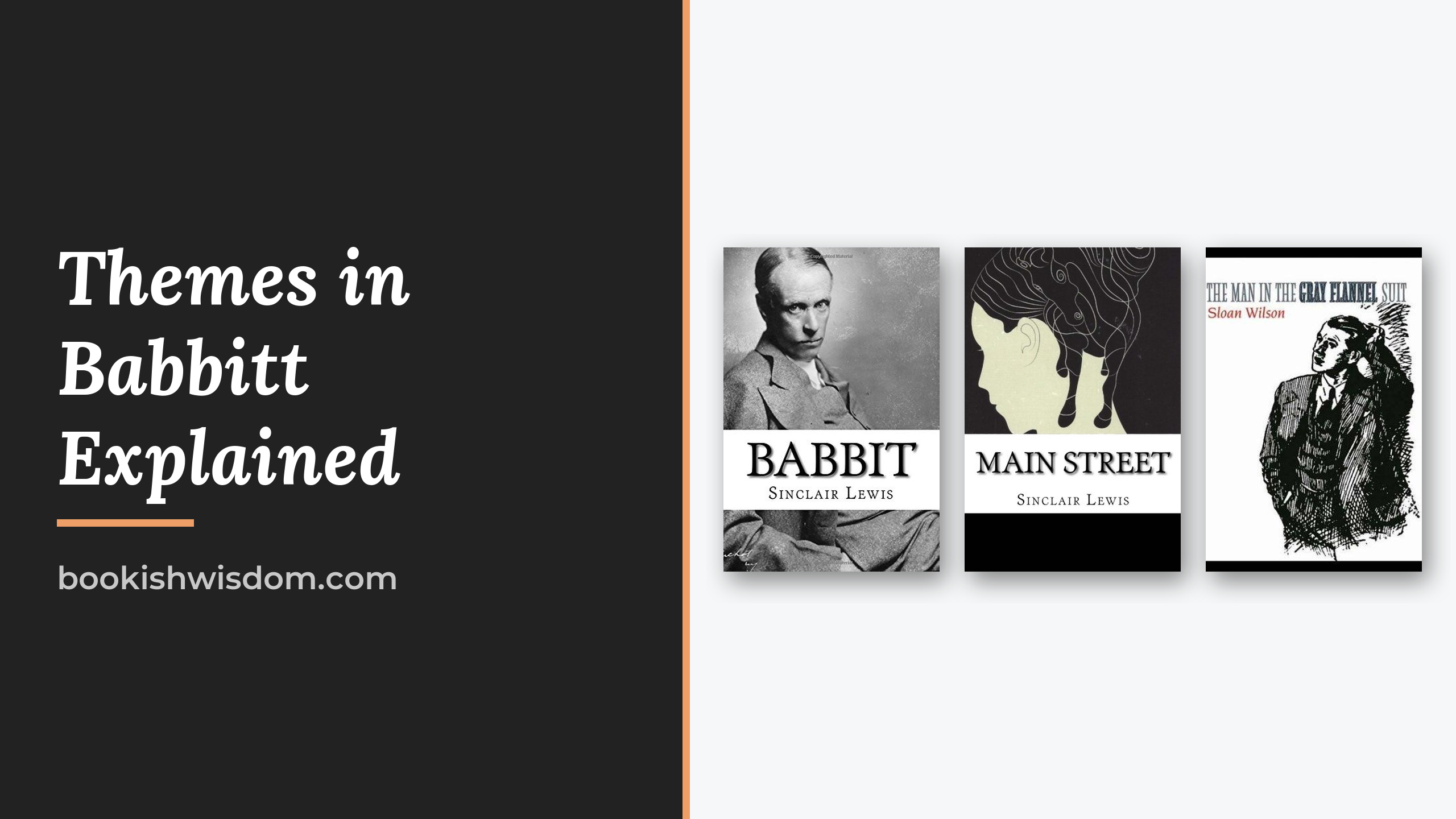
The main themes in Babbitt by Sinclair Lewis are conformity and peer pressure, materialism, the emptiness of success, friendship and fathers and sons.
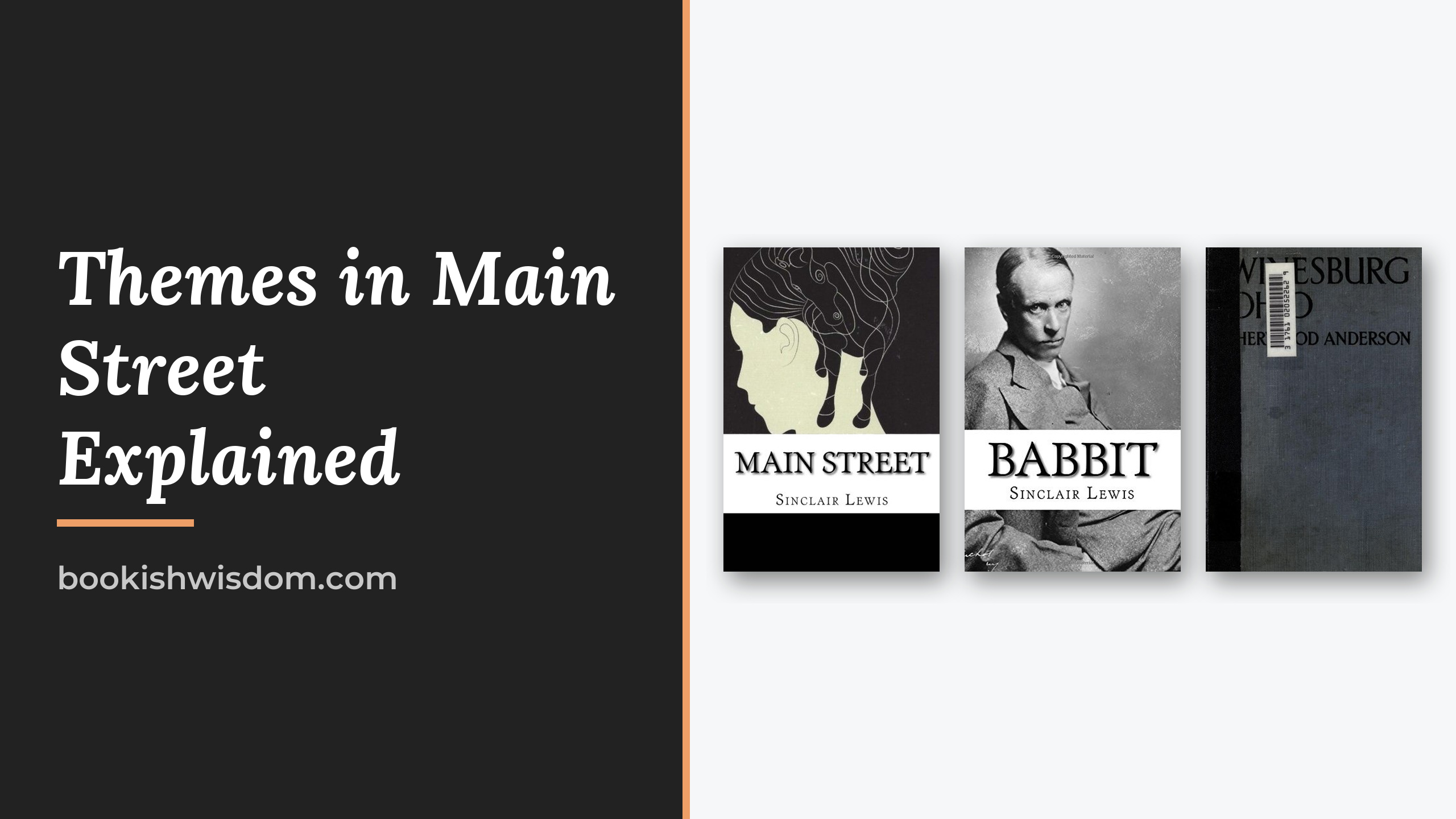
The main themes in Main Street by Sinclair Lewis are small-town conformity, idealism versus reality, the role of women, marriage and compromise and American self-satisfaction.
The main characters in Twenty Thousand Leagues Under the Seas by Jules Verne are Professor Pierre Aronnax, Conseil, Ned Land and Captain Nemo.
The main characters in Our Mutual Friend by Charles Dickens are John Harmon (John Rokesmith), Bella Wilfer, Mr Boffin and Mrs Boffin.