Themes in Saturday Explained
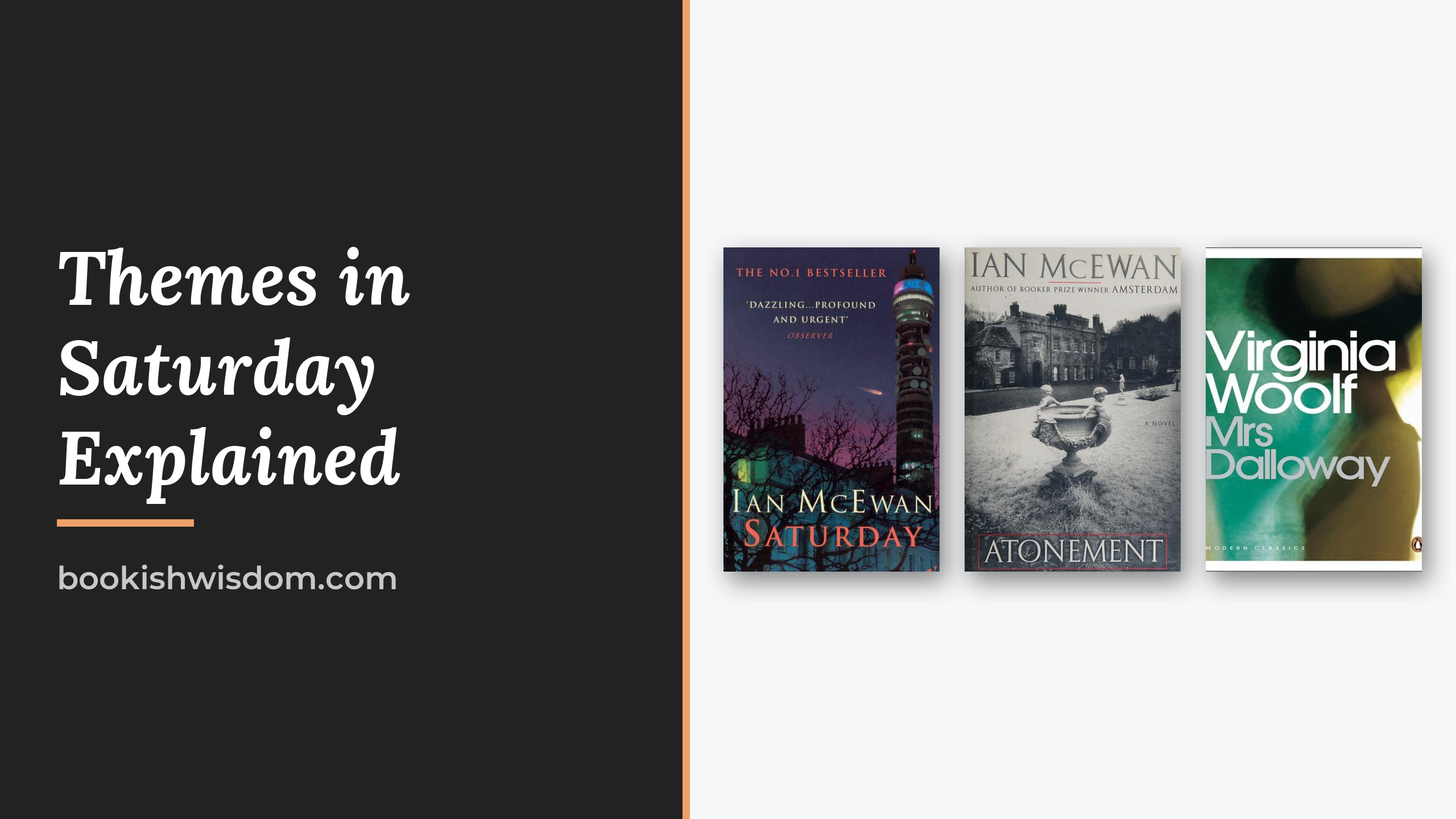
The main themes in Saturday by Ian McEwan are fear and security, science and art, chance and consequence, class and privilege and family.

The main themes in Saturday by Ian McEwan are fear and security, science and art, chance and consequence, class and privilege and family.
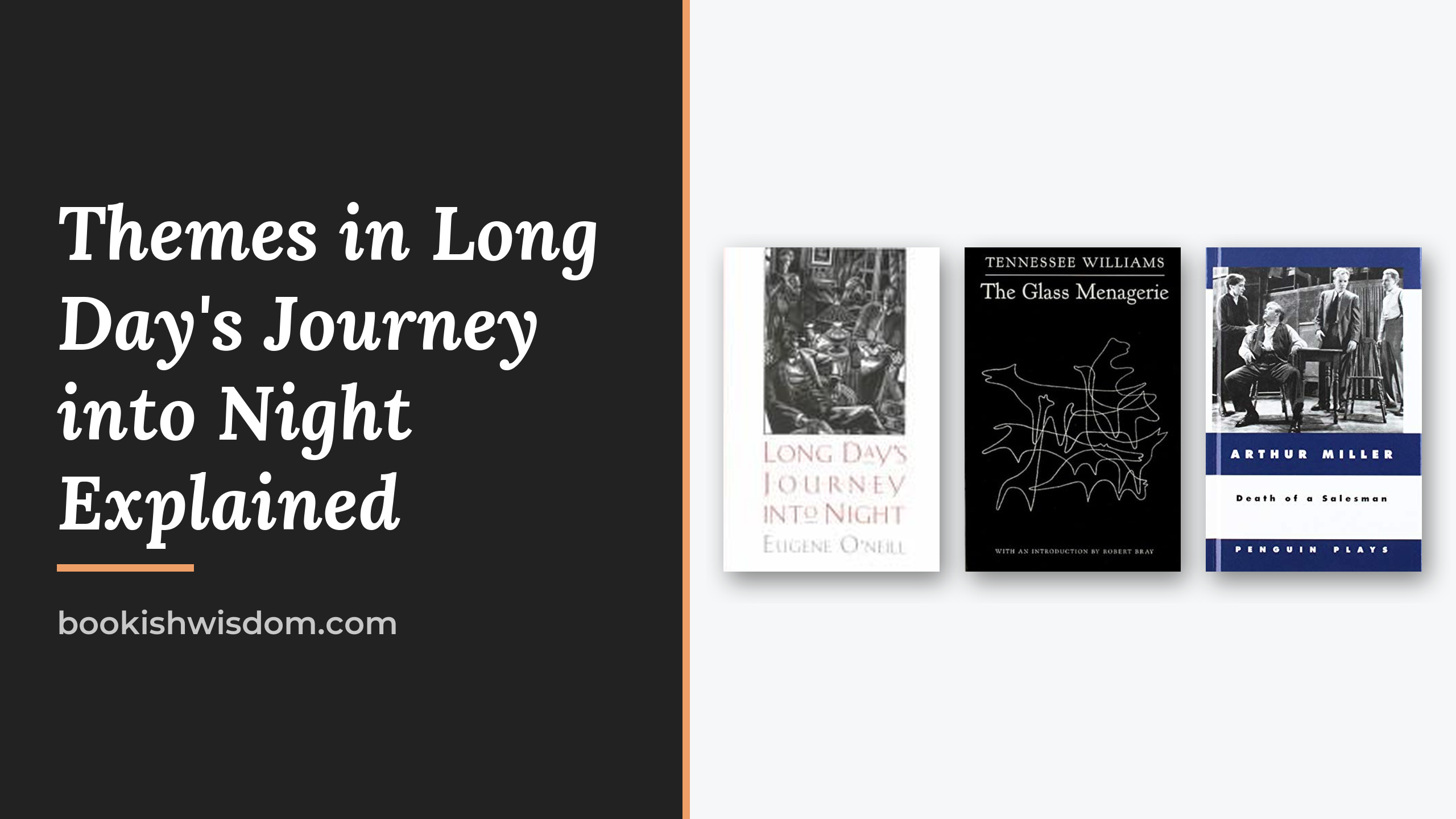
The main themes in Long Day’s Journey into Night by Eugene O’Neill are addiction, family love and blame, the past, denial and money and fear.
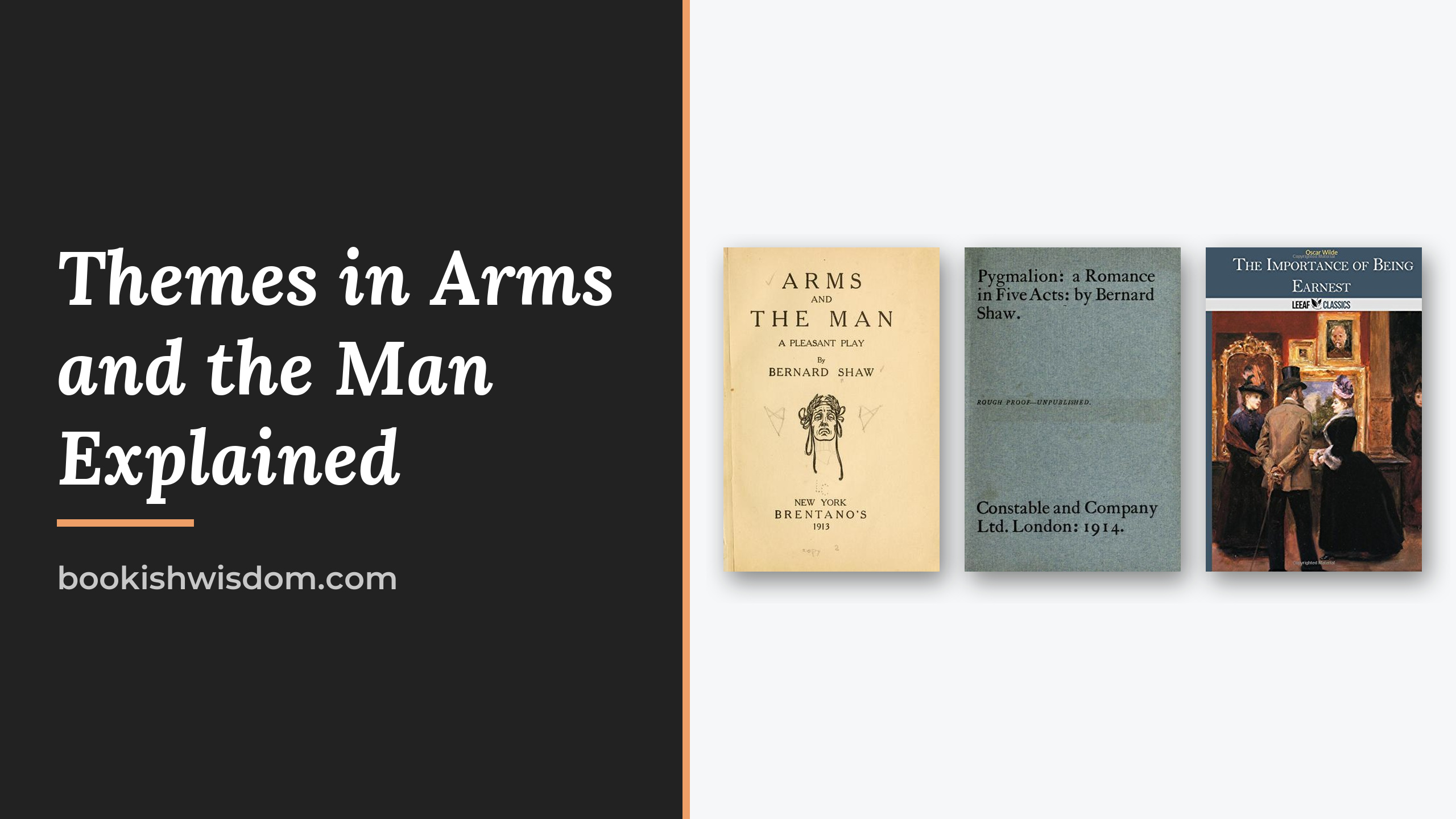
The main themes in Arms and the Man by George Bernard Shaw are romantic ideals versus reality, the reality of war, class and ambition, honesty and pretense and love.
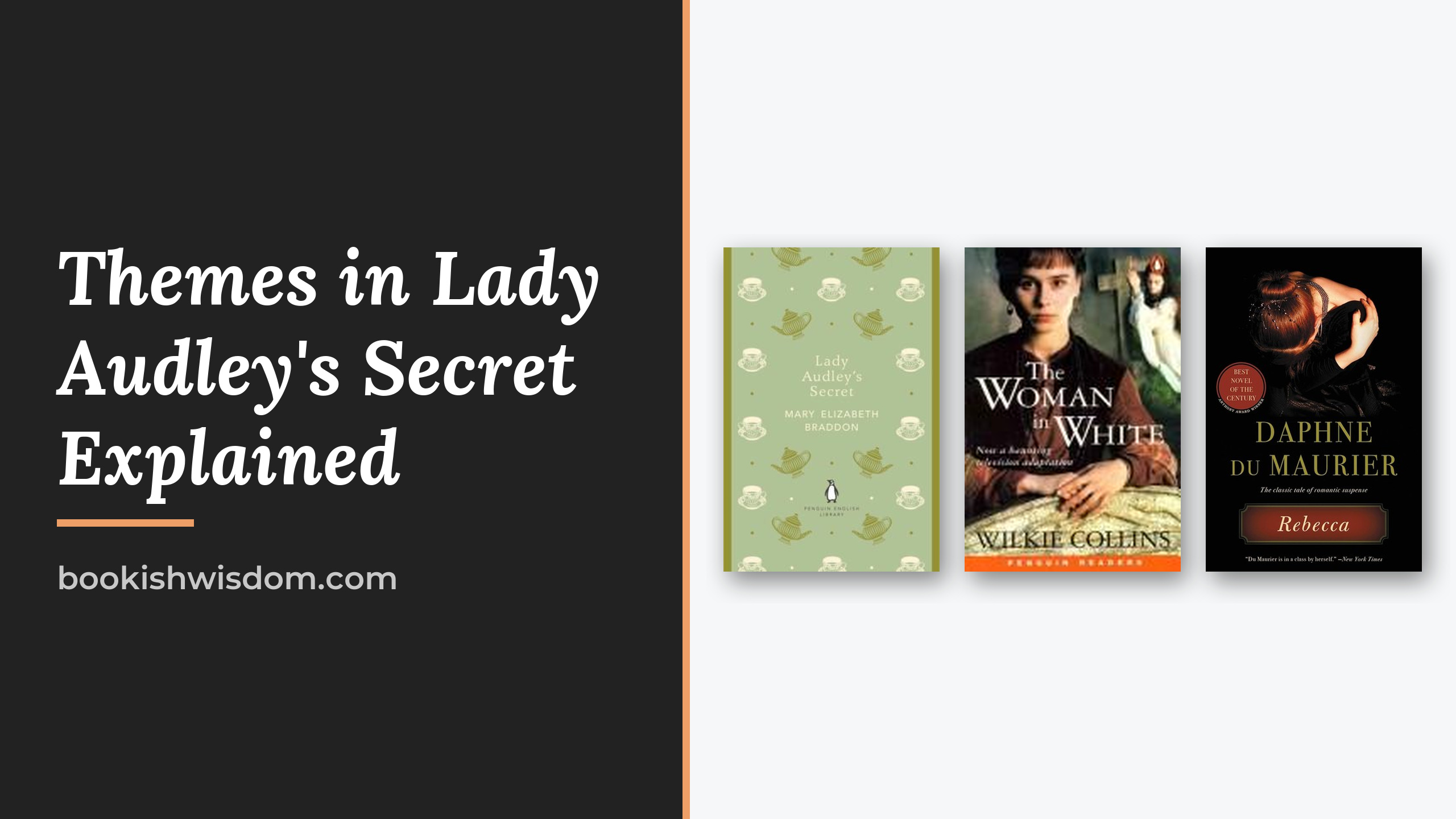
The main themes in Lady Audley’s Secret by Mary Elizabeth Braddon are appearance versus reality, women and power, madness, detection and class and money.
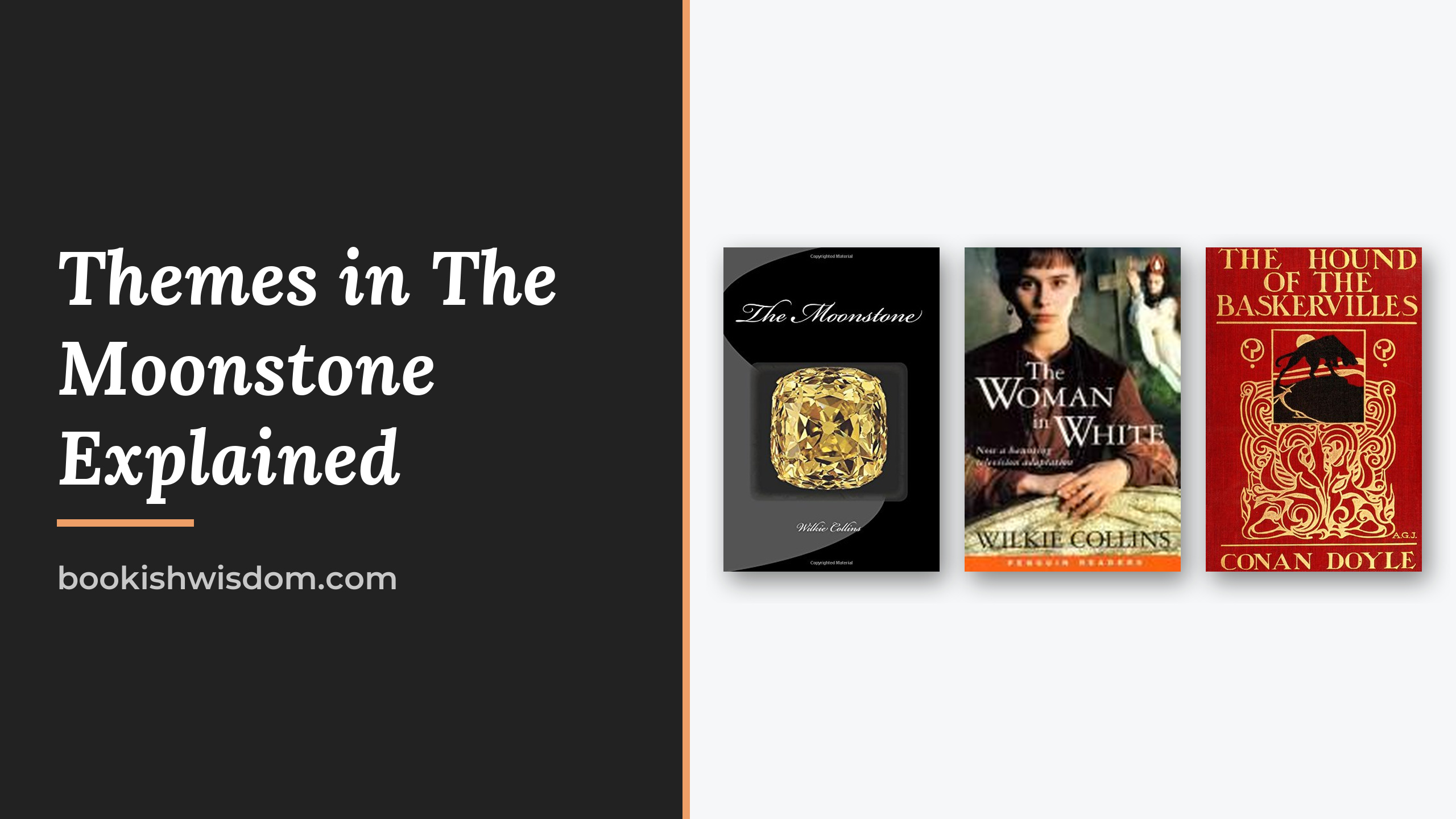
The main themes in The Moonstone by Wilkie Collins are guilt and responsibility, truth and perspective, class, science and the mind and love and trust.
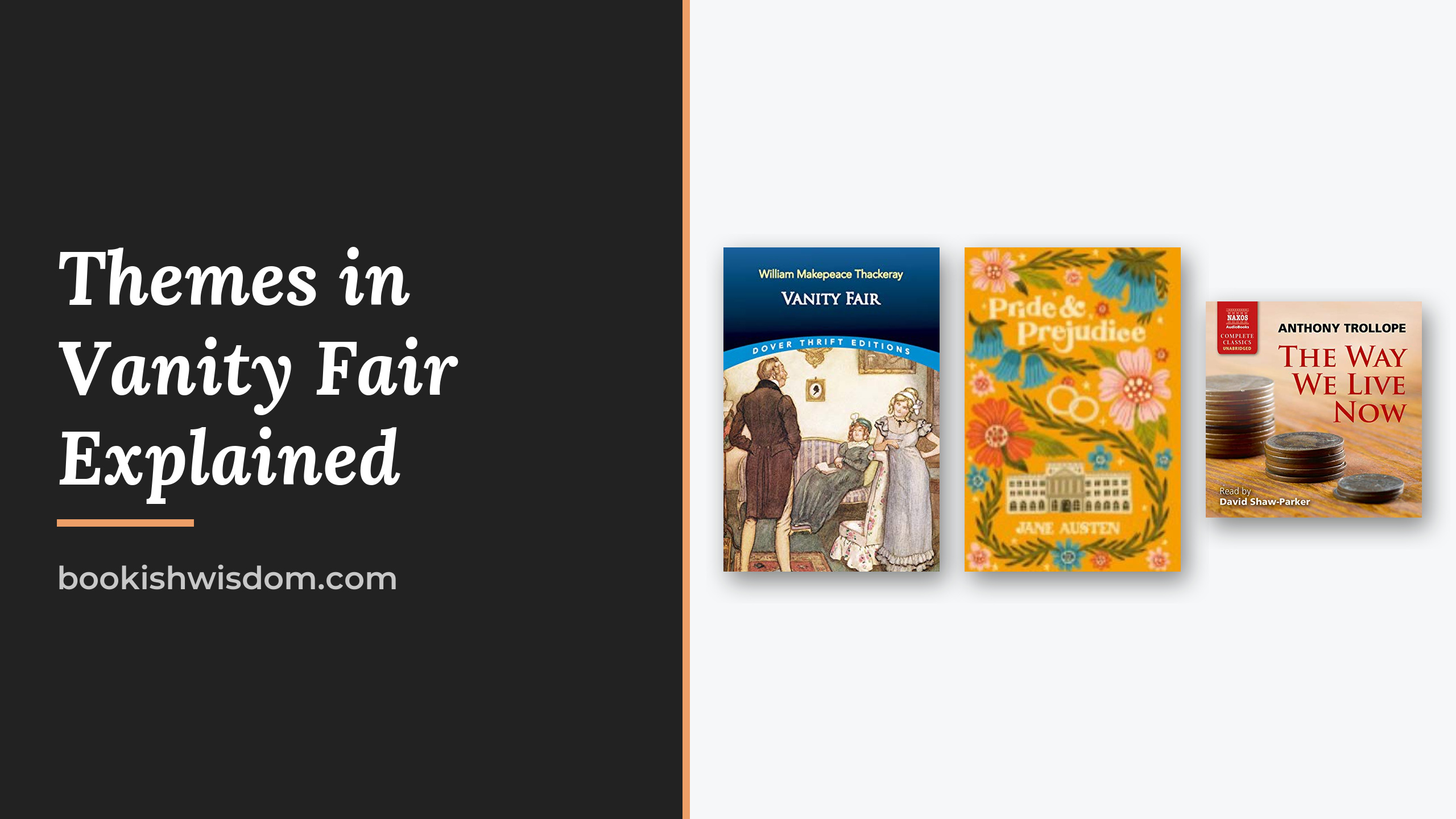
The main themes in Vanity Fair by William Makepeace Thackeray are social ambition, money and class, hypocrisy, love and devotion and the absence of heroes.
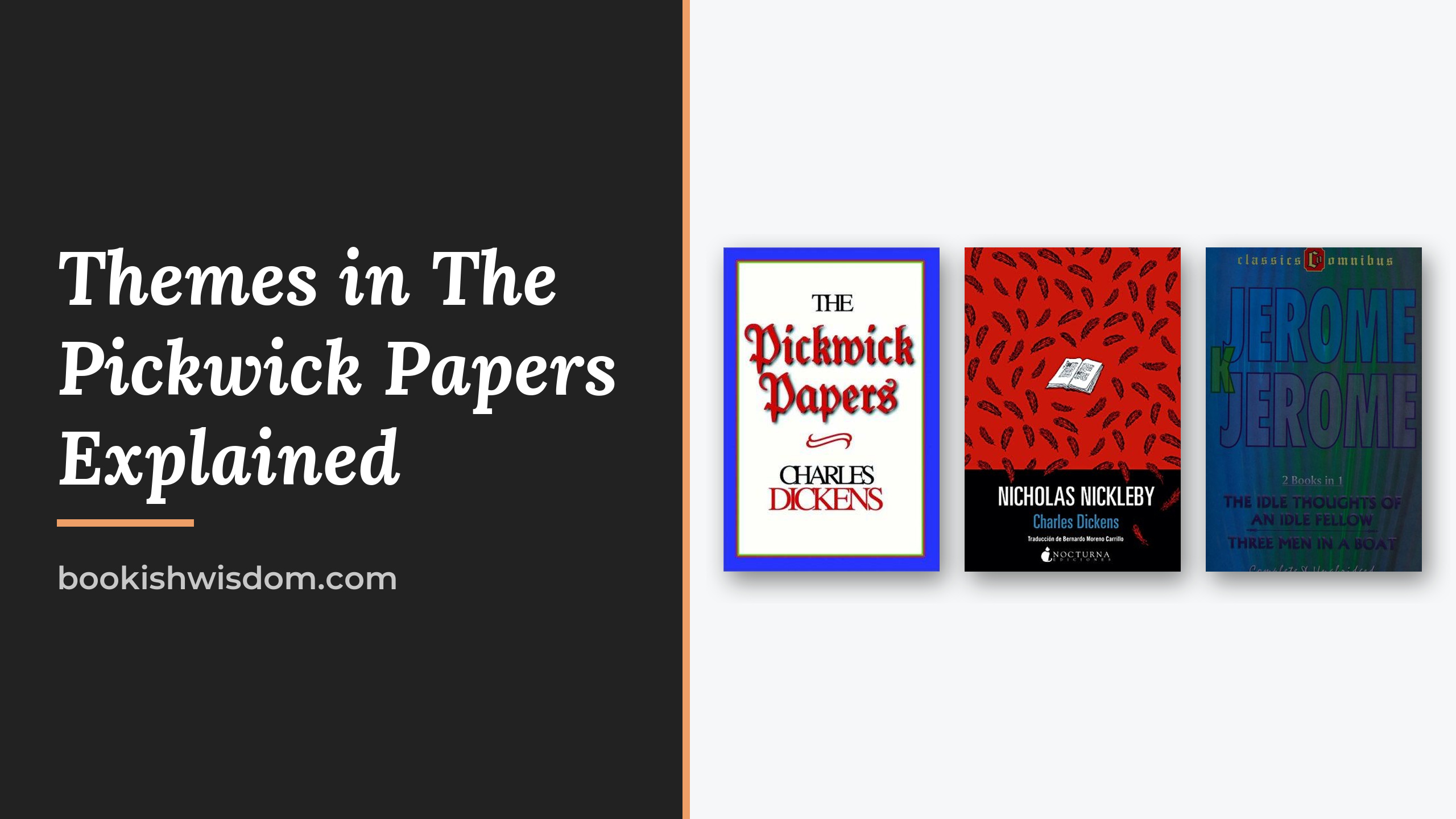
The main themes in The Pickwick Papers by Charles Dickens are innocence and experience, friendship and loyalty, the law and injustice, comedy and good humor and prison and suffering.
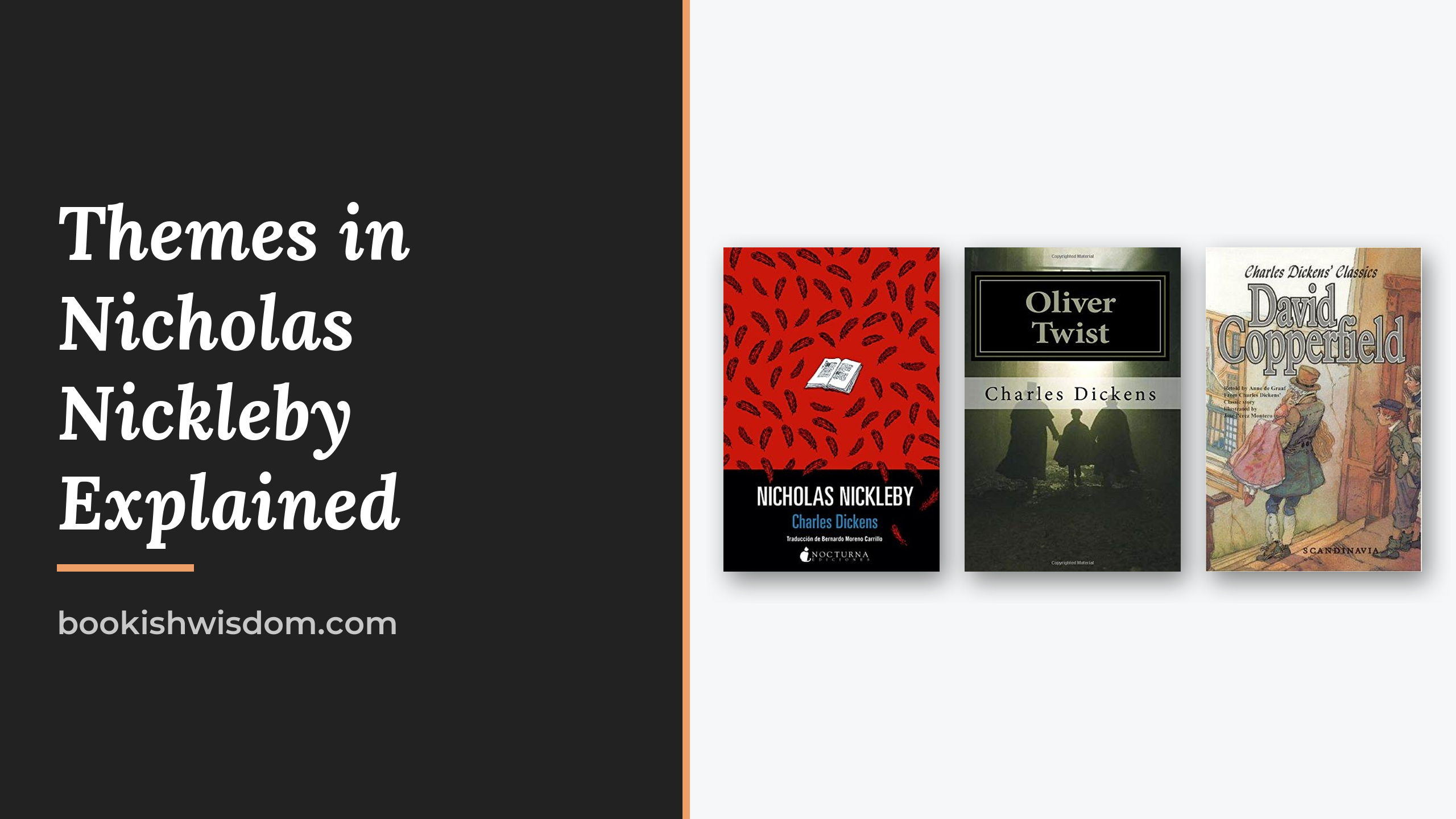
The main themes in Nicholas Nickleby by Charles Dickens are cruelty and abuse of children, greed versus generosity, family loyalty, courage and justice and friendship.
The main themes in Little Dorrit by Charles Dickens are imprisonment, wealth and society, bureaucracy, duty and selflessness and the past.
The main themes in Bleak House by Charles Dickens are the law and injustice, secrets, social responsibility, poverty and identity.